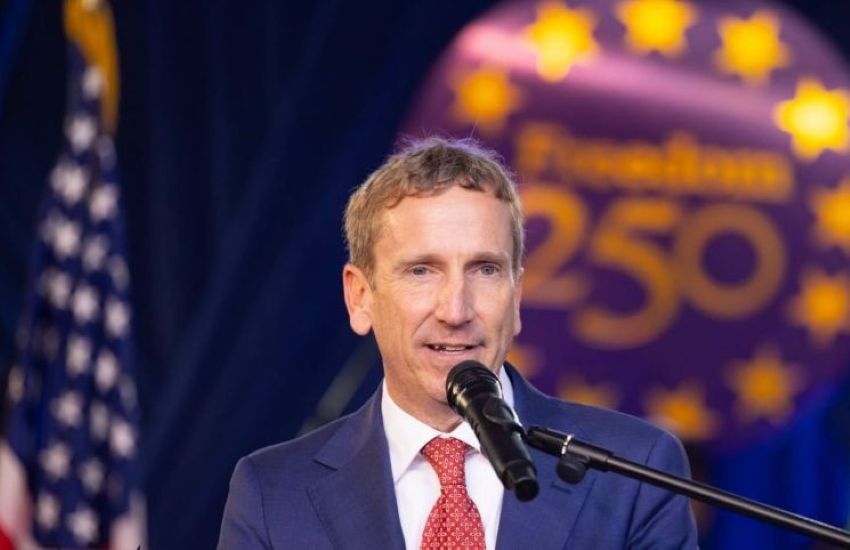
US to restore ambassadorial presence in Libreville with Keith Heffern
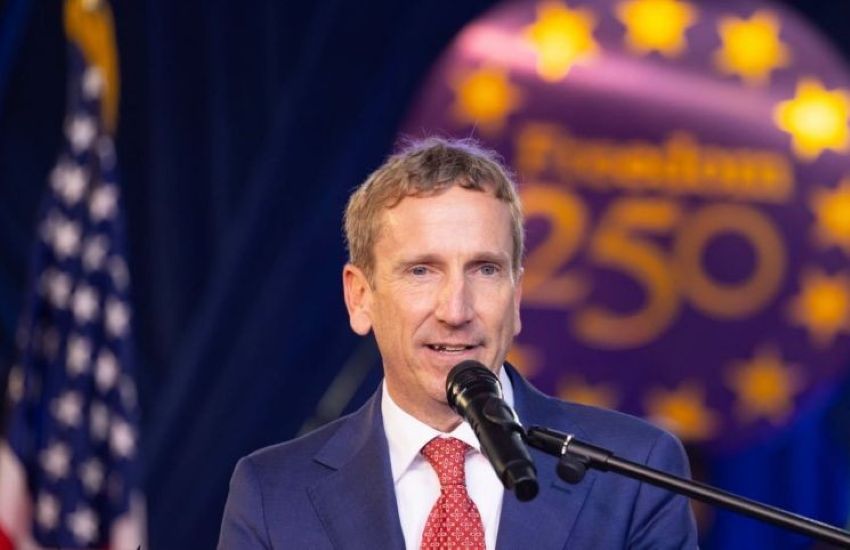
Libreville, August 13, 2026 — The United States has nominated career diplomat Keith Heffern to serve as its ambassador to Gabon, marking a potential turning point in Washington’s African diplomatic strategy under President Donald Trump.
The nomination, submitted to the U.S. Senate on August 7, 2026, follows months of diplomatic uncertainty in Libreville. If confirmed, Heffern would replace the current chargé d’affaires, Susan N’Garnim, who has led the U.S. mission since January 2026. His appointment would bring an end to a prolonged period without a permanent ambassador, signaling a commitment to strengthening bilateral ties.
Heffern’s extensive background in the Senior Foreign Service, where he holds the rank of minister-counselor, suggests a deep familiarity with Gabon’s political and economic landscape. His prior diplomatic engagements in the region imply that his arrival could accelerate high-level discussions between Washington and Libreville, particularly as both nations seek to deepen cooperation.
Washington’s strategic shift in African diplomacy
The nomination of Keith Heffern is part of a broader push by the Trump administration to revitalize U.S. diplomatic representation across Africa. Similar appointments have been proposed for other African capitals, including Chad, Madagascar, the Comoros, Togo, Mauritania, Benin, Malawi, and Cape Verde. These moves reflect a deliberate preference for career diplomats over politically appointed envoys, emphasizing continuity and institutional expertise.
For Gabon, this timing is significant. The U.S. recalled its ambassador earlier this year, leaving the embassy operating under temporary leadership. A permanent ambassador would not only restore formal diplomatic channels but also underscore the importance of Gabon in Washington’s wider African strategy.
Libreville’s growing strategic importance
Gabon’s economic and geopolitical significance makes it a key player in Central Africa. Rich in mineral, forestry, and energy resources, the country occupies a pivotal position in the Congo Basin and along the Gulf of Guinea. The U.S. has long viewed Gabon as a partner in regional security, particularly in combating maritime piracy and wildlife trafficking.
A major development in May 2026 saw President Trump reinstate Gabon’s eligibility for the African Growth and Opportunity Act (AGOA), reversing a previous decision. This trade-related gesture adds economic weight to the evolving relationship, aligning with Gabon’s efforts to diversify partnerships and attract foreign investment.
Washington’s renewed focus on Libreville comes as global powers—including China, Russia, and Turkey—intensify their engagement in Africa. The potential appointment of Heffern could be interpreted as a strategic move to counterbalance rising influence from these competitors while reinforcing U.S. economic and security interests in the region.
Senate confirmation looms as next hurdle
The path to Heffern’s ambassadorship is not yet guaranteed. Before he can assume the role, the U.S. Senate must review and approve his nomination—a process that could face delays or objections. Until then, he remains a designated candidate rather than an active ambassador.
Yet the nomination itself sends a clear message. By selecting a career diplomat with deep regional experience, Washington appears to prioritize stability and operational efficiency in its Gabonese mission. If confirmed, Heffern would return to a country he is already familiar with, but one where the stakes have never been higher.
For Gabon, the stakes are equally high. The resumption of full diplomatic relations could translate into tangible benefits: expanded trade, enhanced security cooperation, environmental initiatives, and deeper institutional ties. The challenge will be turning diplomatic momentum into concrete progress in a rapidly shifting geopolitical landscape.