Wadagni’s gisozi stop sparks debate: what the Rwanda visit means for Benin’s future ties
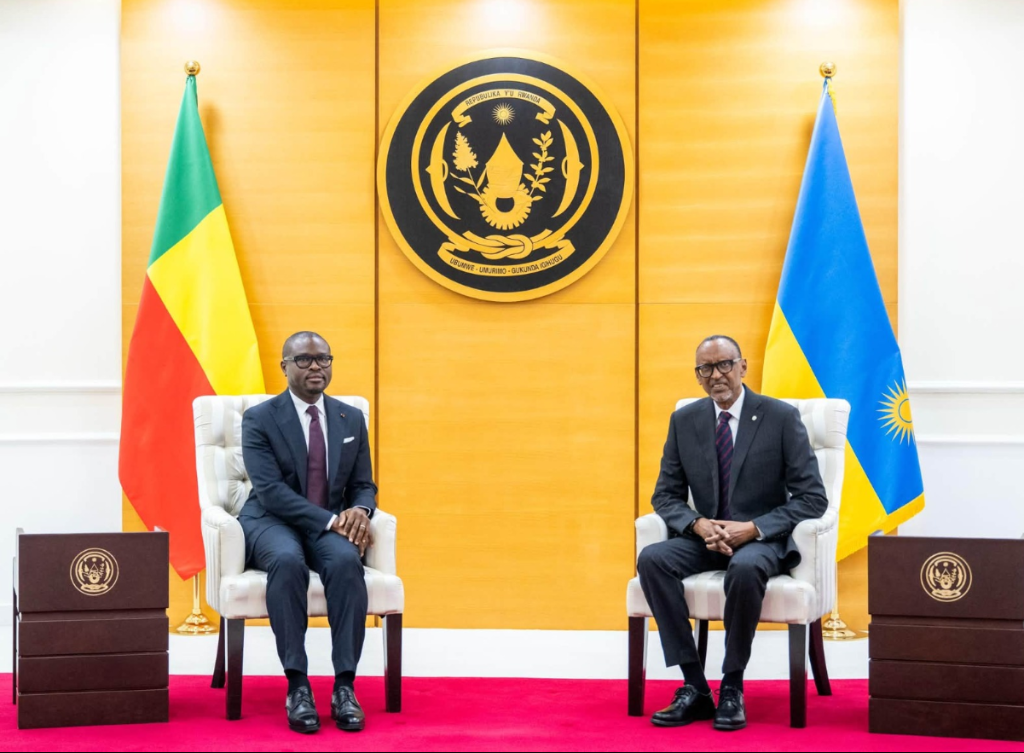
KIGALI — Benin’s President Romuald Wadagni kicked off a two-day official visit to Rwanda on Wednesday, September 16, 2026, marking his first diplomatic trip to Kigali since taking office in May. The journey has drawn widespread attention—not only for its strategic implications but also for the emotional weight of his scheduled tribute at the Kigali Genocide Memorial in Gisozi, honoring the victims of the 1994 genocide against the Tutsi.
Public reaction and diplomatic fallout
Wadagni’s arrival was met with a warm reception from local crowds and Rwandan officials alike, signaling strong interest in deepening ties between Cotonou and Kigali. Yet beyond the ceremonial welcome, observers are scrutinizing the symbolic and political resonance of his Gisozi visit. In Rwanda, where memory is woven into national identity, such gestures carry profound diplomatic meaning—and spark domestic and regional debate about historical responsibility, solidarity, and the future of Africa-to-Africa partnerships.
A summit steeped in symbolism
At Urugwiro Village, the Rwandan presidential residence, Wadagni held high-level talks with President Paul Kagame. The meeting builds on existing cooperation frameworks spanning digital transformation, public sector modernization, urban planning, agriculture, and security. But this summit stands out for its dual focus: advancing practical collaboration while acknowledging shared ethical commitments through remembrance.
Gisozi: more than a memorial
The Gisozi site—where over 250,000 victims are buried—is not just a place of mourning. It serves as an educational hub, archival center, and moral compass for Rwanda’s post-genocide ethos. By paying respects here, Wadagni aligns Benin with Rwanda’s vision of memory as a tool for unity, reconciliation, and prevention. This act resonates deeply in a region still grappling with legacies of violence and division.
What comes next for Benin-Rwanda relations?
Analysts suggest this visit could catalyze a new phase in bilateral engagement. Both nations champion tech-driven development, administrative reform, and infrastructure growth. Rwanda’s model of rapid digitization and investor-friendly policies offers potential lessons for Benin’s own transformation agenda. Future collaboration may expand into fintech, e-governance, and youth entrepreneurship—areas where Kigali has gained continental recognition.
Looking ahead: memory as a bridge
As Wadagni continues his discussions with Rwandan ministers and stakeholders, the long-term impact of this trip hinges on translating symbolic gestures into concrete outcomes. The Gisozi tribute has already stirred dialogue across social media and policy circles: Is this the start of a values-based alliance? Can shared historical consciousness fuel economic partnership? While answers remain unfolding, one thing is clear—Benin’s outreach to Rwanda marks a deliberate step toward redefining South-South cooperation on African terms.