Why Félix Tshisekedi has now embraced an inclusive national dialogue in the Democratic Republic of Congo
The Democratic Republic of Congo’s President Félix Tshisekedi has, at last, signaled his readiness to launch an inclusive national dialogue, following a pivotal meeting with religious leaders in Kinshasa. This long-awaited initiative, demanded by various political and civil society actors for over a year, now awaits concrete implementation. The head of state must issue a formal decree, appoint facilitators, define their mandates, and set the agenda and discussion framework. But what prompted this sudden shift in the Congolese leader’s position?
In a related development, the C64 opposition coalition has agreed to postpone its planned demonstration scheduled for July 22, though it has set a firm deadline. The coalition has given President Tshisekedi until August 15 to formally convene the dialogue. The question remains: is this deadline achievable?
What triggered the president’s change of heart?
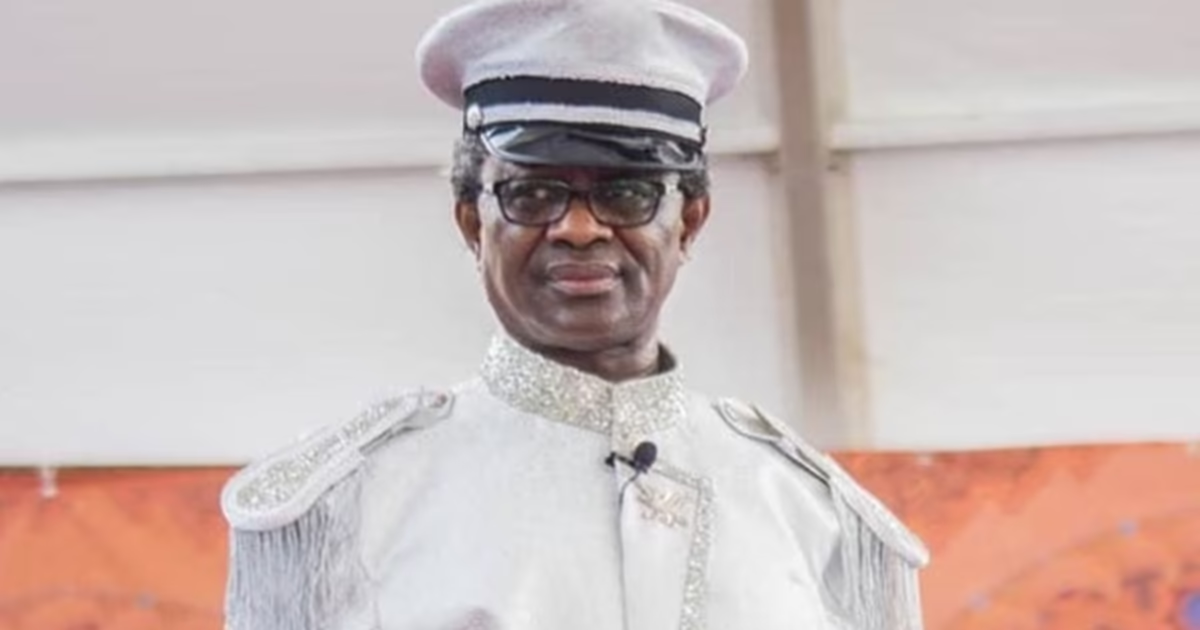
The decision comes after sustained pressure from both domestic and international stakeholders, including religious institutions, opposition groups, and regional bodies. The inclusion of faith-based leaders in the discussions appears to have played a decisive role. These leaders, with their moral authority and broad societal reach, have long advocated for a platform that ensures representation across the political spectrum.
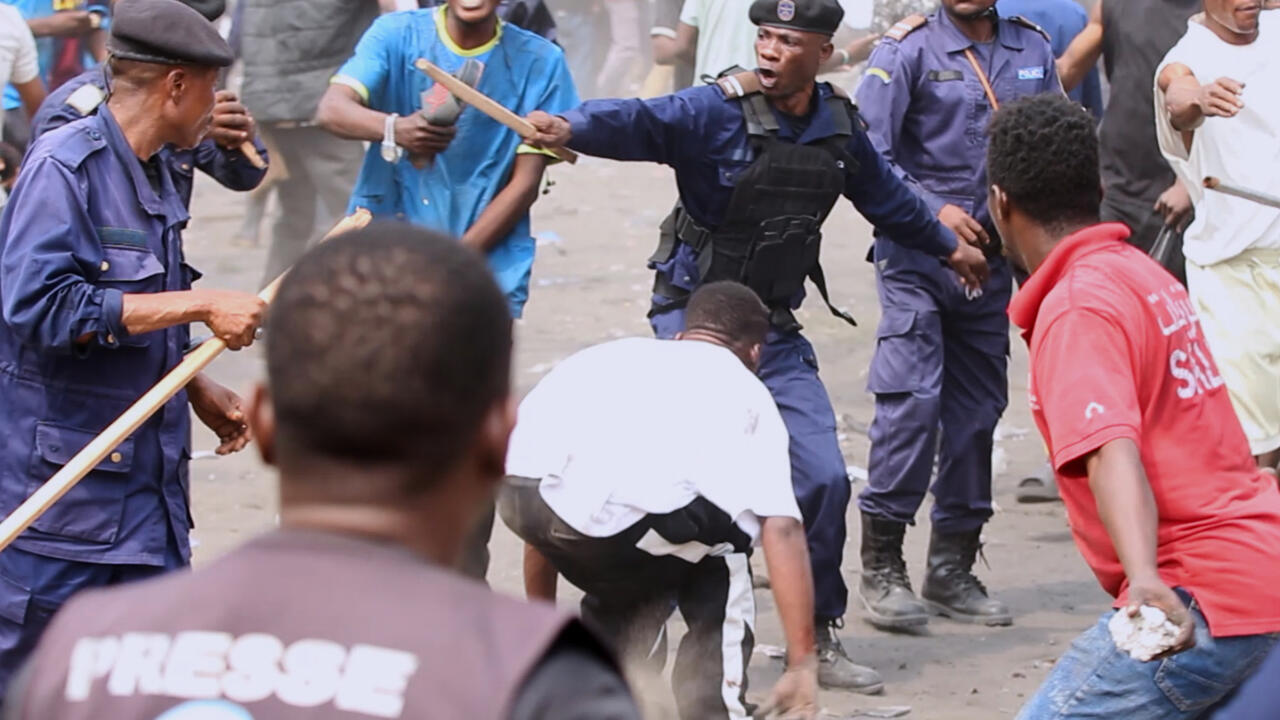
President Tshisekedi’s volte-face may also reflect a strategic move to consolidate his political standing amid growing public discontent. By endorsing the dialogue, he positions himself as a leader committed to peaceful conflict resolution—a sharp contrast to the confrontational approach adopted in previous months.
What’s next for the national dialogue?
The path to implementation remains fraught with challenges. The president must now:
- Issue an official decree to formalize the dialogue
- Appoint credible and impartial facilitators
- Establish clear terms of reference, ensuring inclusivity
- Set a realistic timeline for discussions
- Define the scope and ground rules for participation
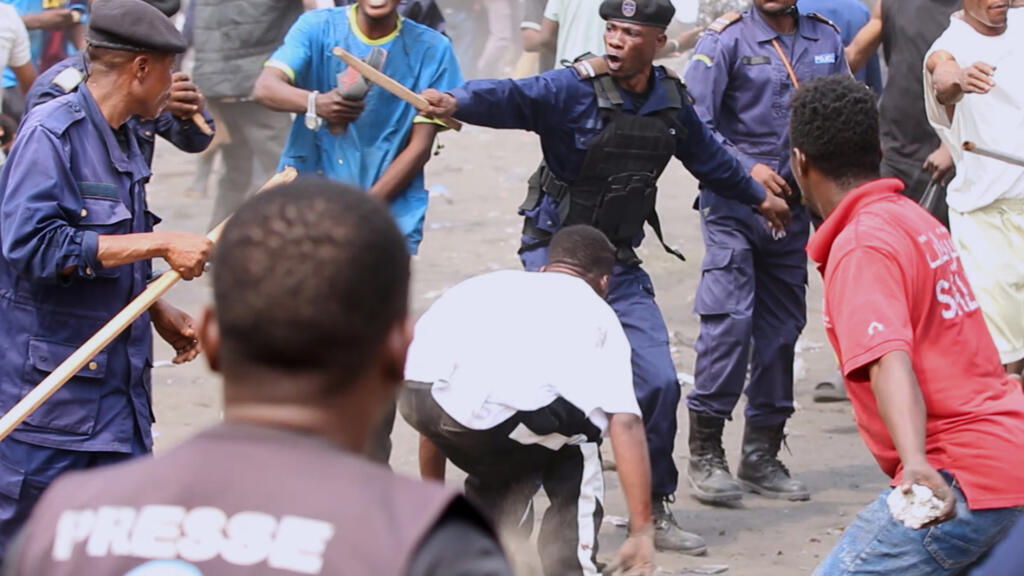
Failure to meet the opposition’s August 15 deadline could reignite tensions, particularly if protests resume. The C64 coalition has made it clear that it will not tolerate further delays.
The dialogue’s success hinges on the president’s ability to create an environment where all voices—political, religious, and civil society—can be heard without intimidation. Only then can the initiative fulfill its promise of fostering national cohesion and addressing long-standing grievances.
With the stakes higher than ever, the coming weeks will determine whether this dialogue becomes a turning point for the Democratic Republic of Congo—or another missed opportunity.