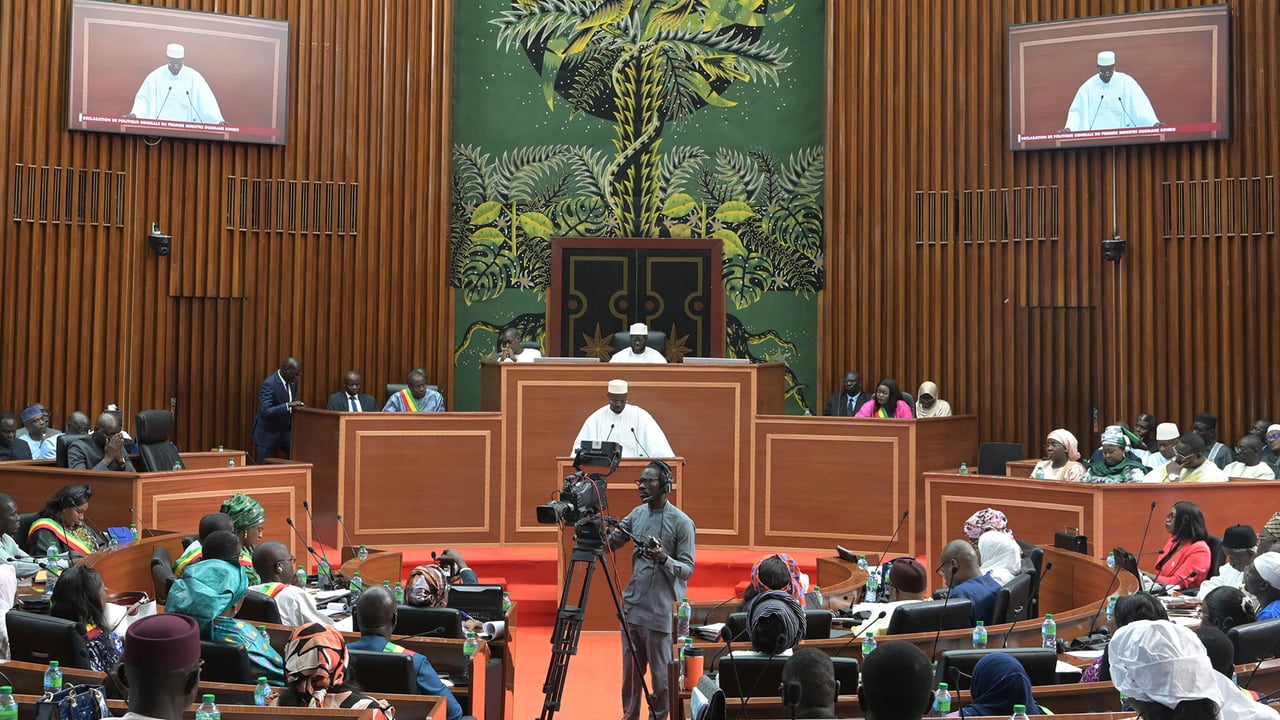

In Dakar’s political circles, a new debate has erupted over the secrecy surrounding special funds managed by the government. This controversy stems from Prime Minister Ousmane Sonko’s recent announcement of a legislative initiative to overturn a controversial amnesty law passed by the previous administration. The move has reignited discussions about transparency in public finance management, particularly regarding discretionary funds often shielded from public scrutiny.
Understanding special funds and their purpose
Special funds represent a significant portion of government expenditure, often allocated for sensitive or urgent needs that fall outside standard budgetary frameworks. These resources may be used for crisis response, national security operations, or other confidential activities where transparency could compromise effectiveness or safety. In Senegal, such funds have historically been governed by strict confidentiality rules, justified by their sensitive nature.
However, the current political climate has intensified scrutiny of these mechanisms. Critics argue that unregulated discretionary spending risks fostering corruption and undermining democratic accountability. The debate gained momentum following Sonko’s pledge to abolish the amnesty law, which critics view as a potential loophole for past political violence to go unaccounted for.
Transparency vs. confidentiality: finding the right balance
The tension between transparency and confidentiality is not unique to Senegal. Governments worldwide grapple with how to ensure public funds are used responsibly while protecting sensitive operations. In Senegal’s case, the challenge is compounded by a history of political instability and a population increasingly demanding accountability from its leaders.
Proponents of maintaining secrecy for special funds emphasize the need for operational flexibility. For instance, during national emergencies or security operations, immediate disclosures could jeopardize missions or endanger lives. They argue that excessive transparency could hinder the government’s ability to respond swiftly to unforeseen challenges.
On the other hand, transparency advocates contend that unchecked discretionary spending erodes public trust. They point to past scandals involving mismanagement of special funds as evidence of the need for stricter oversight. The proposed repeal of the amnesty law is seen as a step toward ensuring that all political violence is addressed without exemption, reinforcing the rule of law.
Key concerns in the current debate
- Legal and ethical implications: The amnesty law’s repeal raises questions about retroactive justice and whether past perpetrators of political violence could face consequences.
- Public trust in governance: Transparency in fund management is crucial for restoring confidence in institutions, particularly after years of allegations regarding opaque financial practices.
- Operational security: Critics of absolute transparency warn that revealing details of special funds could expose security vulnerabilities or operational strategies.
What’s next for Senegal’s special funds?
The government’s legislative proposal to repeal the amnesty law signals a broader shift toward greater accountability in public finance management. However, the outcome remains uncertain. Will the focus remain on confidentiality to protect sensitive operations, or will transparency prevail to ensure democratic oversight?
One thing is clear: the debate over special funds is far from over. As Senegal navigates this critical juncture, the decisions made today will shape its governance landscape for years to come. For citizens and policymakers alike, the challenge lies in striking a balance between protecting national interests and upholding democratic principles.
As discussions continue in Dakar and beyond, the government faces mounting pressure to clarify how these funds are managed and justify the necessity of their secrecy.