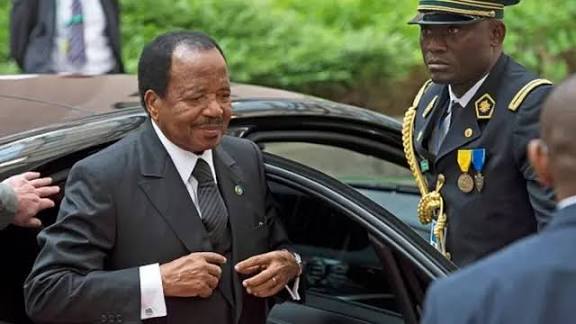
On June 7, 2026, Cameroon’s head of state, Paul Biya, left Yaoundé under the guise of a “brief private trip to Europe.” However, as of August 10, 2026, he has been away from the country for a staggering 64 days. This unprecedented absence has evolved from a passing curiosity into a pressing national issue, raising serious questions about its implications for governance and stability.
Governance in question: the weight of extended absences
The prolonged absence of a sitting president is not merely an administrative inconvenience—it carries tangible consequences for a nation’s functioning. In Cameroon, where centralized authority plays a pivotal role, extended periods without presidential oversight can disrupt policy implementation, delay critical decision-making, and create a vacuum that other institutions struggle to fill.
Public reaction and political implications
While official channels remain subdued, public discourse has begun to reflect growing unease. Citizens and political observers alike are questioning the transparency surrounding the president’s extended stay abroad. The lack of frequent updates or official reasons for the delay has fueled speculation, with many calling for clearer communication from the government.
Historical context: precedents and patterns
Paul Biya, one of Africa’s longest-serving leaders, has a documented history of lengthy absences, often justified as medical or diplomatic trips. However, the current duration sets a new benchmark, surpassing even the most extended previous instances. This trend prompts discussions about the sustainability of such leadership models in modern governance.