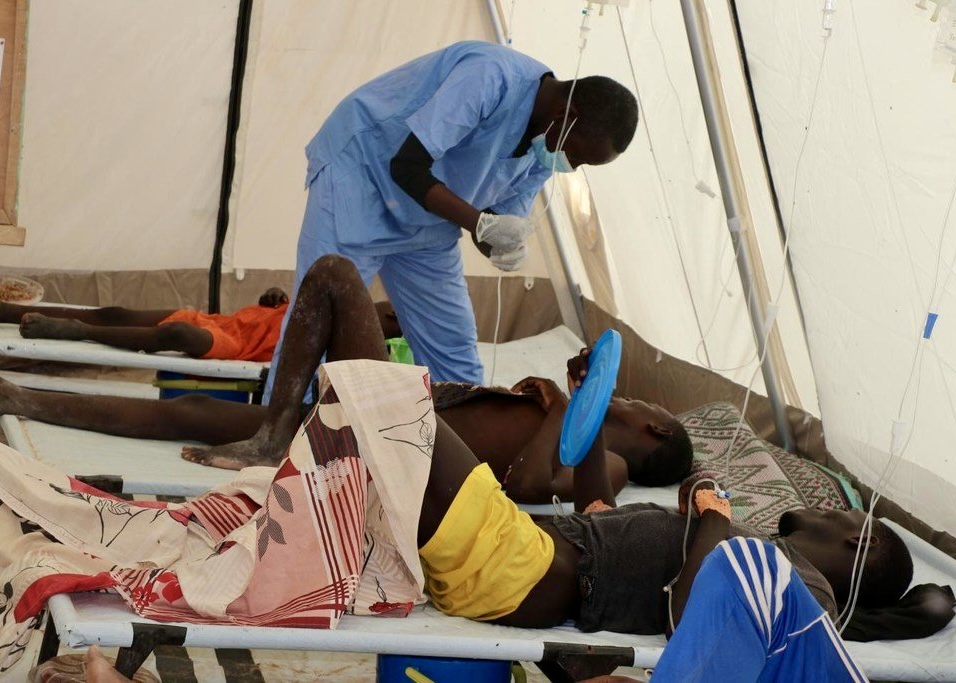
Choléra outbreak in Chad: N’Djamena faces alarming death toll
Chad is grappling with a worsening cholera epidemic, with 320 confirmed cases and 15 deaths reported by August 8. In just three days, 52 new infections were documented. The capital, N’Djamena, stands out as the hardest-hit area, accounting for more than half of the fatalities despite fewer total cases. Over 143,000 people in high-risk regions have already received life-saving vaccines.
- Health

As of August 8, Chad recorded 320 cholera cases and 15 deaths, with 52 new infections emerging within 72 hours. The national fatality rate has surged to 4.7%, far exceeding the 1% threshold considered acceptable with proper medical intervention. Three regions are currently affected: Hadjer-Lamis, Lac, and N’Djamena. Across these areas, 58 villages and neighborhoods spanning twelve health zones have reported infections.
Hadjer-Lamis leads in case numbers, with the Karal district alone reporting 168 infections and five deaths (3% fatality rate). N’Djamena, while reporting fewer total cases (92), has seen eight fatalities—a staggering 8.7% death rate that dwarfs other regions. In Lac province, particularly around Kangalom district, 60 cases and two deaths have been recorded (3.3% fatality rate). Laboratory tests confirm active transmission, with 56% of 48 samples returning positive results.
Vulnerable populations and severe symptoms
The outbreak reveals a disturbing demographic pattern: the median age of infected individuals is just 10 years. Nearly 84% of patients arrive with moderate to severe dehydration—a life-threatening complication of cholera. Nationally, the attack rate stands at 13.3 cases per 100,000 people.
Challenges in containment
Health teams are racing to vaccinate at-risk groups, having already administered doses to 143,367 people (89.1% of the target population). However, critical obstacles persist: limited access to clean water, poor sanitation infrastructure, open defecation practices, high population density, and frequent population movements. In Lac province, communication barriers further hamper awareness campaigns, patient tracking, and emergency responses.
Health authorities urge immediate action: frequent handwashing with soap, drinking only boiled or treated water, and seeking medical care at the first sign of acute diarrhea. Cholera, an acute intestinal infection, spreads through contaminated food or water. Without prompt treatment, severe cases can lead to fatal dehydration within hours.
