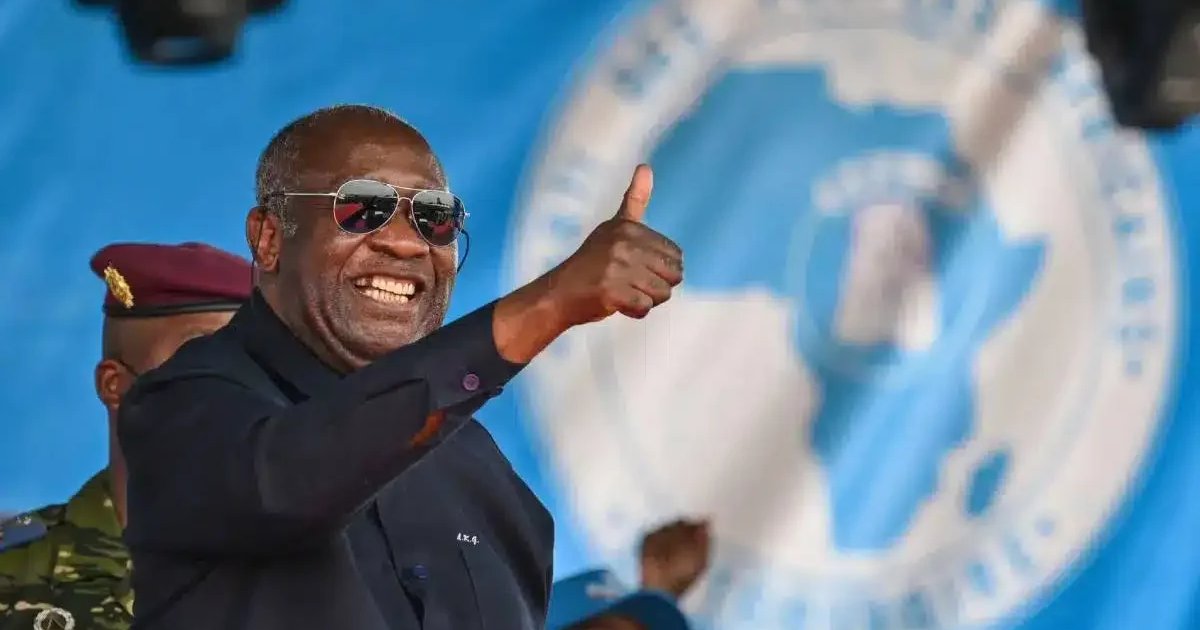
Ivory Coast politics: Laurent Gbagbo reshuffles PPA-CI leadership
In a strategic move to modernize the governance of the Parti des peuples africains-Côte d’Ivoire (PPA-CI), former President Laurent Gbagbo has introduced a collective leadership structure at the party’s helm. The reorganization, announced on August 10, replaces a single-delegation model with a five-member leadership team, while keeping Gbagbo at the core of decision-making.
New leadership roles redefine PPA-CI’s operational dynamics
Following his re-election as PPA-CI president in May 2026, Laurent Gbagbo outlined plans to decentralize authority within the party. The initial proposal involved a single deputy, but the final structure now includes five key figures, each assigned specific strategic responsibilities.
- Assoa Adou has been appointed First Vice-President, tasked with upholding the party’s political line and ensuring ideological consistency.
- Hubert Oulaye, named Second Vice-President, will oversee party operations, including central committee meetings and internal governance.
- Emmanuel Ackah, a former ambassador, takes the role of Third Vice-President, focusing on party mobilization and grassroots engagement.
- Justin Katinan Koné retains his position as Supervisor of General Policy, maintaining oversight of the party’s broader strategic direction.
- Sébastien Dano Djédjé has been named President of the Strategic and Political Council, a newly created body responsible for aligning the party’s actions with its long-term objectives.
A transition toward shared governance, without relinquishing control
Addressing party members and analysts, Gbagbo framed this restructuring as a shift toward collaborative leadership. He emphasized the importance of “complementary roles and unified action” in driving the PPA-CI forward. However, political observers note that this evolution does not dilute Gbagbo’s central authority.
According to seasoned political analyst Abdourahmane Barry, the five appointees are expected to handle day-to-day party management, while “strategic leadership remains firmly in Laurent Gbagbo’s hands.” The division of responsibilities between the new leaders has yet to be formally detailed, leaving questions about coordination mechanisms unanswered.
This leadership reshuffle coincides with the PPA-CI’s efforts to reinforce its organizational framework after Gbagbo’s reappointment as party president. The new structure aims to distribute responsibilities more evenly while preserving the founder’s decisive influence over Ivory Coast’s political landscape.