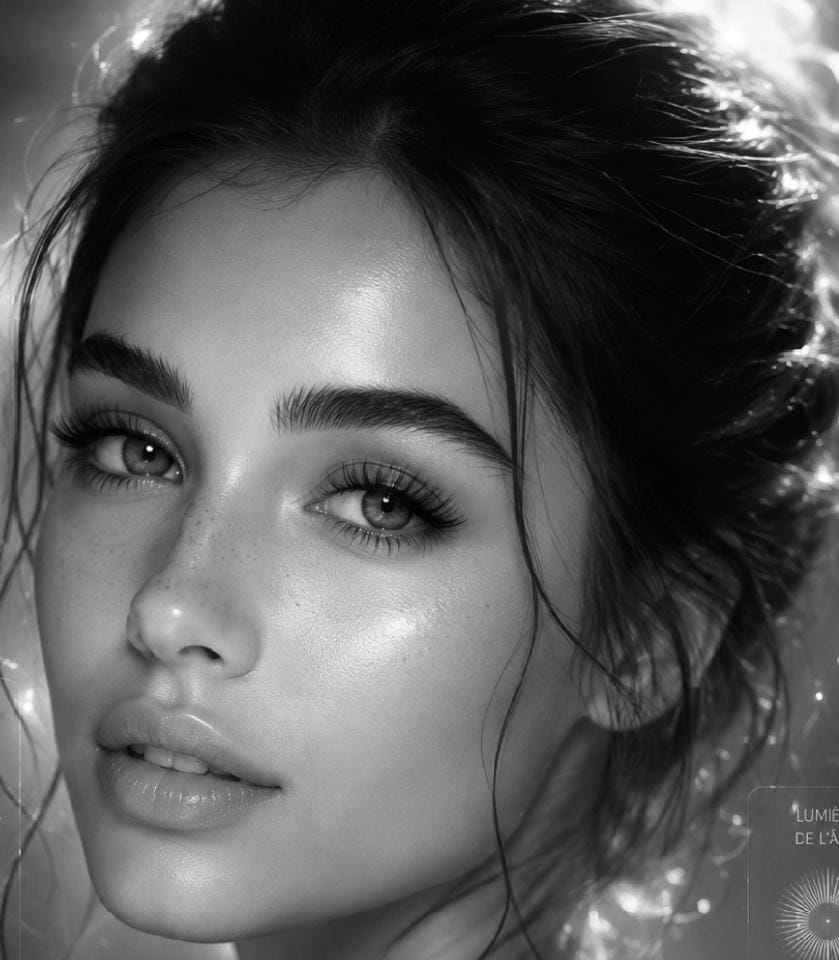
In the heart of N’Djamena, a digital revolution is reshaping how young women view themselves—often with dangerous consequences. Social media platforms have become battlegrounds where filters, edits, and curated lives set unrealistic beauty standards, leaving many girls questioning their worth.
The rise of digital perfection in Chad
Every swipe on TikTok or scroll through Instagram exposes young women to a world where flawless skin, trendy outfits, and perfect makeup define success. What starts as harmless scrolling can spiral into an obsession, where the line between reality and digital illusion blurs. In N’Djamena, this phenomenon is no longer confined to screens—it’s reshaping behavior, self-perception, and even spending habits among adolescents.
The pressure isn’t just about looking good; it’s about being seen as perfect. A single unflattering photo can spark anxiety, while a highly liked post brings fleeting validation. For some, this cycle fuels self-doubt, pushing them to extremes: excessive skin-lightening products, overspending on beauty trends, or even skipping meals to fit an unrealistic mold.
When filters become traps
The danger lies not in the platforms themselves, but in their power to distort reality. Behind every polished post is a carefully constructed narrative—one that rarely reflects the effort, time, or even digital manipulation behind it. Young women in N’Djamena are caught in this trap, trading authenticity for likes and confidence for comparison.
Psychologists warn that this digital pressure is rewiring self-esteem. Girls as young as 12 describe feeling ‘not pretty enough’ if their photos don’t meet online standards. The irony? The standards themselves are often unattainable, created by algorithms and influencers under the same pressure.
Breaking free from the digital illusion
Reversing this trend starts with awareness. Parents, educators, and communities must emphasize that beauty is not a competition—and that digital validation is fleeting. Real strength lies in skills, intelligence, and character—qualities that no filter can enhance.
N’Djamena’s young women deserve better than a life dictated by a screen. The conversation around digital beauty needs to shift from ‘how to look perfect’ to ‘how to feel confident.’ Only then can the illusion of digital perfection be shattered.