After Wadagni’s Kigali visit: what’s next for Benin-Rwanda relations amid growing scrutiny
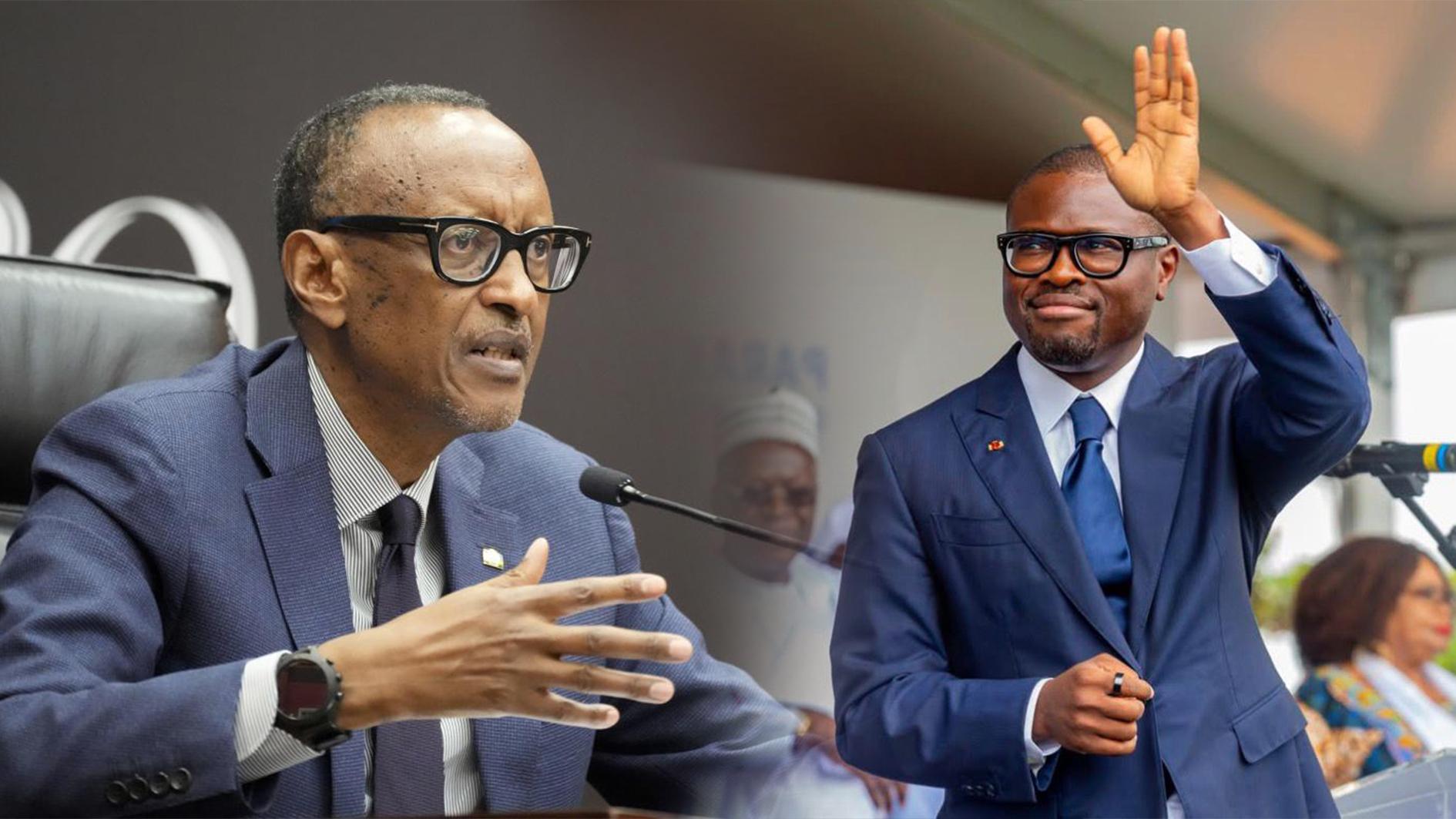
Diplomatic fallout and public debate intensify post-visit
The 48-hour working visit by Benin’s Finance Minister Romuald Wadagni to Kigali has triggered a wave of reactions across West and East Africa, with analysts and policymakers dissecting the long-term implications of the strengthened Benin-Rwanda axis. While the visit was framed as a routine diplomatic engagement, the depth of the discussions and the public commitments made in Kigali suggest a deeper strategic shift—one that is now being scrutinized for its sustainability and regional impact.
Security and governance: the new pillars of cooperation
The closed-door talks between Wadagni and Rwandan President Paul Kagame focused heavily on two key areas: regional security and administrative modernization. Both nations reaffirmed their commitment to deepening intelligence-sharing frameworks and joint border protection initiatives, signaling a shift toward a more integrated security architecture in West-Central African corridors.
On the governance front, Benin’s delegation took detailed notes on Rwanda’s acclaimed digital governance model, particularly its e-governance platforms and investor-friendly policies. Wadagni emphasized the need to adapt these frameworks to Benin’s economic context, positioning the partnership as a catalyst for intra-African trade growth and institutional efficiency.
What the security pact means for West Africa
The renewed security cooperation between Cotonou and Kigali introduces a new dynamic in a region grappling with insurgencies and cross-border threats. While specifics of the agreement remain undisclosed, the emphasis on shared intelligence and technical assistance suggests a long-term strategy to curb illicit trafficking and extremist movements across porous borders.
Digital governance as a model for Benin’s reform agenda
Rwanda’s reputation for streamlined public services and investor facilitation has long been a benchmark for African nations. Benin’s interest in replicating these systems—particularly in customs digitization and business registration—points to a broader ambition: to position itself as a regional hub for digital trade and administration. The question now is whether Cotonou can match Rwanda’s execution speed and policy consistency.
Economic ambitions and the road ahead
Beyond symbols and diplomatic courtesies, the visit underscored concrete economic ambitions. Both countries are eyeing increased trade flows through the Abidjan-Lagos corridor, with Benin positioning itself as a logistical gateway. The discussions hinted at potential joint ventures in agriculture, renewable energy, and digital infrastructure—sectors where Rwanda has already made significant strides.
However, skepticism lingers. Critics question whether the partnership will translate into tangible benefits for citizens or remain confined to elite-level agreements. The lack of immediate, publicly disclosed deliverables has fueled debates about the real economic impact of the Benin-Rwanda axis.
Historical gestures and their symbolic weight
In a gesture steeped in diplomatic tradition, Wadagni paid tribute at the Kigali Genocide Memorial, laying a wreath to honor the victims of the 1994 tragedy. The visit to the memorial, though symbolic, carried political weight—reinforcing the narrative of Rwanda as a resilient nation and setting a tone of mutual respect.
Yet, the timing of this gesture amid escalating regional tensions has not gone unnoticed. Some observers interpret it as a strategic move to align Benin with Rwanda’s global image as a stable and forward-thinking partner—a reputation that could attract foreign investors wary of instability in other parts of Africa.
Public reactions: optimism meets skepticism
The diplomatic outreach has sparked mixed reactions. Supporters highlight the potential for economic transformation and regional stability, pointing to Rwanda’s success in attracting FDI and Benin’s strategic location. Skeptics, however, warn of over-reliance on a single partnership and question the feasibility of replicating Rwanda’s models in Benin’s more fragmented political landscape.
- Proponents argue: The Benin-Rwanda axis could redefine West African trade routes, offering a blueprint for other nations to emulate.
- Critics counter: Without clear implementation roadmaps and measurable outcomes, the partnership risks becoming another diplomatic talking point.
What’s next? The road to tangible results
The visit may have set the stage, but the true test lies in the coming months. Will the proposed security and governance frameworks see swift implementation? Can Benin leverage Rwanda’s expertise to accelerate its digital transformation? And perhaps most critically—will the partnership translate into visible economic gains for citizens?
As both nations navigate the aftermath of the visit, the spotlight remains on their ability to move from rhetoric to reality. The Benin-Rwanda axis has the potential to become a model for South-South cooperation, but only if concrete steps follow the handshakes and photo opportunities.