Niger’s junta turns inward: general Barmou’s fall exposes power struggles and new purges
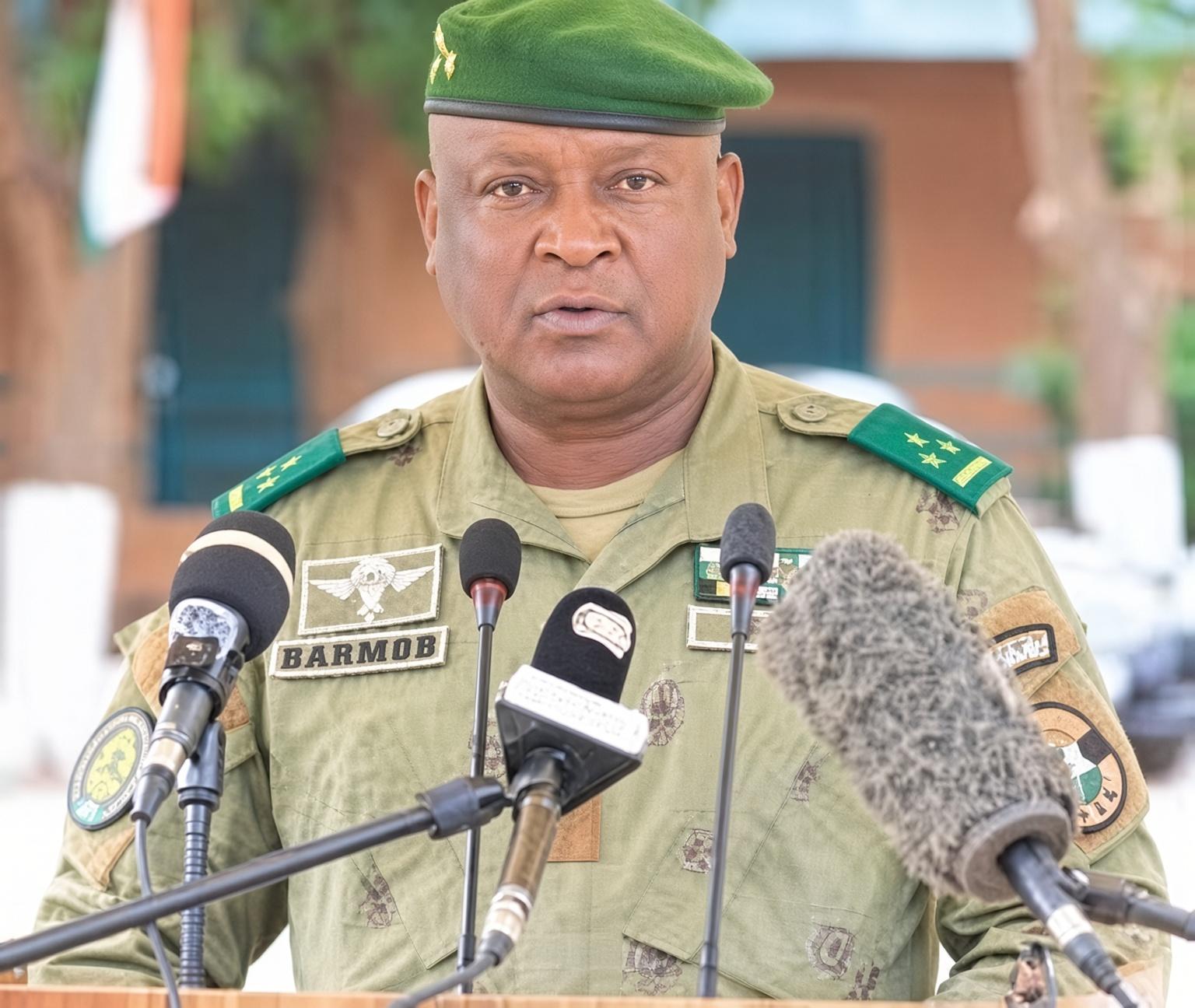
Niger’s military elite faces a turning point as one of its most prominent figures, General Moussa Salaou Barmou, is abruptly removed from power and placed under house arrest. The move comes just weeks after a failed mutiny at Niamey’s Air Base 101, a crisis that has intensified internal divisions within the junta.
From coup enabler to political casualty
The general’s trajectory mirrors the volatile nature of Niger’s post-coup transition. Once a key architect of the July 2023 ouster of President Mohamed Bazoum, General Barmou was seen as a stabilizing force for the military-led government. His sudden demotion on September 11, 2026, however, signals a sharp shift in the junta’s priorities—and a dangerous escalation in internal power struggles.
Official accusations linking him to the August mutiny remain unconfirmed, but the junta’s swift response suggests a broader agenda: eliminating perceived threats to its authority. The decree removing him was swiftly followed by the appointment of General Mamane Sani Kiaou as the new chief of staff, consolidating control under freshly appointed leadership.
Military purges reveal widening fault lines
The crackdown on General Barmou underscores a wider pattern of internal consolidation. Observers note that the junta’s reliance on external support—particularly from Africa Corps forces—has exposed vulnerabilities within Niger’s own security apparatus. The mutiny’s suppression, while successful, has left deep scars on the military hierarchy.
Analysts warn that the purge may have unintended consequences. By targeting high-profile officers, the junta risks further alienating the very institutions it depends on. The message is clear: dissent, even at the highest levels, will not be tolerated. But the strategy also risks pushing disgruntled factions toward more radical responses.
The high cost of distrust in military regimes
Public reaction in Niamey has been marked by skepticism and unease. While some applaud the junta’s decisive action, others see it as a sign of desperation—a regime consumed by paranoia and unable to trust even its own allies. The case of General Barmou serves as a cautionary tale: in the world of military governance, today’s loyalist can quickly become tomorrow’s enemy.
The junta’s aggressive stance may temporarily suppress dissent, but it also fuels a cycle of mistrust that could destabilize Niger’s already fragile political landscape.
What comes next for Niger’s military leadership?
The removal of General Barmou is more than a personnel change—it is a signal that the junta is willing to sacrifice even its most trusted figures in the name of control. Yet this strategy carries risks. As the regime tightens its grip, the potential for further fractures grows. Military cohesion, already strained by recent events, could deteriorate further, threatening Niger’s stability in the months ahead.
With the junta doubling down on purges, the question remains: can a government built on force and suspicion survive without self-destructing?