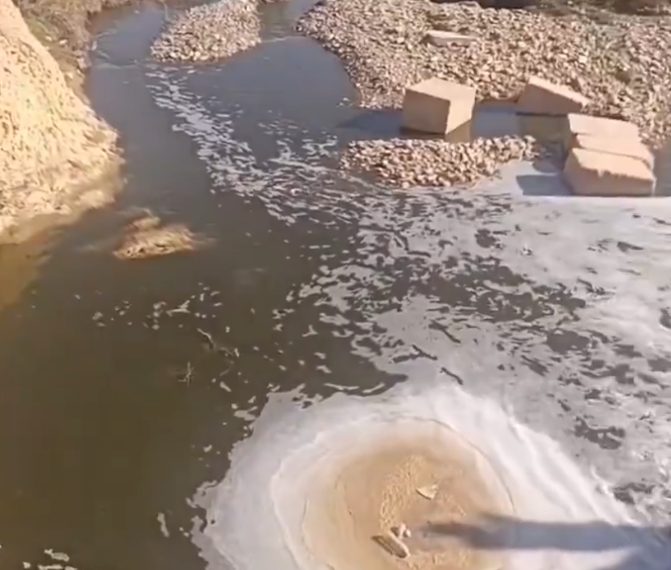
Algeria has escalated a fresh dispute with Morocco, this time over severe water pollution in the oued Mouilah that supplies Tlemcen’s critical Hammam Bougara dam.
Oued Mouilah’s contamination raises urgent environmental and health alarms
Official reports from Algeria’s western Tlemcen region confirm alarming levels of chemical and microbiological contaminants in the oued Mouilah, including high nitrite concentrations, traces of heavy metals, and pharmaceutical residues. The findings have heightened concerns over drinking water safety and ecosystem health across multiple municipalities.
The Hammam Bougara dam, a key water source for the area, draws from this contaminated river system. Sustained pollution threatens to disrupt water treatment operations, inflate potable water production costs, and intensify pressure on local water supplies.
Morocco linked by Algiers as source of cross-border pollution
Algerian authorities assert that the contamination originates from industrial and domestic discharges in Morocco, entering Algeria via the oued Isly before reaching the oued Mouilah. While these claims have not been independently verified, they introduce a transboundary dimension to an already tense bilateral relationship.
Determining the exact origin of pollutants requires rigorous scientific investigation, including comprehensive sampling across the watershed and precise contaminant tracing. Without verifiable, transparent data, accusations remain unconfirmed.
International legal pathways under consideration
In response to the crisis, Tlemcen lawmakers and Algerian officials have floated the possibility of taking the matter to international bodies. A formal appeal could invoke principles of transboundary environmental harm prevention, state cooperation, and shared natural resource protection under international law. However, no legal proceedings have been officially filed as of now.
The move underscores the severity of the issue, especially given Algeria and Morocco’s already strained diplomatic ties. Water, a strategic and increasingly scarce resource, adds another layer of complexity to bilateral relations already marked by deep political and regional divisions.
Shared water systems demand collaborative solutions
This incident highlights the urgent need for scientific clarity and sustained cross-border cooperation. Independent hydrological, toxicological, and environmental expertise is essential to identify pollution sources, assess health risks, and implement long-term monitoring of the river basin.
As water flows across political boundaries, its protection requires transparency, shared responsibility, and adherence to international environmental standards.
The oued Mouilah case may become a defining environmental flashpoint in Algeria-Morocco relations. Whether it triggers a technical emergency response or escalates into a formal diplomatic dispute remains to be seen.