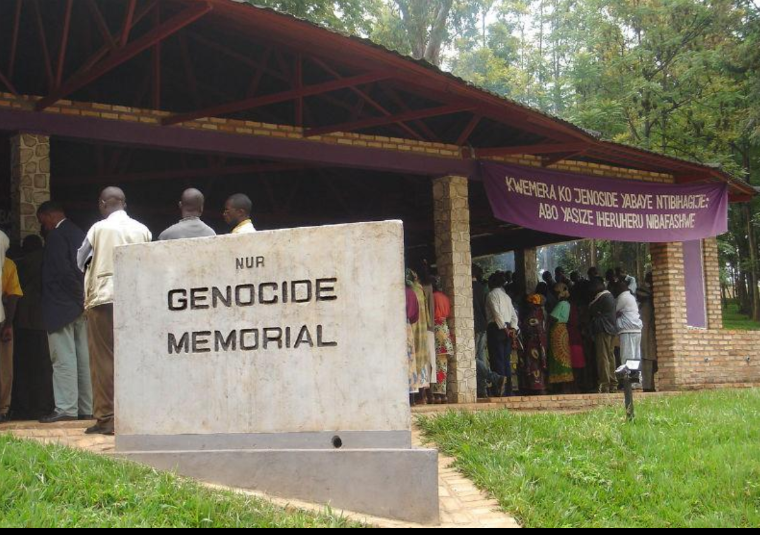
After more than three decades abroad, a fugitive accused of participating in the 1994 Rwanda genocide has been returned to face justice. Jean Léonard Teganya, a former medical student, arrived in Kigali on November 9, 2026, following his expulsion from the United States.
Former medical trainee faces grave accusations in Rwanda
Teganya, now 55, stands accused of genocide and crimes against humanity related to events in Butare, a former administrative region now part of Huye District in southern Rwanda. Prosecutors allege he played a key role in targeting Tutsi refugees and patients during the 1994 massacres.
At the time of the genocide, he was a medical student at the National University of Rwanda and undergoing training at the Butare University Hospital. Prosecutors claim he directed soldiers and militia members to locate Tutsi individuals hiding in hospital facilities. Documents from U.S. immigration court proceedings in 2019 indicate connections to the MRND political party and the Interahamwe militia, both implicated in the genocide.
The accusations include involvement in extrajudicial killings and sexual violence, although these allegations will be thoroughly examined in Rwandan courts, where individual criminal responsibility must be firmly established.
A fugitive’s global journey before extradition to Rwanda
Teganya fled Rwanda in July 1994 as the genocide unfolded. He traveled through what is now the Democratic Republic of the Congo, Kenya, and India before seeking asylum in Canada in 1999. His request was denied due to suspected involvement in genocide-related crimes, leading to a deportation order.
In 2014, he illegally entered the U.S. from Canada and claimed asylum. However, prosecutors charged him with immigration fraud and perjury. A federal jury in Boston convicted him in 2019 on two counts of immigration fraud and three counts of perjury, leading to a 97-month prison sentence. Notably, this conviction was unrelated to genocide charges.
Justice in Kigali: a new phase in Rwanda’s accountability efforts
With Teganya now in Rwandan custody, the judicial process shifts to Kigali. Prosecutors state he is the eighth genocide suspect expelled or extradited from the U.S. to Rwanda since 2007—highlighting ongoing international cooperation in pursuing accountability for 1994 atrocities.
For survivors and victim families, his return marks a critical milestone in a decades-long struggle for justice. The case underscores that even after 30 years, fugitives cannot escape legal consequences for international crimes.
What’s next in the Rwandan judicial process?
Upon arrival, Teganya was handed over to Rwandan authorities and placed under police custody for initial questioning before his case was transferred to prosecutors. The next steps will include formal charges, a trial, and a determination of guilt or innocence based on admissible evidence. The proceedings will follow Rwandan legal standards, ensuring a fair and transparent process.
As Rwanda confronts its darkest chapter, Teganya’s case serves as a reminder that justice delayed does not equate to justice denied.