US raises red flags over Madagascar’s growing security ties with Moscow
Washington has voiced strong concerns about the deepening military cooperation between Madagascar and Russia. American officials argue that Moscow’s security model, as deployed in Mali, Burkina Faso, and Niger, has failed to curb jihadist violence effectively. Beyond the immediate security implications, the United States highlights broader strategic risks tied to control over critical maritime routes in the Indian Ocean.
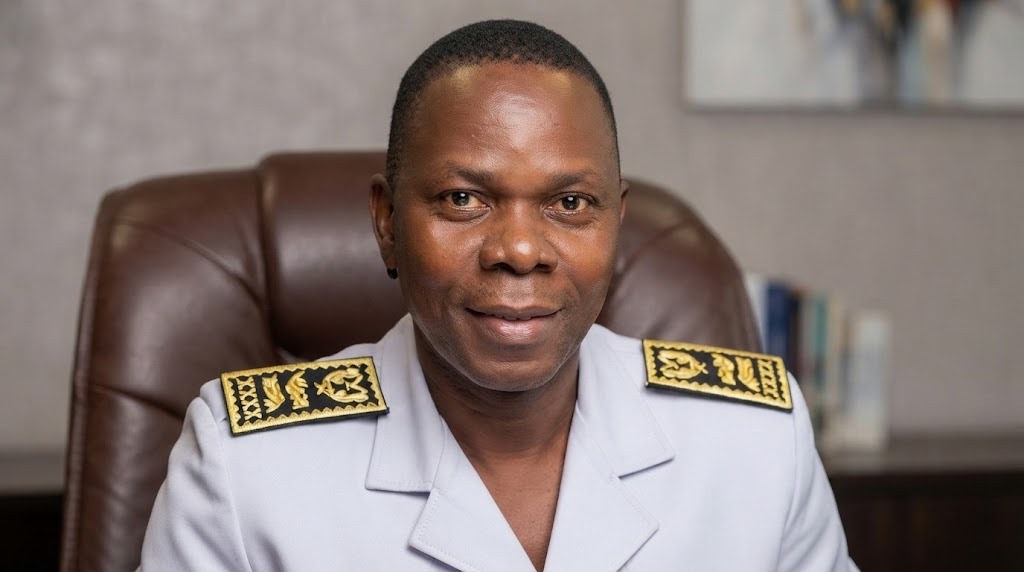
During a virtual press briefing on November 10, 2026, following a high-level visit to Madagascar and Mozambique, Lieutenant General John Brennan, Deputy Commander of US Africa Command (AFRICOM), directly addressed Antananarivo’s military alignment with Moscow. He cautioned that Russia’s Sahel strategy could set a dangerous precedent for African stability, particularly in regions where jihadist threats remain entrenched.
Why Washington distrusts Russia’s African security playbook
American skepticism centers on the outcomes of Russia’s military engagements in the Sahel. After severing ties with traditional Western partners following recent coups, Mali, Burkina Faso, and Niger turned to Moscow for security support. Russia’s Africa Corps, now a key player in the continent’s military landscape, has replaced Wagner group operations in many areas.
Yet despite increased Russian involvement, insurgent attacks continue to escalate across these countries. Brennan described Russia’s security approach as “largely ineffective,” warning that its replication in other regions—including the Indian Ocean—could further destabilize fragile states.
The US assessment does not dismiss all Russian military engagements uniformly, but it underscores that the Sahel experience has not yielded sustainable security improvements. This critique serves as the foundation for Washington’s caution to Madagascar.
Madagascar’s shifting alliances raise strategic stakes
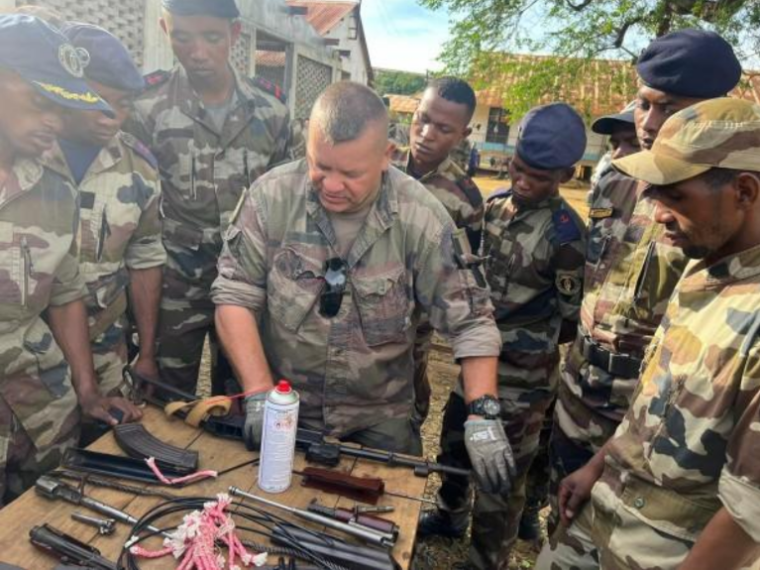
American scrutiny of Madagascar intensified after the 2025 political transition that brought Colonel Michaël Randrianirina to power. Under his leadership, relations with Moscow have accelerated, marked by arms transfers, drone deliveries, and Russian military training programs for Malagasy forces. A February 2026 state visit to Moscow by the Malagasy president further solidified defense, trade, and tourism agreements during the Russia-Africa Summit.
From Washington’s perspective, Madagascar’s strategic location elevates these developments. The Mozambique Channel, a vital shipping corridor separating Madagascar from mainland Africa, is a linchpin of international trade and energy flows. Escalating jihadist activity in northern Mozambique, including ISIS-affiliated groups adapting their maritime tactics, adds urgency to US engagement.
Mozambique’s jihadist threat: a growing US concern
Brennan highlighted the expanding operational capacity of ISIS-linked factions in Cabo Delgado. These groups, once focused on land-based insurgency, are now diversifying into sea-based attacks—posing direct risks to commercial shipping, fishing fleets, and offshore energy projects. His remarks signal US intent to bolster maritime surveillance, intelligence-sharing, and counterterrorism training in collaboration with regional partners.
Can Antananarivo balance Moscow ties without risking stability?
While Brennan acknowledged that African nations retain the right to choose military partners, he cautioned that partnerships with Russia carry geopolitical and operational risks. Madagascar now faces a delicate balancing act: sustaining its relationship with Moscow without triggering instability or alienating Western allies.No sanctions or coercive measures have been announced against Madagascar following Brennan’s statements. Instead, the US appears focused on preserving its influence in the Indian Ocean and discouraging any adoption of the Sahel-style Russian security model. The challenge for Antananarivo lies in navigating a multipolar security landscape where alliances carry long-term consequences.
The growing rapprochement between Madagascar and Russia is no longer just a bilateral issue—it is a geopolitical chess move in the Indian Ocean, where maritime security and great-power rivalry intersect.