Benin has recorded real GDP growth of 8.2% in the first half of 2026, a performance that underscores the country’s accelerating industrialization efforts. This figure, highlighted during a FMI assessment mission, reflects a deliberate shift from raw material exports to high-value production, positioning Benin as a rising economic player on the global stage.
Driving economic progress through industrialization and local value addition
The 8.2% growth milestone is not just a statistic—it signals a structural economic pivot. The government’s economic roadmap prioritizes industrialization as a key driver of sustainable development, aiming to reduce reliance on unprocessed exports and increase the domestic processing of raw materials like cotton, cashew, and palm oil.
By integrating local transformation into its economic model, Benin seeks to retain a greater share of revenue generated from its natural resources. This strategy includes:
- Expanding industrial zones such as the Glo-Djigbé Industrial Zone (GDIZ), designed to anchor value chains and boost manufacturing output
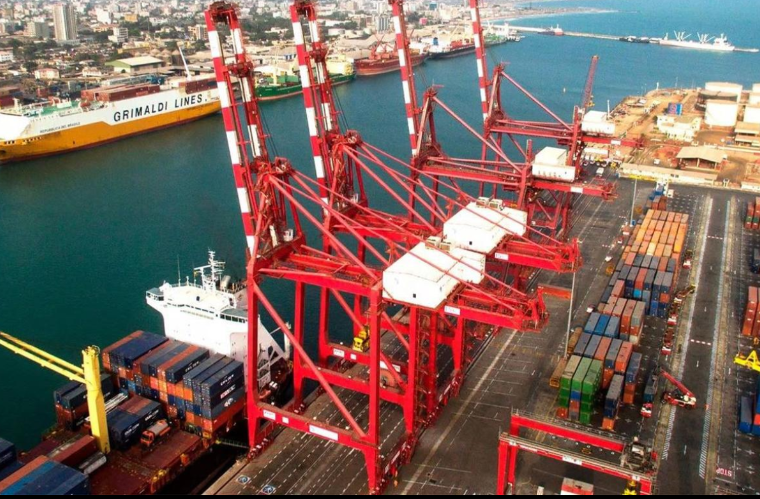
- Modernizing infrastructure including ports, roads, and energy networks to support industrial activity
- Strengthening the business environment through policy reforms and incentives to attract private investment
GDIZ: the engine behind Benin’s industrial ambitions
The Glo-Djigbé Industrial Zone (GDIZ) stands as a flagship initiative in Benin’s industrial transformation. Strategically located near Cotonou, GDIZ is designed to foster agro-processing, textiles, and light manufacturing—sectors with high potential for value creation and job creation.
By developing robust supply chains around local resources, GDIZ aims to produce higher-value goods for both domestic consumption and export. This model not only increases export competitiveness but also reduces dependency on volatile commodity prices.
Expanding global market access for made-in-Benin products
With industrialization gaining momentum, Benin is targeting high-value international markets including Europe, China, and the United States. These economies offer strong demand for processed agricultural products, textiles, and manufactured goods—sectors where Benin is actively building capacity.
To scale up exports, the country is investing in:
- Logistics infrastructure to streamline trade flows and reduce costs
- Quality standards to meet international regulatory requirements
- Trade facilitation policies to support SMEs in entering foreign markets
Confronting challenges to sustain long-term growth
While the outlook is positive, maintaining 8.2% growth requires addressing key risks:
- Commodity price volatility, which can impact export earnings and public revenue
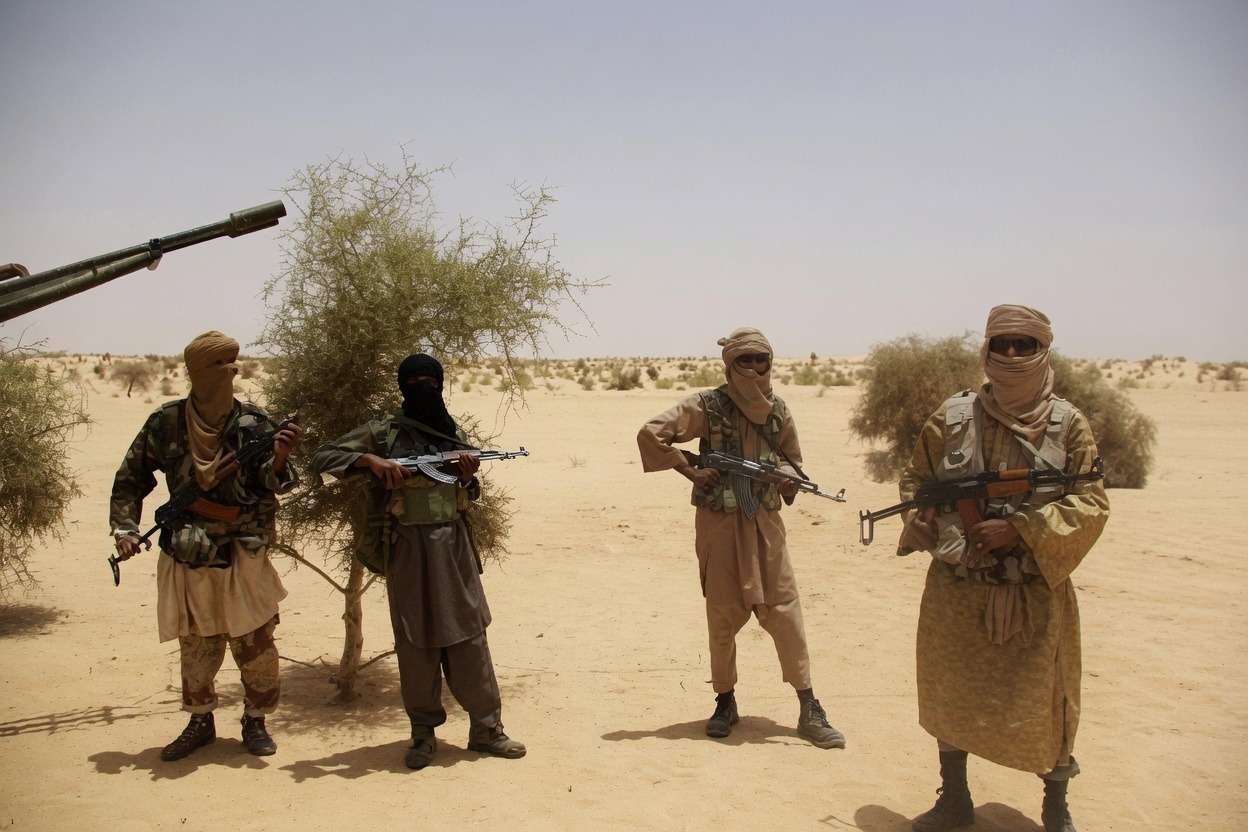
- Regional security concerns, particularly along borders and trade corridors
- Climate-related shocks that could affect agricultural output and supply chains
Sustaining this growth trajectory will depend on continued investment in skill development, technology adoption, and supportive policy frameworks. Success will be measured not only in GDP numbers but in job creation, rising household incomes, and improved living standards for Beninese citizens.
The path to economic sovereignty through industrial development
Benin’s 8.2% growth in 2026 marks a turning point in its economic narrative. By prioritizing industrialization and local value addition, the country is transitioning from a traditional raw material exporter to a producer of manufactured goods with higher margins and greater resilience.
As Benin consolidates its industrial base, the focus remains on building a competitive, diversified economy—one that generates sustainable jobs, drives innovation, and enhances the nation’s economic independence. The journey has only just begun, but the direction is clear: toward a future where Benin is known not just for its resources, but for what it can make with them.