Thousands of Burkinabè miners expelled from Guinea amid desperate homecoming
Burkinabè artisanal gold miners forcibly returned from Guinea find themselves in an impossible situation. Having fled Burkina Faso’s escalating violence and instability, they now face an uncertain future back home. Many arrived in Guinea with little more than hope for survival, only to be met with expulsion orders that have stripped them of their fragile livelihoods.
Why Burkina Faso’s miners took the dangerous path to Guinea
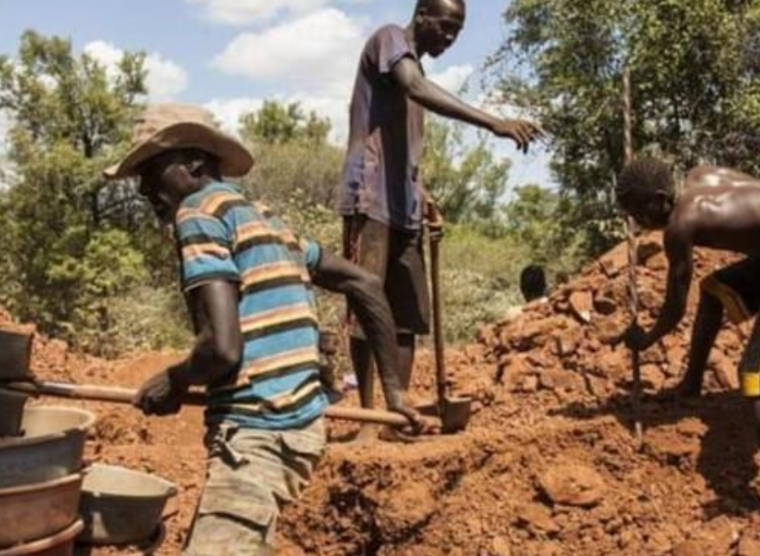
The exodus to Guinea wasn’t about seeking wealth—it was about survival. Burkina Faso’s decade-long conflict has devastated rural communities, with armed attacks displacing families and forcing thousands into makeshift camps. Without income, many turned to artisanal mining as a last resort. The southern regions of Burkina Faso, once agricultural heartlands, became too dangerous to cultivate, pushing workers toward Guinea’s gold-rich areas around Siguiri.
The fragile stability found in Guinea
- Despite harsh conditions, mining sites in Guinea provided temporary income
- Many sent remittances back to Burkina Faso to support struggling families
- Some built modest savings to send their children to school
- The promise of stability outweighed the risks of staying in Burkina Faso
But this fragile balance collapsed when Guinean authorities launched mass expulsion campaigns targeting foreign artisanal miners. The crackdown, though justified from a mining regulation standpoint, left thousands of Burkinabè workers stranded with no income and no legal recourse.
Uneven returns: what awaits Burkinabè miners back home
Security challenges for returnees
The return to Burkina Faso offers no guaranteed safety. Many displaced miners come from villages still under threat from armed groups. Their homes may have been destroyed, farmland abandoned, or entire communities relocated. For others, returning means joining already overcrowded displacement camps where resources are scarce.
Economic bleakness compounds the crisis
The loss of their primary income source leaves these workers in an impossible position. Some arrive with modest savings, while others return completely destitute. In displacement camps and urban areas, competition for jobs and basic services has intensified. The arrival of new vulnerable families only heightens the strain on already stretched resources.
“We left because we had no choice. We return with nothing and find no solutions.”
The looming security threat of unaddressed poverty
Experts warn that prolonged economic deprivation could increase vulnerability to recruitment by armed groups. While most affected individuals won’t turn to violence out of desperation, the absence of alternatives creates dangerous possibilities. The combination of unemployment, lost livelihoods, and shattered trust in institutions makes targeted individuals more susceptible to exploitation.
The government’s response must address both immediate needs and long-term integration. Without proper support systems, expelled miners risk becoming permanent victims of Burkina Faso’s multiple crises.
What effective reintegration would look like
Immediate measures needed
- Temporary cash transfers to cover basic needs for vulnerable returnees
- Emergency food assistance for those with no means of support
- Assessment of security risks for those unable to return home
Long-term solutions for sustainable recovery
- Targeted vocational training matching local market needs
- Support for restarting small-scale agricultural activities
- Mediation with Guinean authorities to ensure fair treatment of remaining miners
- Partnerships with NGOs to expand income-generating opportunities
The expulsion crisis reveals deeper flaws in Burkina Faso’s approach to displaced populations. While repatriation is necessary, it must be accompanied by genuine support structures that prevent returnees from becoming permanent casualties of war.
A crisis of dignity and belonging
These Burkinabè miners didn’t choose adventure—they chose survival. Their expulsion from Guinea forces them to confront the consequences of a conflict that has uprooted millions. Without meaningful integration policies, Burkina Faso risks losing another generation to the very violence they tried to escape.
The government faces a critical choice: will these returnees be treated as temporary statistics in a migration crisis, or will they receive the support needed to rebuild their lives? The answer will define Burkina Faso’s stability for years to come.