As Togo approaches a pivotal date in 2026, opposition leader Nathaniel Olympio is spearheading a national mobilization against what he describes as the failures of President Faure Gnassingbé’s government. The catalyst? A toxic mix of surging living costs, persistent power cuts, and what critics call democratic backsliding—issues now at the heart of an impending protest.
Nathaniel Olympio’s campaign gathers momentum ahead of November 20
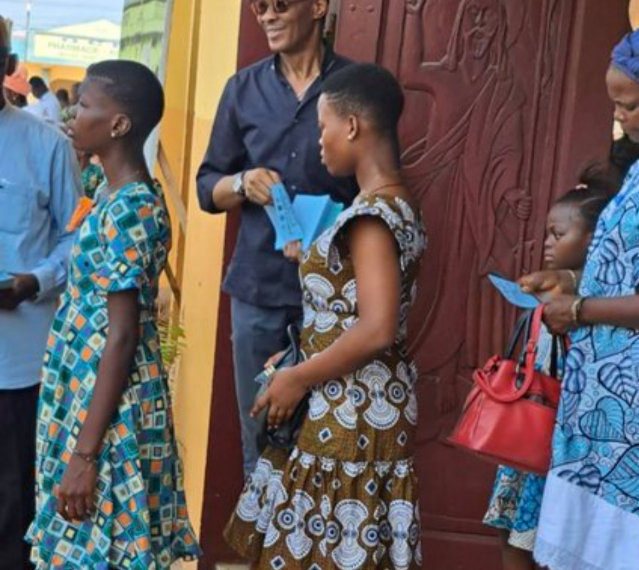
With months to go before the scheduled patriotic warning day on November 20, 2026, Olympio has launched an aggressive outreach effort targeting grassroots frustration. On November 8, activists distributed flyers outside churches across the country, framing the upcoming demonstration as a turning point for citizens unifying against economic hardship and political grievances.
The campaign is coordinated by the Manifeste Génération Togo coalition, a broad alliance of civil society groups aiming to channel public anger into a unified national action. Organizers stress that the protest is designed to send a clear message to authorities before a critical political phase begins in January 2027.
Soaring living costs drive citizen unrest
At the core of the mobilization are crippling economic pressures. Olympio and his supporters argue that the rapidly rising cost of basic goods has pushed countless households, especially low-income families, informal traders, and daily wage earners, to the brink. They contend that wages have not kept pace with inflation, leaving citizens struggling to afford food, fuel, and housing.
The opposition frames the crisis as the direct result of government policy failures, insisting that the state has neglected economic stewardship in favor of maintaining political control. This critique positions the cost-of-living issue not just as an economic problem, but as a governance failure warranting urgent public response.
How essential goods became unaffordable
- Staple foods: Price hikes in cereals, cooking oil, and rice have eroded purchasing power.
- Fuel shortages: Recurrent scarcity and price volatility have disrupted transport and small businesses.
- Public services: Water, healthcare, and education costs have risen beyond the reach of many families.
According to opposition sources, these conditions have fueled widespread discontent, creating fertile ground for political mobilization.
Power cuts underscore governance lapses
Another flashpoint is the country’s erratic electricity supply. Frequent load shedding—euphemistically called délestages—has paralyzed homes, small workshops, and street vendors. More than a daily inconvenience, these blackouts have ripple effects on production, commerce, and public health.
>The opposition points to the Compagnie Énergie Électrique du Togo (CEET) as emblematic of systemic underinvestment and poor management. They are calling for full transparency in energy sector operations and accountability for the recurring service failures.
Critics warn that continued instability in electricity access threatens Togo’s economic competitiveness and undermines social cohesion.
Democracy in crisis: constitutional reform fuels anger
The protest is also rooted in constitutional controversies. An overhaul passed in 2024 has been widely criticized by opposition groups, who argue it centralizes power and weakens checks on the executive. They allege that the reforms were engineered to allow President Faure Gnassingbé to extend his rule, undermining the principle of democratic alternation.
Olympio and allies frame the constitution as a tool of elite preservation rather than a framework for inclusive governance. Their demands include restoring constitutional balance and ensuring return of exiles and release of what they term political prisoners.
What’s next: protest as a springboard for change
The November 20 event is framed as a “citizen warning day”—a symbolic but potentially decisive step toward broader political action. Organizers hope to draw massive participation, signaling to authorities that public patience has worn thin.
Following the protest, coalition leaders have vowed to escalate pressure, including advocacy for a national dialogue to chart a new political path. The timeline suggests a high-stakes gambit: either the regime addresses core grievances, or risks escalating confrontation in early 2027.
For now, all eyes are on the streets. Can Olympio and the Manifeste Génération Togo turn frustration into lasting political change? With the cost of living, power shortages, and democratic deficits still unresolved, the outcome of November 20 could redefine Togo’s political future.