In a decisive move to strengthen its healthcare system, Benin has launched a nationwide verification initiative targeting 15,398 healthcare professionals trained abroad. The assessment aims to validate the competencies of workers who hold diplomas from unrecognized foreign institutions, ensuring adherence to national standards for safe and effective patient care.
Government initiative targets 67% of foreign-trained healthcare workforce
As part of a broader effort to regulate the practice of healthcare professions in Benin, authorities have set out to evaluate the qualifications of 15,398 professionals—representing approximately 67% of the 22,972 foreign-trained workers identified in a 2026 census. This initiative follows a cabinet meeting held on November 4, 2026, where the scope and implementation of the assessment were finalized.
The evaluation focuses on professionals who graduated from private foreign institutions whose degrees are not officially recognized by the Beninese state. Instead of merely verifying administrative recognition, the assessment will examine the practical knowledge and operational skills critical to patient safety and care quality.
Four essential healthcare roles under scrutiny
The skills verification program targets four key professional categories, all vital to the healthcare delivery system:
- General medical doctors — responsible for diagnosis, treatment, and patient management.
- Pharmacists — ensuring accurate dispensing and safe use of medications.
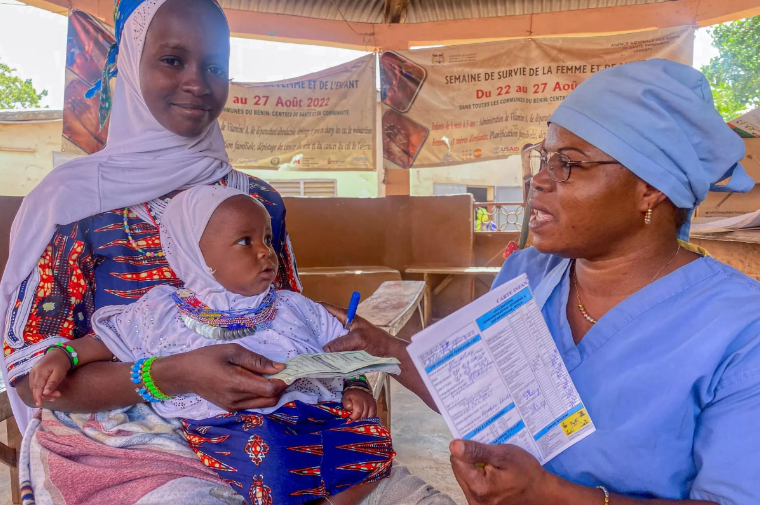
- Nurses and midwives — providing frontline care, maternal health support, and patient monitoring.
These roles were selected due to their direct impact on healthcare outcomes. Errors in diagnosis, prescription, or treatment can have serious consequences, making competence verification a public health necessity.
Structured preparation ensures fairness and clarity
To support candidates, authorities have developed a structured capacity-building program, including detailed educational regulations that outline assessment formats, success criteria, and certificate issuance rules. This initiative offers professionals a clear pathway to align their skills with national standards before undergoing evaluation.
The program emphasizes transparency in evaluation criteria and administration, ensuring each candidate receives equitable treatment throughout the process. This structured approach not only benefits individual professionals but also strengthens public trust in the healthcare workforce.
Strengthening patient safety and healthcare quality
The primary goal of this initiative is to enhance patient protection. By verifying the competence of healthcare workers, Benin seeks to reduce risks such as misdiagnosis, incorrect prescriptions, and inadequate clinical procedures. Patients deserve confidence that the professionals treating them are fully qualified and adhere to recognized standards.
Beyond immediate safety benefits, the assessment contributes to the overall quality of care. Well-validated professionals are better equipped to deliver reliable diagnoses, effective treatments, and preventive care—especially in maternal and child health, a critical focus area for population well-being.
Professional opportunities and next steps
For the 15,398 healthcare workers involved, this initiative offers a structured opportunity to validate their expertise. Those who successfully complete the assessment will receive a certificate of professional aptitude, a key step toward obtaining official equivalence recognition for their foreign qualifications.
It’s important to note that this certificate does not automatically grant the right to practice. Final recognition remains subject to additional regulatory procedures, including administrative validation and compliance with local licensing requirements.
A foundation for trust in Benin’s healthcare system
This initiative reflects a broader commitment to improving the integrity and credibility of Benin’s healthcare system. By requiring foreign-trained professionals to demonstrate their competency, the government is reinforcing standards across the sector, regardless of where professionals received their initial training.
Ultimately, high standards in healthcare depend not only on infrastructure or resources but on the skills and professionalism of those delivering care. Benin’s nationwide skills assessment marks a pivotal step toward safeguarding patient health, elevating care quality, and building lasting public trust in the nation’s medical institutions.