Benin has reached a turning point in the management of its southern coastline. The government’s decision to establish a dedicated authority for the Fidjrossè-Ouidah corridor marks a decisive shift toward sustainable coastal development, balancing rapid tourism growth with the preservation of fragile ecosystems.
Why the Fidjrossè-Ouidah coast demands urgent action
Stretching from Fidjrossè to Ouidah, this once-remote stretch of coastline has transformed into a strategic hub for Benin’s economic ambitions. Once defined by wetlands, fishing villages, and untouched beaches, the area now faces intense pressure from urban sprawl, unregulated construction, and tourism infrastructure.
This transformation has come at a cost. Natural buffers like marshes and mangroves, which once absorbed floodwaters and protected inland communities, are being encroached upon. The result? Increased flood risks, eroding shorelines, and mounting ecological strain. Recognizing the need for control, Benin’s leadership has moved to reclaim authority over this vital stretch of coast.
A new guardian for Benin’s coastal balance
The soon-to-be-established Authority for the Development of Coastal Basins (ADBC) from Fidjrossè to Ouidah will serve as the central coordinator for all activities along this coastline. Its mandate is sweeping: managing urban planning, enforcing environmental protections, overseeing tourism projects, and ensuring sustainable land use.
Unlike previous fragmented approaches, this authority will unify efforts under one roof. It will work alongside the existing National Coastal Protection and Management Cell—a body created by Benin’s 2018 coastal law—to enforce regulations on construction, pollution control, and ecosystem preservation. For developers, investors, and local communities, this means clearer rules and a single point of accountability.
The fight to save Benin’s wetlands
One of the authority’s top priorities is the protection of wetlands, which have borne the brunt of unchecked development. These natural sponges act as flood barriers and biodiversity hotspots, yet they are often treated as expendable land for hotels, villas, and roads.
The ADBC will enforce strict zoning laws to prevent further encroachment. Projects in sensitive areas will require its approval, ensuring that wetlands remain intact. The authority will also monitor water retention capacities, a critical factor in preventing seasonal flooding—a growing concern as climate patterns shift.
Erosion and rising seas: a dual threat
The Fidjrossè-Ouidah corridor is not just battling land-based pressures. Coastal erosion and marine submersion are eroding beaches at an alarming rate. To counter this, the ADBC will collaborate with engineering teams to design and implement protective measures, such as reinforced dunes and breakwaters. It will also regulate activities that accelerate erosion, including sand extraction and unauthorized construction.
Environmental quality will be another focus. The authority will oversee waste management, pollution controls, and sustainable waste-water treatment to keep the coastline habitable for both people and wildlife.
Tourism with a conscience
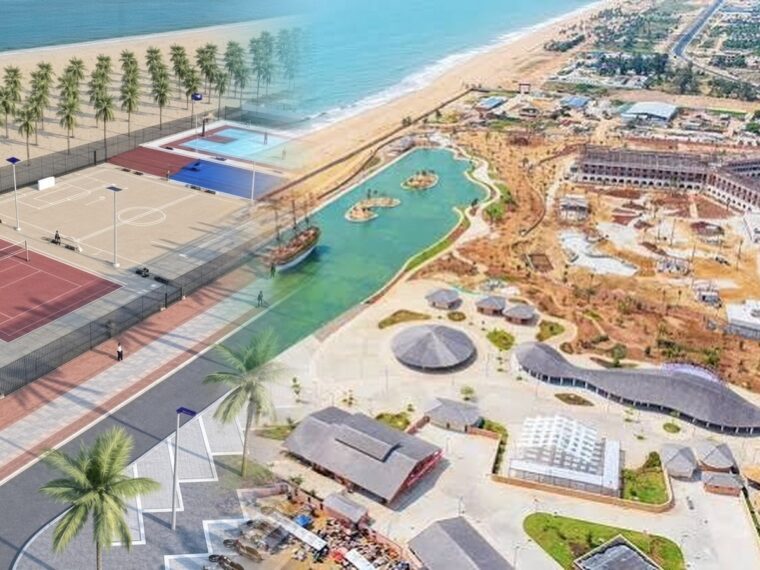
Tourism remains a cornerstone of Benin’s coastal strategy, but the new authority will ensure it grows responsibly. The ADBC will vet all tourism-related projects—beach resorts, cultural centers, and recreational facilities—to ensure they align with environmental and urban planning laws. The goal? A thriving tourism sector that doesn’t come at the expense of the coast’s ecological health.
This includes regulating commercial activities, from fishing to artisanal markets, to prevent over-exploitation of resources. By setting sustainable standards, the authority aims to create a model where economic benefits and environmental preservation go hand in hand.
Public-private partnerships: a path to sustainable investment
To fund and operate coastal projects, Benin is turning to public-private partnerships (PPPs). The ADBC will facilitate these collaborations, inviting investors to co-develop infrastructure like eco-resorts, green energy systems, and waterfront promenades. This approach not only eases the financial burden on the government but also ensures projects are built to last.
However, the success of these partnerships hinges on transparency. The authority will enforce strict compliance with environmental and social safeguards, preventing the kind of exploitative development that has marred other coastal regions.
What’s next for Fidjrossè-Ouidah’s coast
The ADBC’s statutes have already cleared a major hurdle—they were approved by the Council of Ministers. Now, the focus shifts to implementation. The minister of Environment and Sustainable Development is working with other agencies to establish the authority’s operational framework, including staffing, funding, and enforcement tools.
For Benin, the stakes couldn’t be higher. The Fidjrossè-Ouidah corridor is more than just a stretch of land—it’s a showcase of the country’s development vision. By taking decisive action now, Benin is sending a clear message: its coastline will be developed, but never at the cost of its natural heritage.
The road ahead won’t be easy. Balancing urban growth, tourism demand, and ecological protection requires agility, innovation, and unwavering commitment. But with the ADBC at the helm, Benin is positioning itself to turn these challenges into opportunities—proving that progress and preservation can coexist.