Burkina Faso’s military ruler declares democracy incompatible with national revival
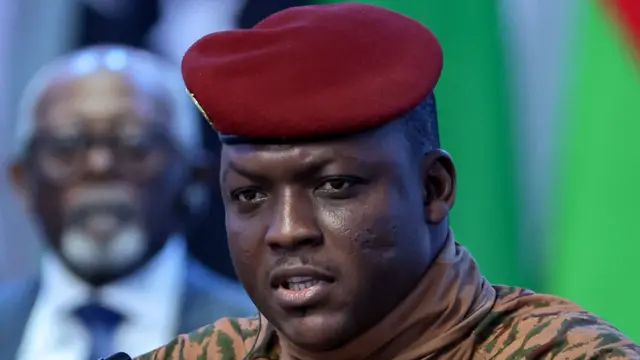
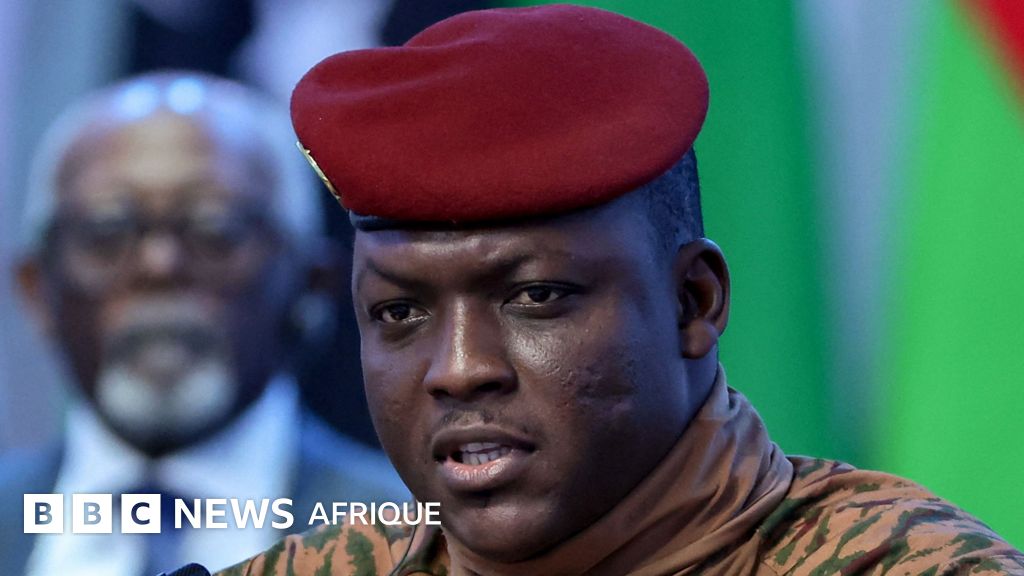
The military leader of Burkina Faso has delivered a stark message to his nation: the people must abandon democracy, calling it a destructive system incompatible with the country’s revolutionary path. Speaking during a nationally televised address, Captain Ibrahim Traoré made his position clear, stating that the nation’s future lies in an alternative governance model tailored to Burkina Faso’s unique challenges.
“People must forget about democracy. It is not for us,” Traoré declared, emphasizing that the system has brought nothing but suffering to Africa. He pointed to Libya as a cautionary example, where decades of democratic experimentation under Western influence ended in chaos following foreign intervention. “Wherever Western powers impose democracy, bloodshed follows,” he asserted, reinforcing his rejection of Western political models.
The 38-year-old leader, who seized power in a 2022 coup, had initially promised a return to civilian rule by July 2024. Yet with the deadline approaching, the junta extended its mandate by five years, citing the need for stability amid ongoing Islamist insurgencies. In January, authorities banned all political parties, arguing they fostered division and corruption rather than progress.
Traoré’s administration has systematically dismantled opposition structures, targeting political parties, media outlets, and civil society groups. Critics argue these measures stifle dissent, while supporters praise his commitment to revolutionary change. “A true politician in Africa—or at least in Burkina Faso—is someone who embodies all vices: a liar, a flatterer, a smooth talker,” Traoré remarked, dismissing traditional political figures as irredeemable.
The military ruler outlined his vision for a new system built on sovereignty, patriotism, and grassroots mobilization, where traditional leaders and local structures would play central roles. Economic and military self-reliance emerged as key priorities, with Traoré dismissing conventional work hours as insufficient for national progress. “Six or eight-hour workdays won’t lift Burkina Faso out of poverty,” he stated, calling for relentless effort to bridge the gap with wealthier nations.
Burkina Faso’s pivot away from Western alliances has intensified under Traoré’s leadership. The country has severed military cooperation with France and other European nations, instead aligning with Russia for security support. However, the Islamist insurgency rages on, with violence escalating despite these geopolitical shifts.
Human rights organizations report a grim toll: since Traoré’s 2022 takeover, over 1,800 civilians have been killed, with two-thirds of the fatalities attributed to state forces and allied militias. The remaining deaths stem from Islamist militant attacks, highlighting the complex and deadly security landscape.
Traoré’s stance has resonated beyond Burkina Faso’s borders, earning him admiration from panafricanists and critics of Western influence across the continent. Yet his methods—suppressing dissent, centralizing power, and rejecting democratic norms—continue to spark intense debate about the future of governance in West Africa.
As Burkina Faso navigates this turbulent period, the question remains: can a revolutionary model deliver stability and prosperity, or will it deepen the crisis? The coming years will test Traoré’s bold vision against the harsh realities of a nation at war with itself—and with time.