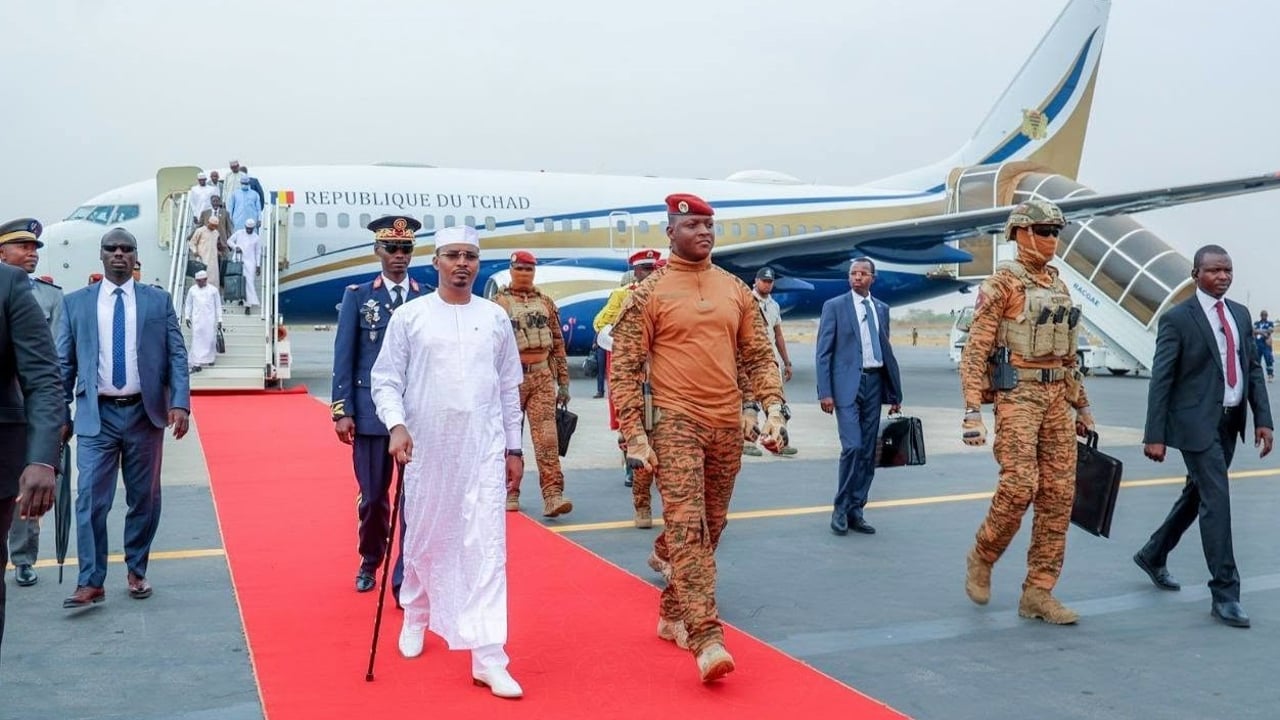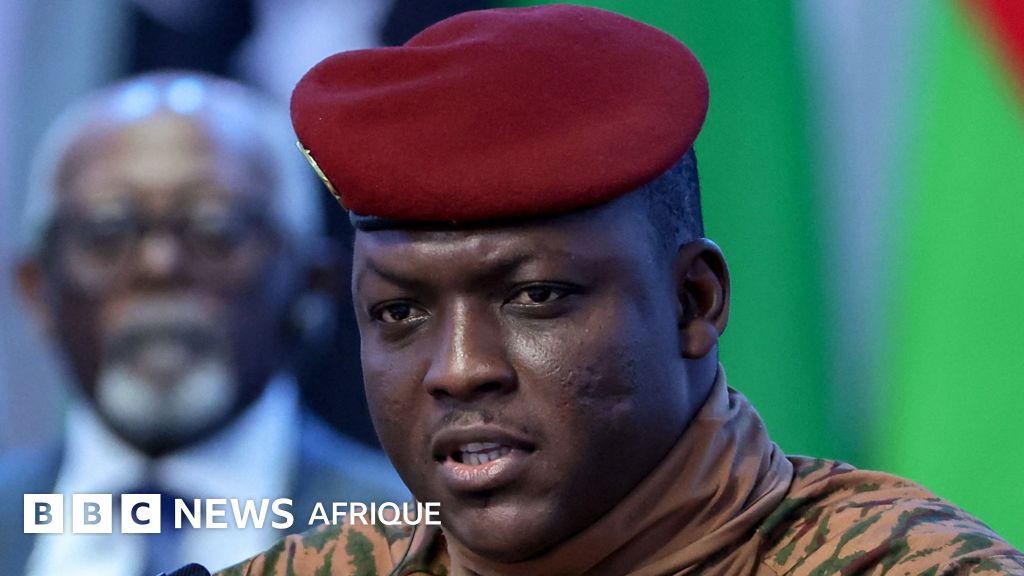
During a televised interview on state television, Burkina Faso’s military leader made a bold declaration: democracy is “killing” the nation and must be abandoned. Captain Ibrahim Traoré, who seized power in a 2022 coup, argued that the democratic system has failed Burkina Faso and the wider African continent.
From democratic promises to authoritarian rule
Traoré initially pledged to restore civilian rule by July 2024, but his transitional government has since extended its mandate by five years, citing the need for stability amid ongoing jihadist violence. In January 2026, authorities banned all political parties, claiming they were obstacles to national reconstruction. The move consolidated power under the military junta while silencing opposition voices.
“People must forget about democracy. It’s not for us,” Traoré stated during the interview. He went further, suggesting that Western-imposed democratic models have only brought chaos to Africa, pointing to Libya as a cautionary example where post-Gaddafi instability has persisted for over a decade.
A radical departure from conventional governance
The 38-year-old leader, who portrays himself as a revolutionary fighting Western imperialism, dismissed political parties as inherently corrupt. “In Africa—at least in Burkina Faso’s case—a real politician embodies all the vices: a liar, a flatterer, a smooth talker,” he asserted. Instead, he proposed an untested “alternative approach” rooted in sovereignty, patriotism, and grassroots mobilization, with traditional leaders playing a central role.
Traoré emphasized economic and military self-reliance, criticizing the 8-hour workday as insufficient for Burkina Faso’s development. “Six or eight hours of work won’t help us catch up with wealthier nations,” he argued, calling for a revolutionary work ethic to transform the country.
Controversial policies and mounting criticism
His administration has faced widespread condemnation for suppressing dissent. Opposition figures, journalists, and civil society groups have been targeted, with critics alleging forced conscription to frontline combat zones. Despite this, Traoré has cultivated a panafricanist image, resonating with many across the continent who share his anti-Western sentiment.
Burkina Faso, along with neighboring military-led governments in Mali and Niger, has severed ties with Western partners—particularly France—in the fight against Islamist militants. These nations have instead turned to Russia for military support, yet violence in the Sahel region continues unabated. Recent reports indicate over 1,800 civilians have been killed in Burkina Faso since Traoré’s takeover, with human rights organizations attributing two-thirds of the deaths to state forces and allied militias.
A future without democracy?
Traoré’s vision for Burkina Faso remains unclear, but his rhetoric signals a permanent shift away from electoral governance. “We have our own way. We’re not copying anyone. We’re here to completely change how things are done,” he declared. As the junta tightens its grip, the question lingers: what alternative model will replace democracy in Burkina Faso—and who will bear the cost?