A transformative 425 million USD funding injection has been secured for the rehabilitation of the 800 km Douala-Bangui economic corridor. This pivotal project, backed by the World Bank, aims to modernize trade routes and slash transit times between Cameroon and the Central African Republic.
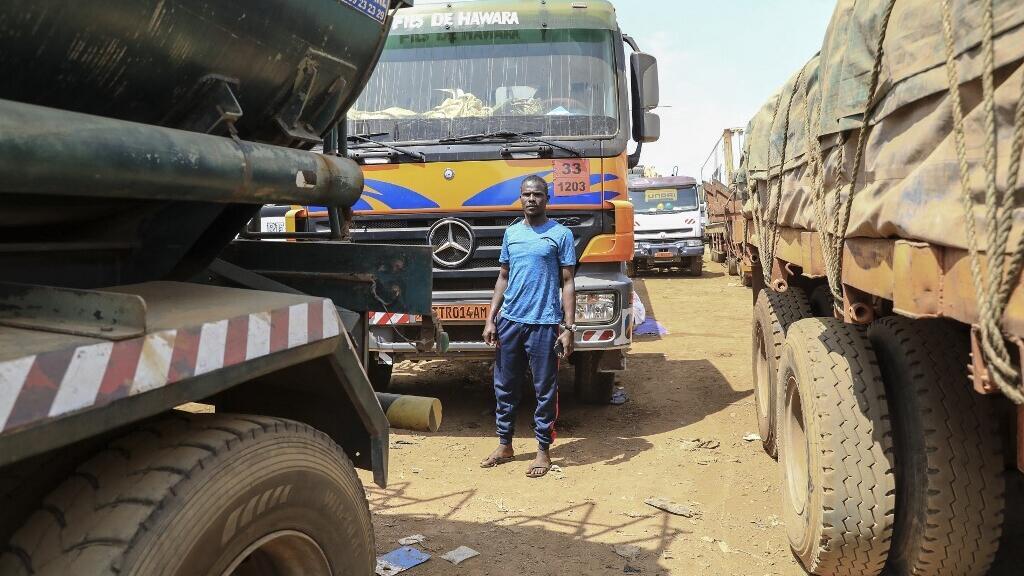
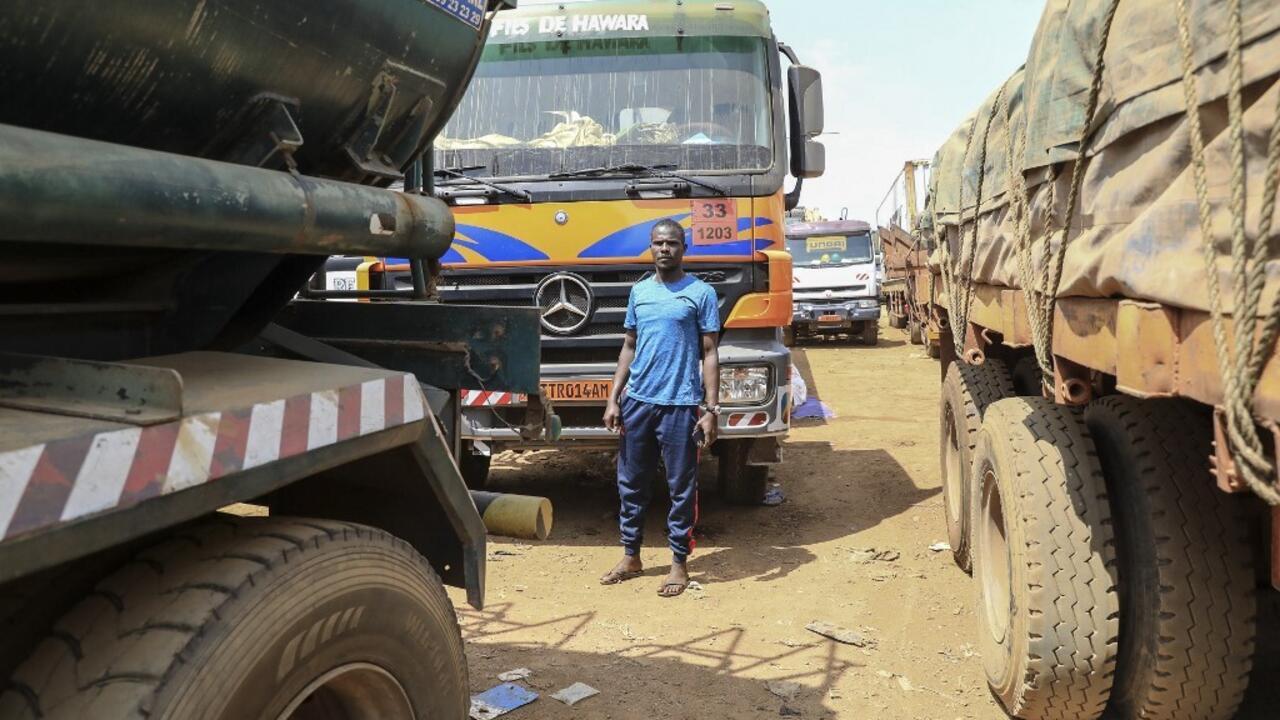
Construction is slated to begin next year on this critical trade artery that currently handles 80% of goods bound for the Central African Republic and 70% destined for Chad. The road’s deteriorated condition and excessive administrative bottlenecks—with 17 informal checkpoints—currently extend transit times to between 9 and 12 days for the 1,400 km journey.
Modernizing the trade highway
The World Bank’s financing will prioritize Cameroon initially, with 425 million USD allocated for the first phase. An additional 90 million USD will support Central African Republic’s infrastructure upgrades, while regional technical assistance prepares for subsequent project stages. «This corridor will introduce automated weighing stations that will pre-screen vehicles, targeting only those suspected of overloading. Fines will be automatically recorded and receipts printed on the spot», explains Donnat Takueté, Director General of Public Works Studies in Cameroon.
The project’s scope includes reconstructing the 215 km Yaoundé-Douala highway and rehabilitating the 332 km Yaoundé-Bonis-Ayos section. The full 800 km program aims to enhance economic connectivity and efficiency.
Economic impact and employment
Beyond infrastructure improvements, the corridor revamp is expected to generate between 2,000 and 4,000 direct and indirect jobs throughout the project’s multi-year timeline. Anne-Cécile Souhaid, World Bank Director for West and Central Africa, emphasizes the broader strategic vision: «For the first phase, Cameroon receives 425 million USD, while Central African Republic benefits from 90 million USD. Regional support through CEMAC will also prepare future project phases».
The economic corridor between Douala and Bangui represents more than just a transport link—it’s a catalyst for regional integration and sustainable development across Central Africa.