Cameroun president absence triggers controversy over constitutional ambiguity
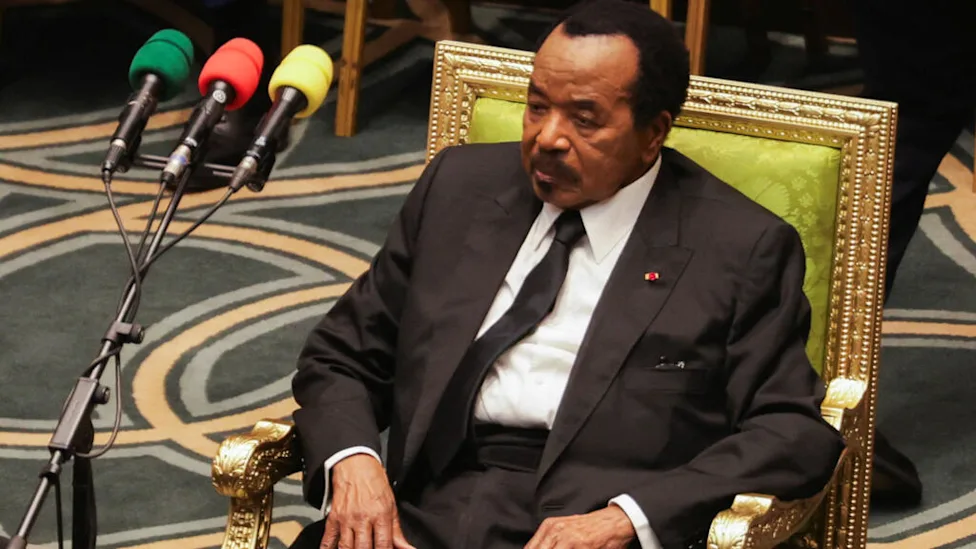
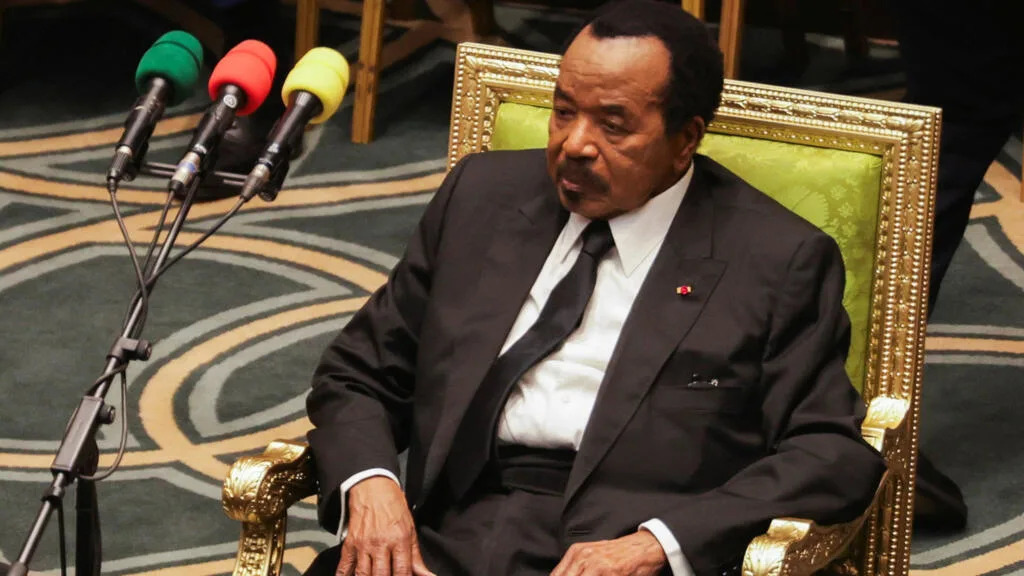
Addressing claims of an unconstitutional power vacuum, Jacques Fame Ndongo, Cameroon’s Minister of State, dismisses the controversy as a ‘legal and political absurdity. He emphasizes that no law or regulation in Cameroon specifies a maximum duration for the absence of the Head of State from national territory.
According to Ndongo, attempts to apply a non-existent constitutional provision to President Paul Biya would amount to ‘a creative and baseless interpretation by those lost in legal quicksand.’
The Minister further asserts that the 83-year-old leader, in power since 1982, remains actively engaged, meticulously reviewing files either in person or through widely accessible digital means.
‘This is not a retreat—it’s a de facto exile’
The Movement for the Renaissance of Cameroon (MRC), led by opposition figure Maurice Kamto, swiftly countered Ndongo’s remarks. Mamadou Mota, the party’s Vice-President, questioned the threshold at which prolonged absence undermines the legitimacy of supreme leadership. ‘Forty-five days abroad isn’t a temporary stay—it’s a de facto exile,’ Mota argued.
The MRC mocked the notion of Cameroon operating as ‘the world’s first nation governed by covert remote work,’ implying that President Biya’s digital oversight of governance lacks transparency.