
Is a federal Cameroon within reach once more?
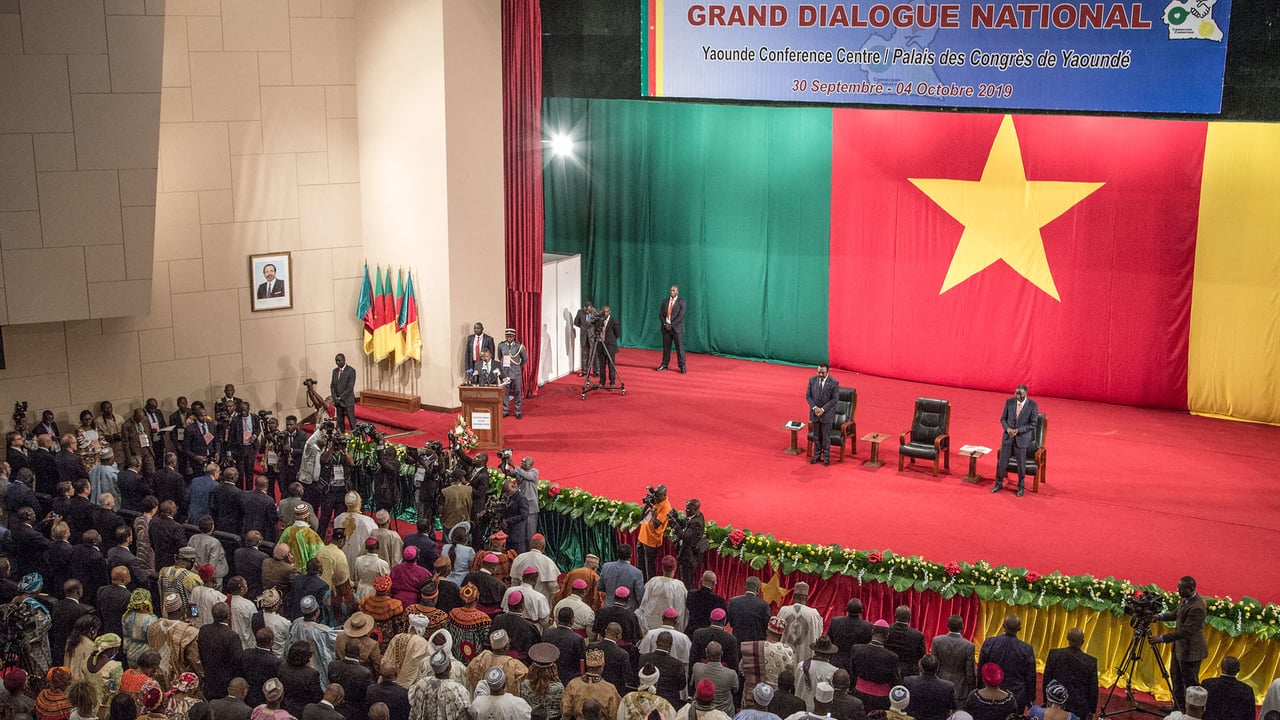
The question of reviving Cameroon’s federal structure has resurfaced in national debates, raising hopes for a resolution to the long-standing Anglophone crisis. While the government initiated a national dialogue in September 2019, led by Prime Minister Joseph Dion Ngute, the ambitions of a breakthrough remain constrained by the absence of key separatist leaders. The ongoing conflict in the Anglophone regions continues to fuel demands for greater autonomy, bringing federalism back into the spotlight.
Origins of the federal debate
The idea of a federal Cameroon is not new. Historically, the country operated as a federation from 1961 to 1972, uniting French-speaking and English-speaking regions under a shared governance model. The shift to a unitary state under President Paul Biya marked the end of this structure, leaving lingering grievances among Anglophone communities. Today, calls for federalism are driven by a desire to address historical marginalization and restore regional balance.
Challenges to federalism’s revival
Despite growing support for federalism, significant obstacles stand in the way. The Anglophone crisis, which erupted in 2016, has deepened divides, with separatist factions rejecting government proposals. The refusal of prominent rebel figures to participate in the 2019 dialogue underscored the challenges of reconciliation. Additionally, political resistance within the ruling elite complicates efforts to revisit constitutional reforms.
Economic disparities between regions further complicate the debate. Proponents of federalism argue that a decentralized system could foster local development and reduce inequalities. However, skeptics warn that federalism might exacerbate fragmentation and weaken national cohesion.
Public sentiment and political dynamics
Public opinion on federalism is divided. While some view it as a viable solution to the Anglophone crisis, others fear it could destabilize the country. Political parties and civil society groups remain split, with some advocating for a return to federalism and others insisting on maintaining the current system. The government’s stance has been cautious, emphasizing gradual reforms rather than radical changes.
As Cameroon navigates these challenges, the future of federalism hangs in the balance. The outcome will depend on the government’s ability to engage all stakeholders, address historical grievances, and balance regional demands with national unity.