Chad’s educational crisis: confronting school indiscipline together
In Chad, escalating school indiscipline threatens the development of future leaders. A collective effort involving schools, families, and society is vital to restore order and secure the nation’s future.
By Katchibé Mapagne
A quiet yet profound crisis is unfolding within Chad’s educational system. Across numerous institutions, a noticeable erosion of discipline directly jeopardizes the preparation of the nation’s future leaders. This escalating national concern demands a shared sense of responsibility among schools, families, and society as a whole.
Disrespect towards educators, frequent altercations, the pervasive misuse of mobile phones during class hours, damage to school property, and acts of aggression are behaviors that, once uncommon, are now alarmingly prevalent. These trends are a source of deep anxiety for teachers, school administrators, and parents alike.
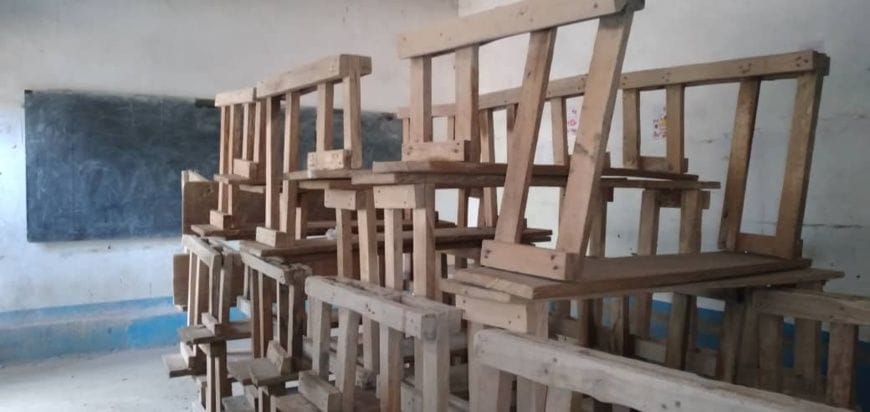
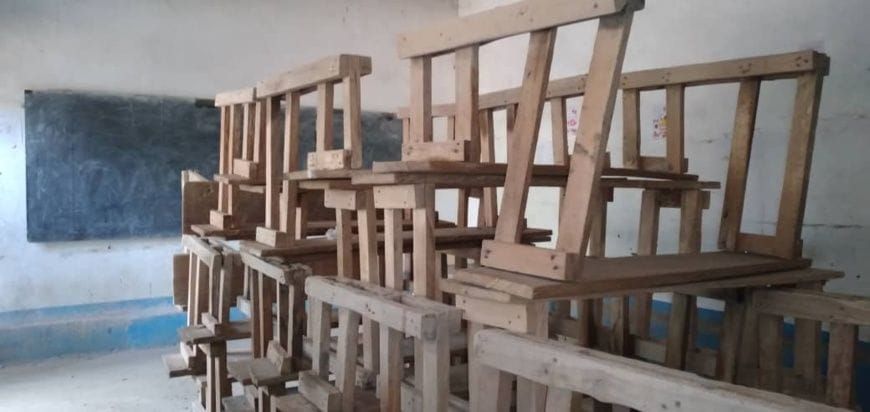
This troubling reality is no longer a secret. In many high schools and colleges, from the capital N’Djamena to the country’s interior, academic sessions are routinely disrupted. Teachers report an increasingly strained atmosphere where maintaining student focus, order, and respect often feels like an impossible feat. Confronted by students who are increasingly resistant to authority, many education professionals feel powerless, despite established internal regulations and prescribed disciplinary measures.
However, the family remains the primary environment for a child’s socialization. It is within the home that children should first learn respect for authority, the value of effort, self-discipline, and appropriate boundaries. “Today, teaching is becoming progressively harder. Some students simply refuse to accept feedback or the authority of their teachers. At times, a simple reminder of the rules can provoke insults or aggressive reactions. Without active parental support at home, schools alone cannot rectify all these behavioral issues,” shared Michel Ngardiguina, a French teacher at a N’Djamena high school.
“Many parents are consumed by economic hardships and no longer adequately monitor their children. Mobile phones and social media exert enormous influence on students nowadays. We must reclaim our educational role and collaborate more effectively with teachers to safeguard our children’s future,” stated Amina Moussa, a parent encountered in Walia Barrière, N’Djamena.
Indeed, numerous parents, grappling with financial struggles, demanding family obligations, or simply a lack of time, entirely delegate this crucial upbringing to educational institutions. The consequence is that some students mature without clear guidance. They become vulnerable, without proper supervision, to external influences, notably social media and negative peer groups, without being sufficiently aware of the importance of their own education.
The school, by itself, cannot bear this entire burden. Its role is undoubtedly essential for imparting knowledge and instilling values of civic duty, discipline, and harmonious coexistence. Nevertheless, it receives children who sometimes arrive in class with already weakened educational foundations.
When fundamental values and boundaries are not firmly established within the family unit, the school finds itself on the front lines, facing behaviors that are exceedingly difficult to correct. An educational system undermined by chronic indiscipline will inevitably produce citizens ill-equipped for the demands of the modern world.
This situation now calls for a collective awakening. Neither schools nor parents can succeed in isolation. Close and consistent collaboration is imperative through several concrete actions:
- Strengthening student academic monitoring through regular meetings between parents and teachers;
- Establishing continuous dialogue with adolescents to better understand their challenges;
- Revitalizing parent-teacher associations;
- Increasing awareness campaigns on the significance of discipline and adherence to school regulations.
Chad’s future is being shaped daily within its classrooms. For a nation aspiring to development, restoring scholastic authority and reinforcing parental responsibility represent a national imperative. The time for mere observation has passed; concerted action is now essential.