The Coalition Article 64 for the defense of constitutional order (C64) concluded its visit to Bujumbura on July 9, 2026, following a meeting with Burundian President Évariste Ndayishimiye. The delegation, led by prominent figures including Martin Fayulu, clarified early on that they had not requested the encounter, which was reportedly initiated by the Burundian leader in his capacity as African Union chairperson.
During discussions, the coalition’s representatives agreed in principle to engage in political dialogue and national cohesion efforts. However, they set clear red lines: an immediate and public abandonment of the constitutional amendment project, the release of all political prisoners, a halt to politically motivated prosecutions, and the restoration of public freedoms. For the C64 leaders, these conditions are non-negotiable prerequisites for any meaningful negotiation.
Core principles must guide dialogue, say coalition
In their view, previous peace processes failed because they overlooked the political roots of Congo’s crisis. The current constitutional reform proposal, pushed by President Félix Tshisekedi amid ongoing conflict and territorial occupation, is a critical issue that must be addressed, they argue. The coalition insists on upholding institutional order and rejects the revision outright.
Upcoming protest demands systemic change
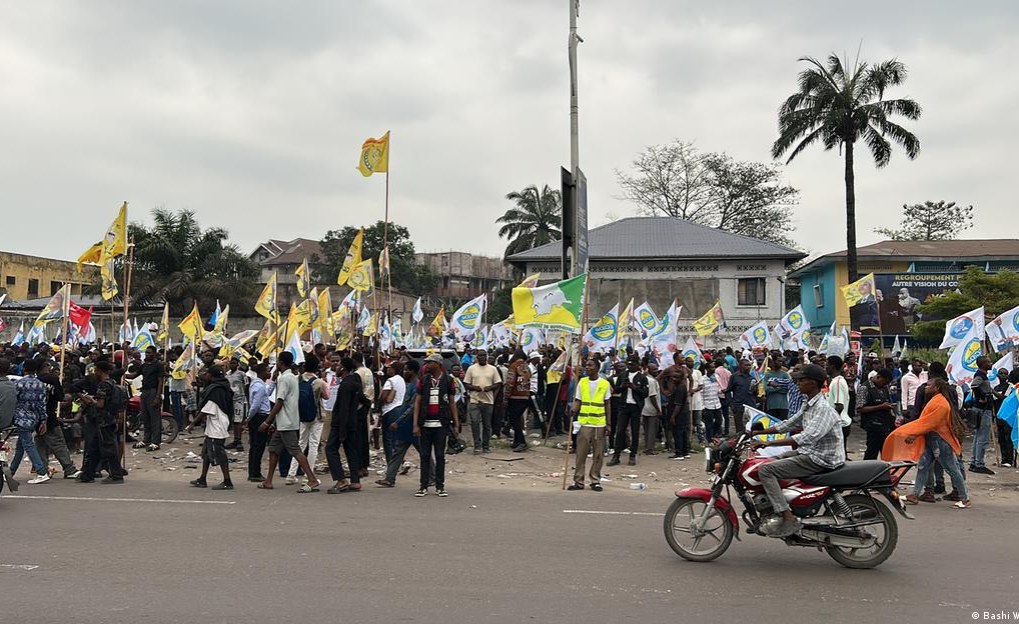
On July 22, 2026, C64 plans a peaceful march to the Palais de la Nation, calling for President Tshisekedi’s resignation. They allege he has violated his constitutional oath. The demonstration will highlight the coalition’s demands for political accountability and structural reform in the Democratic Republic of the Congo.