The escalating terror threat from the Sahel has thrust Nigerien and Togolese border regions into the crosshairs, and now a shadow of controversy hangs over the presence of foreign military and paramilitary personnel in Lomé. A united front of opposition coalitions and civil society movements has broken their silence with a joint statement that directly challenges the administration of President Faure Gnassingbé.
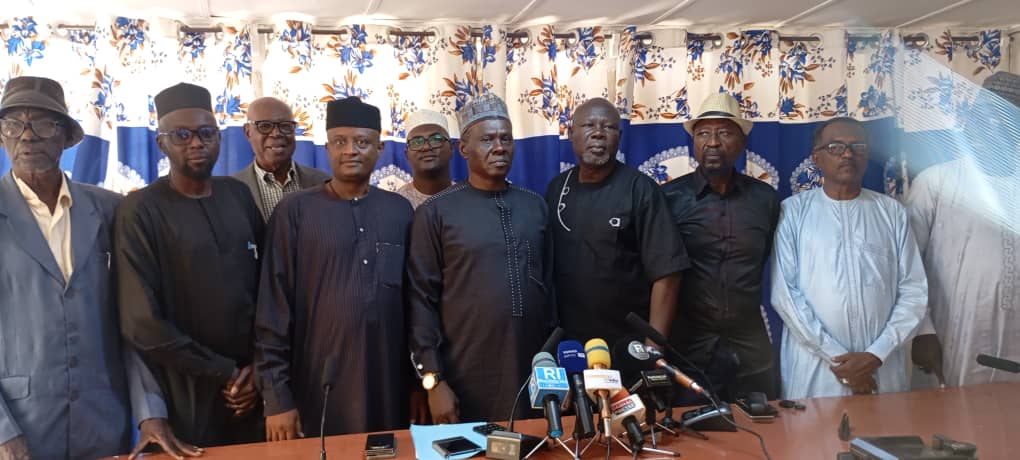
In a bold move on 20 July 2026, the Dynamique Monseigneur Kpodzro (DMK), the Dynamique pour la majorité du peuple (DMP), the Lumière pour le développement dans la paix (LDP) and the Front « Touche pas à ma Constitution » issued a collective call for accountability. At the heart of their concerns lies the opaque deployment of foreign security operatives—particularly in the northern Savanes region, a zone under growing pressure from armed groups crossing porous borders.

Demanding clarity on foreign security missions in Togo
The opposition alliance does not outright reject the principle of international security cooperation, but insists that every intervention must be conducted under full public scrutiny. Their statement underscores the need for official disclosure regarding the legal basis, operational scope and chain of command governing the activities of foreign personnel on Togolese soil.
Among the most pressing questions raised are the suspected presence of the Africa Corps—a restructured Russian security mission—and the reported involvement of the Turkish private military company SADAT, said to be providing training and technical support. While unverified reports suggest up to 350 Russian operatives may be deployed, the government has yet to confirm any figures or provide transparent documentation.
Sovereignty, legality and the cost of foreign military presence
The opposition coalition highlights three critical areas of concern:
- Command structure and legal compliance: They insist that all foreign personnel must operate under the exclusive authority of the Togolese Armed Forces (FAT) and in strict adherence to national and international law.
- Protection of civil liberties: There are serious fears that foreign units could be drawn into domestic policing, surveillance or political repression—activities that fall outside the mandate of external security partners.
- Public financial scrutiny: With no parliamentary debate or public disclosure on the budgetary impact of these arrangements, citizens are calling for full transparency over how public funds are being allocated to foreign security contracts.
From drones to defense pacts: Lomé’s evolving security strategy
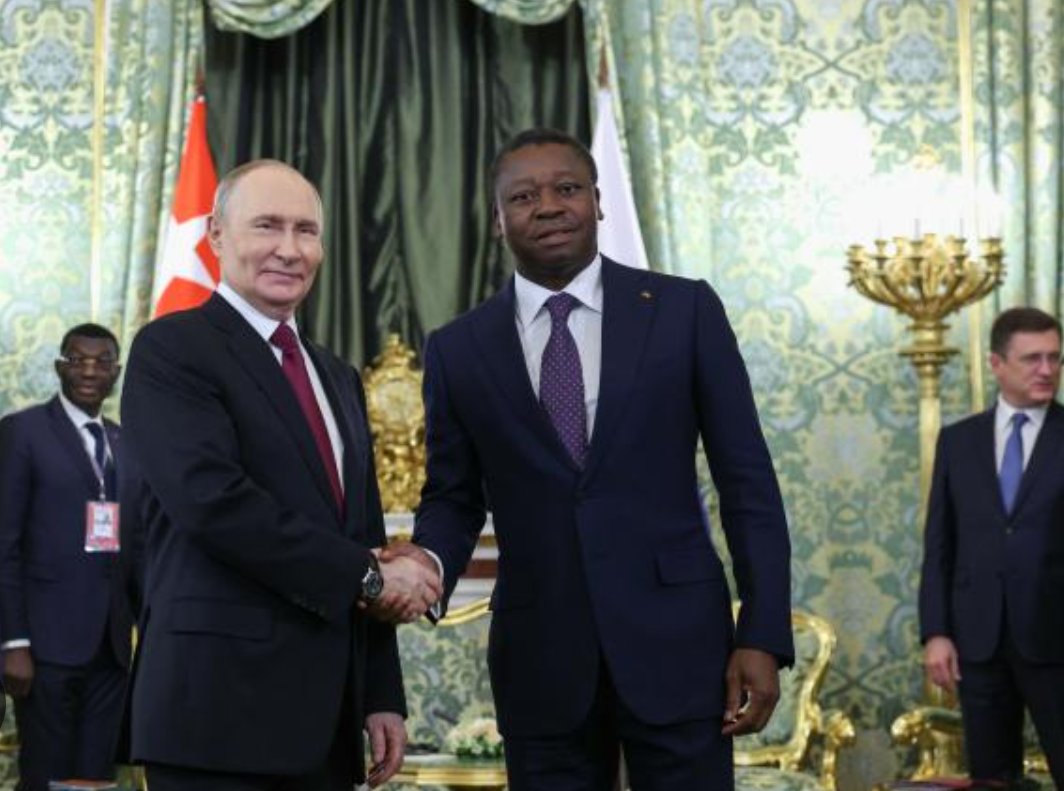
President Gnassingbé’s government has been quietly reshaping Togo’s defense alliances, moving away from traditional Western partners toward new collaborations with Ankara and Moscow. Since 2021, the country has acquired Bayraktar TB2 combat drones from Turkey and signed military cooperation agreements focused on intelligence sharing, officer training and joint exercises. These efforts are now formalized in the Togo-Sahel Strategy 2026–2028, a government roadmap aimed at halting the southward push of jihadist forces toward the Atlantic coast.
Yet, as the opposition rightly points out, such strategic decisions cannot remain confined to closed-door negotiations. In a region marked by political upheaval and shifting geopolitical alliances, public clarity is not just desirable—it is essential to prevent security partnerships from becoming a source of internal division and mistrust.
With the nation watching, the government faces mounting pressure to respond. The call for a national debate on foreign military presence is growing louder, and the demand for answers—on legal frameworks, operational transparency and fiscal responsibility—cannot be ignored without risking deeper political fractures.