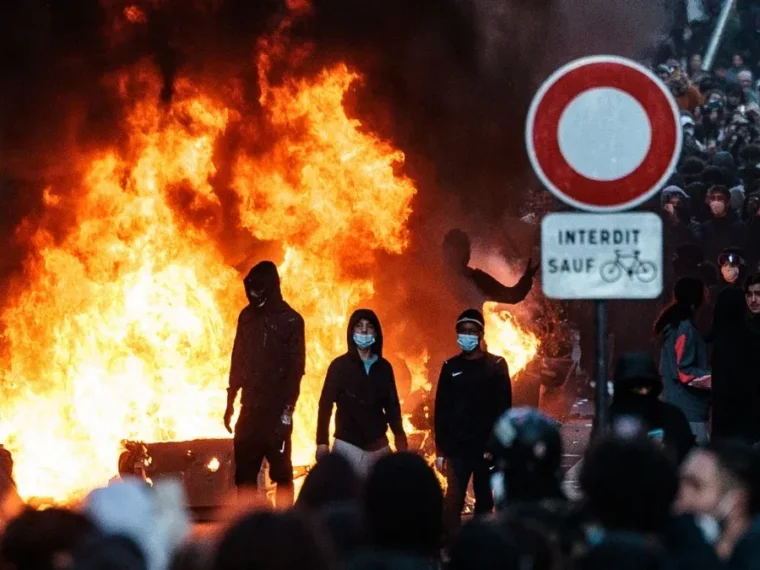
Cracked shopfronts, riot police clashes, blazing trash bins, and tear gas clouds—every flare-up of unrest in France sends a fresh wave of viral footage from Paris and Lyon straight to screens in Bamako, Ouagadougou, and Niamey. What Western observers label a domestic crisis, the military regimes of the Sahel now frame as irrefutable proof that their “anti-colonial” narrative is vindicated and that their grip on power is fully justified.
From demonstrations to diplomatic ammunition
The moment tear gas disperses protesters in France, social-media warriors in Burkina Faso, Mali, and Niger seize the visuals to declare victory. While international pundits dissect political instability, Sahelian state media and allied influencers repurpose the same footage to argue that France has lost the moral right to lecture others on governance, democracy, or human rights.
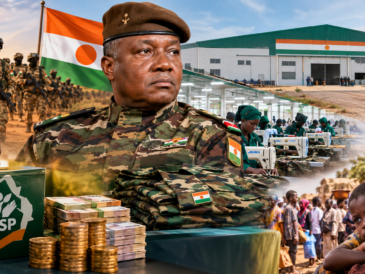
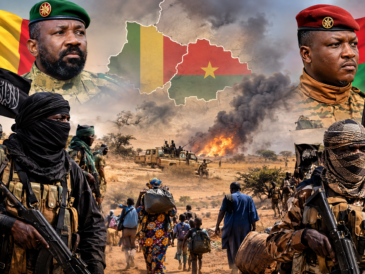
The three juntas—led by Captain Ibrahim Traoré in Burkina Faso, Colonel Assimi Goïta in Mali, and General Abdourahamane Tiani in Niger—have turned these images into a 24/7 propaganda loop. Every burning barricade in Marseille or Paris becomes a grenade tossed back at the “decadent” West, reinforcing the juntas’ claim that only an iron fist can restore true sovereignty.
How the crisis fuels four distinct strategic goals
The generals of the Alliance of Sahel States (AES) are not enjoying mere schadenfreude. Each viral clip is carefully recut and redistributed to serve clear political objectives:
- Undermine democratic legitimacy: By showcasing France’s perceived inability to maintain order while protecting free speech, junta communicators portray their own authoritarian rule as the only alternative capable of restoring stability and national pride.
- Distract from local failures: As food prices spiral and jihadist violence spreads, the endless replay of French unrest keeps Sahelian audiences mesmerised by a foreign spectacle rather than focusing on unmet promises at home.
- Accelerate the narrative of Western decline: Amplification networks, often aligned with Moscow, stitch every French protest into a global story of imperial collapse, paving the way for deeper ties with Russia, Iran, and Türkiye.
- Galvanise regional solidarity: Shared outrage at perceived French hypocrisy fosters a sense of shared destiny among AES capitals, reinforcing collective resistance to any future French-led sanctions or mediation efforts.
Mirror effect: a democracy still outshines its imitators
Independent analysts caution against equating these viral narratives with reality. The same Parisian crowds that can call their president a ‘tyrant’ without fear of arrest, or union leaders that can call months-long strikes under legal protection, demonstrate a civic space that remains unimaginable in Bamako, Ouagadougou, or Niamey.
Yet perception trumps data. Each cobblestone tossed in the streets of France chips away at the continent’s image of France as a bastion of democracy. The more the videos circulate, the more the juntas’ claim finds traction—that the era of Western moral leadership is over and their own brand of “sovereign authoritarianism” is the future.
The long-term cost for France and beyond
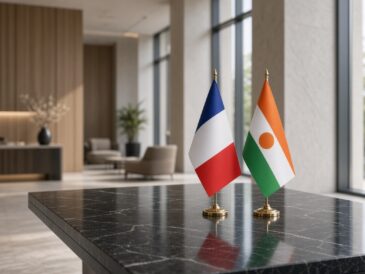
Diplomatic credit is the first casualty. Every viral clip becomes a wedge driven between Paris and its former partners. African publics that once respected French democratic rhetoric now weigh it against the images of crumbling storefronts and burnt-out cars, concluding that Paris’s lectures on governance ring hollow.
The generals of the Sahel understand something fundamental: in the court of public opinion, emotion trumps evidence. By weaponising France’s domestic turbulence, they do not just score propaganda points; they rewrite the rules of engagement for Africa’s next political cycle.