Deadly drone strikes and mass casualties: a shadow over Mali’s conflict
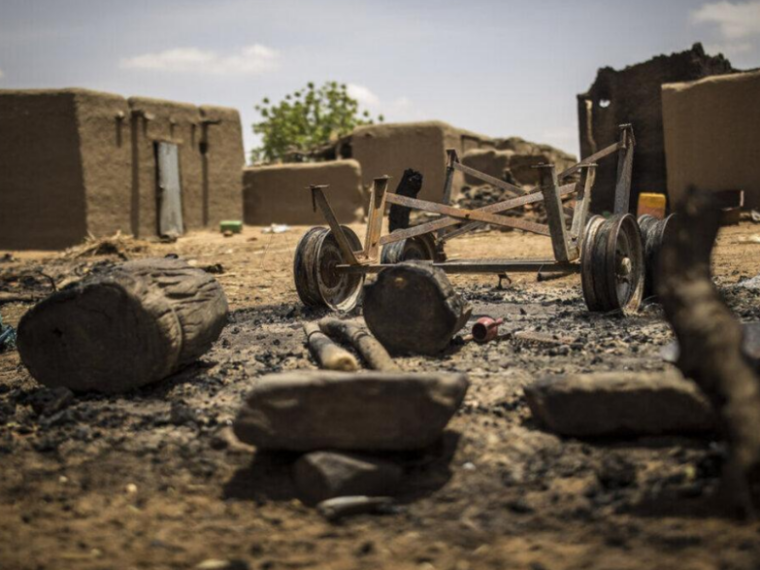
Civilian fatalities in Mali’s prolonged armed conflict have surged, with widespread abuses documented by human rights monitors. A new report details indiscriminate violence targeting non-combatants in central and northern regions, implicating both government-aligned forces and armed insurgent groups. Civil society leaders and conflict analysts warn the situation demands immediate regional intervention.
Documenting war crimes: key incidents in the spotlight
The investigation, based on field interviews conducted between July and September 2026, uncovers multiple incidents violating international humanitarian law. Among the most alarming:
- Market massacre in Bandiagara: A drone strike on a livestock market in Tombonkore on 19 August killed six civilians and injured over 20 others. No armed fighters were reportedly present at the time of the attack, raising concerns over disproportionate force.
- Healthcare infrastructure destroyed: On 29 July, a military drone struck a medical facility in Talahandak, Kidal region, severely damaging a lifeline for local communities. The attack occurred despite explicit protections granted to medical structures under conflict rules.
- Rice field killings: Five girls aged 10 to 13 were fatally shot by Malian soldiers near Niono on 12 July. The military cited mistaken identity following an earlier ambush, but the incident underscores failures in distinguishing civilians from combatants.
Insurgent violence fuels humanitarian collapse
Armed groups operating in northern Mali have also escalated atrocities. On 18 July near Tabrichat, Gao region, combatants from the Al-Qaeda-affiliated Group for Support of Islam and Muslims (GSIM) and the Azawad Liberation Front (FLA) ambushed a military convoy. Survivors reported torture and executions of at least 19 captured soldiers—violations that constitute war crimes under international law.
The report highlights systemic failures to uphold protections for prisoners and non-combatants, emphasizing that all conflict parties must comply with established codes of war, regardless of military objectives.
Call for accountability: AU urged to act on Mali’s civilian toll
The crisis has reached a breaking point, with human rights organizations pressing the African Union’s Peace and Security Council to convene an emergency session on civilian protection. Recommendations include:
- Mandating independent investigations into all reported abuses across the conflict spectrum;
- Establishing mechanisms for regular public reporting on accountability measures;
- Ensuring victims and families receive truth and reparations where applicable.
Human Rights Watch submitted findings to Mali’s Defense Ministry on 5 August but has yet to receive a response. The absence of official feedback underscores systemic challenges in documenting atrocities and holding perpetrators accountable.
Protecting civilians: a litmus test for Mali’s future
The report frames civilian protection not just as a moral imperative but as a prerequisite for sustainable peace. With communities caught between military operations, reprisals, and armed group intimidation, the lack of accountability threatens to deepen social fractures and fuel further violence. Only rigorous enforcement of international law and transparent investigations can break this cycle of impunity and restore trust in Mali’s democratic and security institutions.