Benin finalizes $450 million funding package to boost infrastructure development
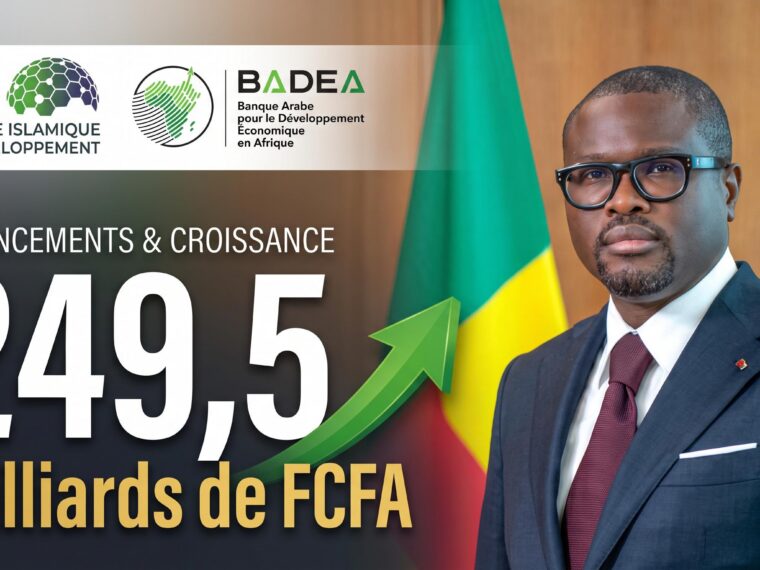
The government of Benin has successfully closed three financing agreements totaling 249.5 billion CFA francs ($450 million) with the Islamic Development Bank (IDB) and the Arab Bank for Economic Development in Africa (BADEA) during the October 2026 annual meetings of the International Monetary Fund (IMF) and World Bank in Bangkok. This financial mobilization underscores the country’s strategic approach to funding infrastructure while maintaining strict debt sustainability principles.
These agreements represent a significant milestone in Benin’s ongoing efforts to diversify its funding sources and accelerate economic transformation through targeted infrastructure investments. The financing will support critical development projects while demonstrating the government’s commitment to responsible fiscal management in an increasingly complex global financial landscape.
Key advantages of multi-source financing strategy for Benin
By securing funds from both Islamic and Arab development institutions, Benin gains several strategic benefits:
- Enhanced financial credibility: The agreements with IDB and BADEA validate the country’s improved financial standing and reform momentum
- Diversified funding base: Reduces dependency on traditional Western financing sources and spreads financial risk
- Competitive financing terms: Access to concessionary loans with favorable interest rates and extended repayment periods
- Development alignment: Funds can be targeted specifically to infrastructure projects with high economic multipliers
Debt management takes center stage in financing strategy
Contrary to common misconceptions, responsible borrowing remains a legitimate tool for economic development when properly managed. The 249.5 billion CFA franc package demonstrates Benin’s sophisticated approach to debt sustainability:
The financing will support infrastructure that generates economic returns through:
- Improved transport connectivity between economic hubs
- Enhanced power generation capacity meeting growing demand
- Modernized public infrastructure improving service delivery
- Economic zones development stimulating private sector growth
The government emphasizes that borrowed funds must create tangible economic value exceeding their service costs through increased productivity, expanded tax bases, and job creation.
Fiscal consolidation achieves measurable results
Recent IMF assessments confirm Benin’s substantial progress in fiscal management:
- Budget deficit narrowed from 7.2% of GDP in 2021 to 3.1% in 2024
- Public debt ratio improved despite statistical reclassifications
- Revenue mobilization increased through tax administration reforms
- Public expenditure rationalized without compromising essential services
These achievements have strengthened investor confidence and improved the country’s financial reputation in international markets. The improved ratings position Benin favorably when negotiating new financing packages.
From financing to tangible development outcomes
The ultimate test of these financing agreements will be their conversion into visible development benefits for Benin’s citizens:
Key implementation priorities include:
- Transparent project selection: Infrastructure investments must align with national development priorities and regional needs
- Efficient execution: Project timelines must be strictly adhered to prevent cost overruns
- Independent verification: Third-party audits will ensure funds are used as intended
- Performance monitoring: Regular impact assessments will measure economic and social returns
The government has committed to publishing detailed project information and establishing monitoring mechanisms to maintain public trust in the process.
Balancing growth ambitions with financial discipline
Benin’s latest financing agreements represent more than just a capital injection—they test the country’s ability to balance ambitious development goals with fiscal responsibility. The success of this approach depends on several critical factors:
- Strict adherence to agreed loan terms and conditions
- Continuous improvement in public financial management systems
- Transparent reporting on project progress and outcomes
- Proactive debt management to anticipate future repayment challenges
The government views these financing arrangements as part of a broader strategy to position Benin as a competitive investment destination in West Africa, where infrastructure quality directly impacts economic competitiveness.
Building sustainable economic foundations
As Benin implements these new infrastructure projects, the country faces a pivotal moment in its development trajectory. The challenge now is to ensure that each franc invested generates maximum economic and social return:
Success will be measured by:
- Improved regional connectivity and reduced transport costs
- Increased access to reliable electricity for businesses and households
- Enhanced public service delivery in healthcare, education, and water supply
- Creation of sustainable employment opportunities through new economic activities
The quality of these financing agreements will ultimately be determined not by the amounts secured, but by their lasting impact on Benin’s economic landscape and quality of life for its citizens.