Deadly drone strike targets Abyei’s Amiet market amid escalating regional tensions
A suspected drone strike on a bustling market in Abyei has left at least 73 civilians dead and 19 injured, according to local officials. The attack, which struck the Amiet market—a key commercial hub in the disputed region—has triggered sharp diplomatic condemnation from South Sudan’s government, fuelling concerns over cross-border stability.
The government in Juba summoned Sudan’s ambassador on October 19, 2026, to protest the strike and demand accountability. While no immediate claim of responsibility has been made, preliminary assessments point to Sudanese military involvement, though Khartoum has not yet responded to the accusations.
Market struck during peak activity, complicating rescue efforts
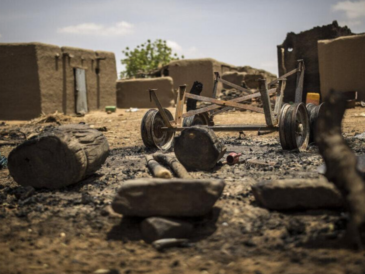
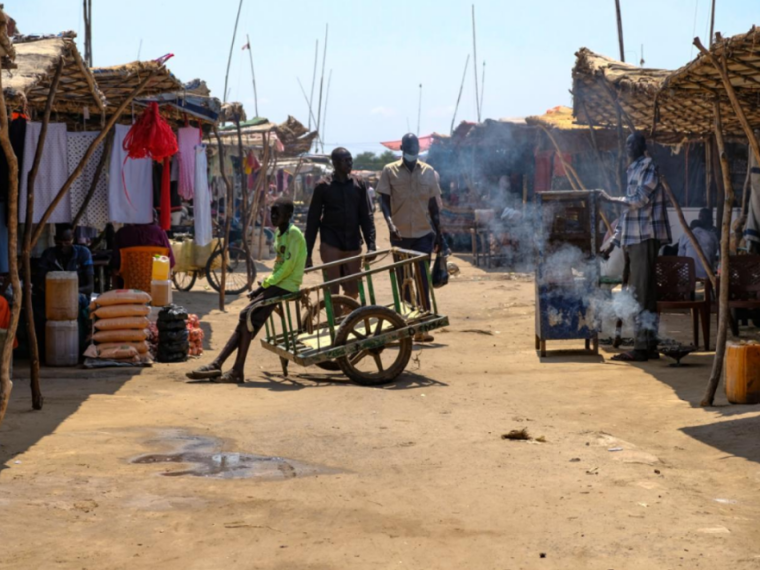
The attack occurred around midday on October 20, 2026, hitting multiple sections of the Amiet market, a vital trade center for fuel, food, construction materials, and medicine. Witnesses described multiple explosions followed by fires, which hindered rescue operations due to thick smoke and the presence of flammable materials.
Local authorities reported that the strike may have targeted areas where fuel was stored, though the full extent of the damage and casualties remains preliminary. The market serves as a lifeline for communities on both sides of the Sudan-South Sudan border, where economic activity remains heavily intertwined despite decades of conflict.
Juba condemns strike as Khartoum denies allegations
South Sudan’s Ministry of Foreign Affairs condemned the attack as a blatant violation of civilian protection, urging Sudan to refrain from actions that endanger lives in border regions. The government called for adherence to diplomatic frameworks to resolve Abyei’s long-standing territorial dispute, emphasizing the need for dialogue over military escalation.
Meanwhile, Khartoum has not issued an official response to the accusations, leaving the circumstances of the attack shrouded in uncertainty. The lack of clarity underscores the urgency of an independent investigation to determine whether the strike was deliberate, misdirected, or an unintended consequence of broader hostilities.
Abyei’s unresolved status fuels regional instability
Abyei has been a flashpoint in Sudan-South Sudan relations since South Sudan’s independence in 2011. The region’s strategic oil reserves and trade routes make it a focal point for both nations, but its disputed status has prevented a permanent settlement. Temporary agreements have repeatedly failed, with political rivalries and community disputes exacerbating tensions.
The ongoing war in Sudan—where paramilitary forces and the national army have clashed since 2023—has further destabilized cross-border trade. Displaced populations and disrupted supply chains have placed immense pressure on civilians, who rely on markets like Amiet for survival.
International law and civilian protection under scrutiny
The strike has reignited debates over compliance with international humanitarian law, which mandates that parties to a conflict distinguish between combatants and civilians. Markets, schools, and clinics are protected under these rules, yet repeated violations in conflict zones—including Abyei—have become a disturbing pattern.
In the aftermath, priorities include evacuating the wounded, identifying victims, and establishing a verifiable casualty count. Families remain in limbo, while aid workers race against time to assist survivors under precarious conditions.
Will diplomacy prevent further escalation?
The diplomatic row between Juba and Khartoum opens a critical window for crisis management. Should both sides prioritize dialogue over retaliation, the incident could serve as a turning point toward de-escalation. However, if unaddressed, the strike risks becoming yet another chapter in the cycle of violence plaguing the region.
As investigations unfold and tensions simmer, the question remains: Will this tragedy lead to justice for the victims, or will it be another forgotten casualty of a conflict with no end in sight?