Gabon’s diplomatic shift: Oligui Nguema turns African visits into economic action
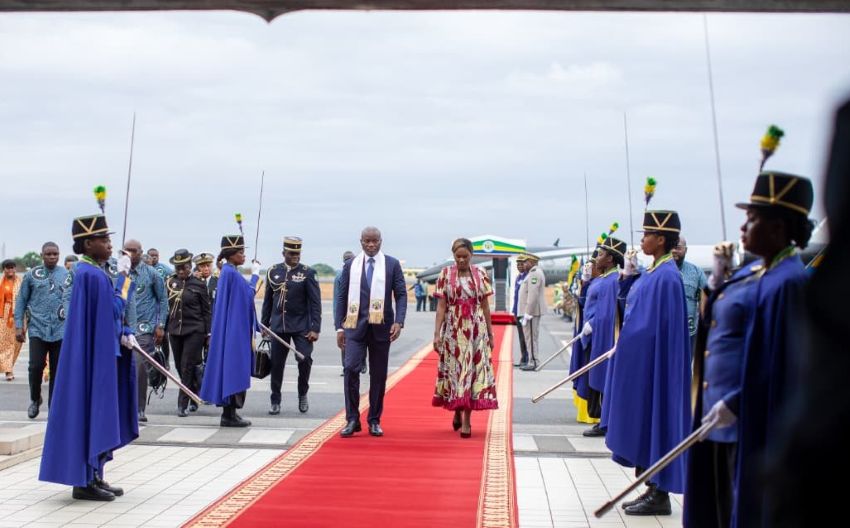
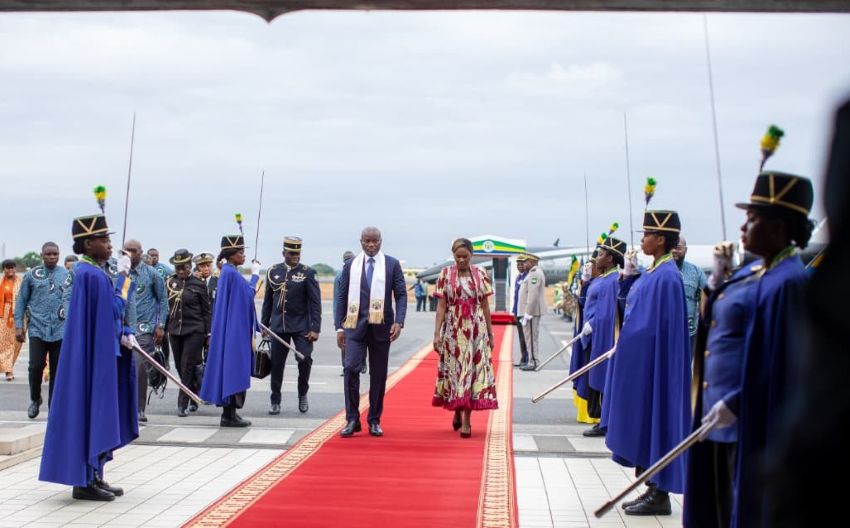
Libreville, August 8, 2026 — The African tour conducted by President Brice Clotaire Oligui Nguema from July 27 to August 7, 2026, has concluded with a clear message: diplomacy must now yield tangible outcomes for Gabon. Upon returning to Libreville last Friday, the Gabonese leader emphasized that the true measure of success lies not in diplomatic handshakes but in the concrete results that follow.
The 12-day journey across multiple African capitals was far from a routine diplomatic exercise. It represented a strategic pivot toward economic transformation, where foreign policy is no longer confined to state relations but extends to fostering investment, infrastructure development, job creation, and market expansion.
Diplomacy with a development focus
The tour’s agenda was meticulously designed to go beyond political courtesies. Meetings in Côte d’Ivoire, among other destinations, centered on critical sectors such as energy, agriculture, infrastructure, trade, and vocational training. This approach underscores a fundamental shift: Gabon’s foreign policy is now being leveraged as a tool to accelerate national economic growth.
In Abidjan, President Oligui Nguema examined industrial and urban projects, toured key infrastructure sites, and engaged with private sector leaders, including representatives from NSIA and Aurion Capital. These interactions were not merely diplomatic niceties; they were strategic efforts to position Gabon as an attractive destination for investment and collaboration.
From solidarity to economic interdependence
The vision driving this tour is rooted in a broader ambition: to deepen Gabon’s integration within Africa by fostering mutually beneficial economic partnerships. The visit to Côte d’Ivoire served as a case study in how proactive infrastructure development and industrialization can enhance a nation’s economic influence in the region.
The Ivorian model—marked by expanding factories, urban mobility systems, and strategic development projects—provided President Oligui Nguema with practical insights to inform Gabon’s own economic strategy. This approach transforms cooperation from mere state-to-state diplomacy into a dynamic framework for learning, financing, and industrial partnership.
The test of implementation
Now that the tour has concluded, the real challenge begins: translating diplomatic agreements into tangible progress. The success of this initiative will be determined by measurable outcomes—how many investments materialize, how many jobs are created, which infrastructure projects break ground, and how many new markets open for Gabonese businesses.
The return to Libreville marks the transition from promises to action. While the tour strengthened Gabon’s diplomatic positioning, its true value will be judged by its impact on the ground. The next phase demands rigorous execution to ensure that this new diplomatic approach becomes a catalyst for real economic transformation.
The challenge ahead is clear: to harness the momentum of this diplomatic offensive and convert it into a driver of sustainable development. For Gabon, the era of diplomacy as a showcase is over. The focus must now be on using foreign policy as a lever for economic progress.