Government takes delivery of RHDP’s blueprint to overhaul electoral governance
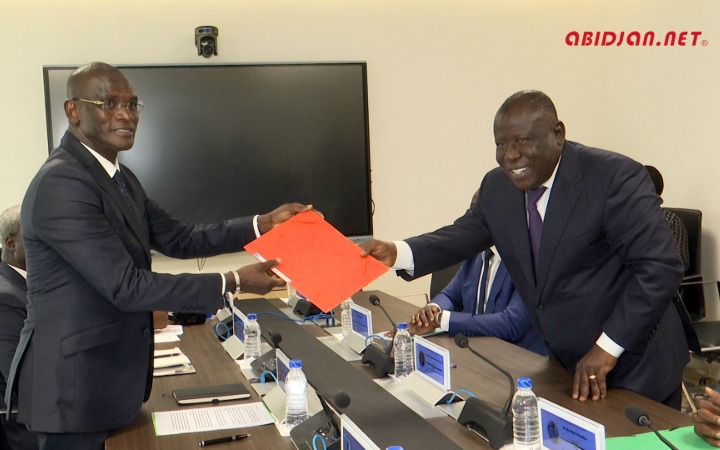
The Ivorian government has formally received a comprehensive proposal package from the Rassemblement des Houphouëtistes pour la Démocratie et la Paix (RHDP) aimed at establishing a new independent electoral body. The submissions were handed over during a high-level meeting at the Ministry of Interior on October 15, 2026, marking a decisive step in the country’s electoral reform agenda.
What’s inside the RHDP proposal for a new electoral commission
The RHDP’s proposals outline several structural and operational reforms designed to enhance the credibility and transparency of future elections in Côte d’Ivoire. Key elements include:
- Composition rules: Stricter eligibility criteria for commission members, including mandatory expertise in electoral law, constitutional law, and public administration
- Selection process: A transparent, multi-stakeholder appointment mechanism involving civil society, the judiciary, and political parties
- Operational independence: Financial and administrative autonomy from government influence, with dedicated funding allocated in the national budget
- Technological upgrades: Implementation of biometric voter registration systems and real-time vote tabulation platforms to minimize human error and manipulation risks
- Legal safeguards: Enhanced penalties for electoral fraud and clearer dispute resolution procedures for election-related complaints
The proposals also include a phased implementation roadmap, beginning with pilot programs in regional capitals before nationwide rollout ahead of the 2027 legislative and presidential elections.
Reactions and implications for Ivorian democracy
Political analysts and civil society stakeholders are evaluating the RHDP’s proposals with cautious optimism. While many recognize the potential for improved election integrity, concerns linger over political interference in the selection of commission members and the timeline for full implementation.
Representatives from opposition parties have called for broader consultations to ensure the new body reflects the diversity of Ivorian society. Meanwhile, the government has signaled its readiness to engage in constructive dialogue to address these concerns and refine the proposals before final adoption.
Next steps in the electoral reform process
The government is expected to conduct a technical review of the RHDP’s proposals over the coming weeks, with a final decision anticipated before the end of November 2026. Parliamentary debate and public consultations are also planned to gather input from civil society and international partners.
If approved, the new electoral commission will be tasked with overseeing the 2027 electoral cycle, representing a critical test of Côte d’Ivoire’s commitment to democratic resilience and institutional transparency.