FBI’s arrival at Côte d’Ivoire’s economic crimes court triggers questions
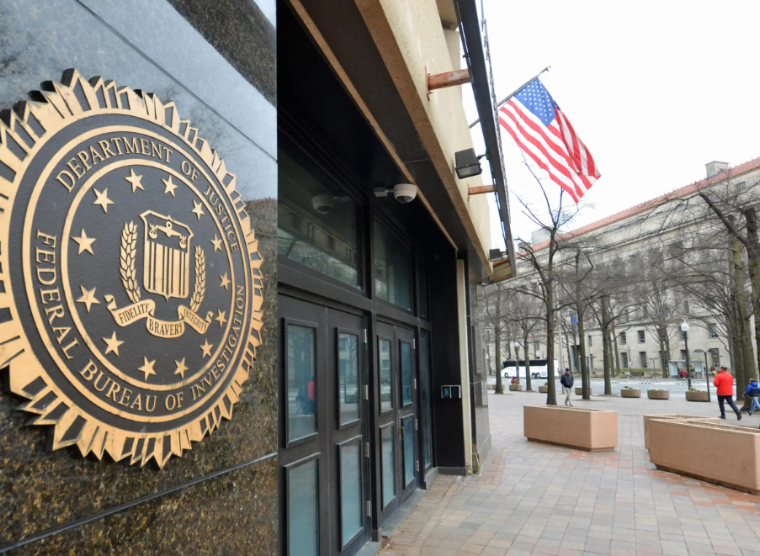
Agents from the United States Federal Bureau of Investigation (FBI) are now operating inside Côte d’Ivoire’s Pôle pénal économique et financier (PPEF) in Abidjan. The move has intensified public debate about the scope of international judicial cooperation and raised concerns over national sovereignty. Following reports of a potential corruption case involving the court, Justice Minister Jean Sansan Kambilé clarified that the FBI’s presence is not linked to any internal investigation of Ivorian magistrates. Instead, it reflects a collaborative effort to dismantle cybercrime networks, particularly those engaged in sextortion and money laundering, operating from Ivorian soil.
The cooperation comes as the U.S. seeks to address a growing threat: sextortion rings targeting American citizens from locations abroad. Through arrests and prosecutions, authorities aim to dismantle these operations and bring those responsible to justice.
Understanding sextortion: the cybercrime driving U.S.–Ivory Coast cooperation
Sextortion is a form of cyber extortion in which criminals obtain intimate images or videos of victims—often through manipulation and fake online identities—and threaten to expose them unless money is paid. The psychological toll on victims can be severe, with some cases reported to have led to suicide.
In Côte d’Ivoire, several networks have allegedly targeted victims in the United States. By infiltrating these groups, the FBI is assisting Ivorian authorities in identifying suspects, gathering evidence, and facilitating arrests. So far, near a dozen individuals have been apprehended and tried, with more cases under investigation.
The mechanics of sextortion networks
Typically, offenders create fake social media profiles, build trust over time—sometimes posing as romantic partners—and pressure victims into sharing compromising content. Once obtained, they demand payment, threatening to release the material publicly or send it to the victim’s family. The financial and emotional damage can be devastating.
Minister Kambilé confirmed that some sextortion cases involving U.S. victims originated from Côte d’Ivoire. This has prompted stronger collaboration between the two countries to disrupt these networks and protect potential victims.
Inside the joint task force: how U.S. and Ivorian authorities work together
A dedicated task force, formed by Ivorian prosecutors, investigators from the PPEF, U.S. prosecutors, and FBI agents, now operates within the court’s premises. This team is focused on dismantling sextortion and money laundering rings that cross borders.
The unit has already achieved measurable results. Since its creation, nearly a dozen suspects have been arrested and prosecuted. Additional inquiries are ongoing, with FBI agents and U.S. prosecutors making multiple visits to the PPEF and meeting with senior Ivorian judicial officials to coordinate efforts.
Beyond sextortion: targeting financial crime networks
While sextortion is a major driver, the joint team is also investigating money laundering—often the financial backbone of transnational cybercrime. By tracing illicit financial flows, authorities hope to dismantle entire criminal ecosystems operating across West Africa and beyond.
This cooperation has also contributed to enhanced international credibility for Côte d’Ivoire. In recent months, the country was removed from the Financial Action Task Force (FATF) grey list—a move that reflects progress in anti-money laundering and counter-terrorist financing measures.
Confronting corruption allegations: Ivory Coast clears the air
Amid growing scrutiny, Justice Minister Jean Sansan Kambilé issued a formal denial regarding allegations of corruption within the PPEF. Reports had suggested the presence of foreign accounts linked to a corruption network involving PPEF magistrates. The minister clarified that no such case was under investigation by Ivorian or U.S. authorities.
In a public statement, he emphasized that the FBI’s role is strictly supportive and confined to cybercrime and financial crime investigations. No foreign agency has initiated proceedings against Ivorian judicial officials, and no domestic investigation under the reported conditions was underway.
The government underscored that the partnership with the FBI is solely aimed at strengthening the fight against organized crime and enhancing judicial transparency.
Sovereignty in question: what powers do FBI agents have in Côte d’Ivoire?
The central debate remains: what exactly is the legal framework governing FBI activities inside an Ivorian judicial institution? While international cooperation is essential in tackling cross-border crimes, it must be conducted within the limits of national law and judicial sovereignty.
FBI agents in Côte d’Ivoire do not possess independent investigative or prosecutorial powers. Their role is advisory and supportive, assisting Ivorian prosecutors and judges in handling complex cyber-enabled financial crimes. Participation is strictly under the supervision of national authorities.
Ensuring accountability and transparency
To address public concerns, the government has pledged full transparency regarding the scope, legal basis, and outcomes of this collaboration. Clarifying the roles, responsibilities, and legal constraints of foreign agents is seen as vital to maintaining trust in the justice system.
While some view the FBI’s presence as a strategic move, others question whether it risks compromising judicial independence. The debate reflects broader tensions between the need for international cooperation and the preservation of national sovereignty in Africa’s evolving security landscape.
Results speak louder: arrests, prosecutions, and progress
Prosecutors point to tangible outcomes: arrests, trials, and convictions in cybercrime cases linked to Ivorian networks. These results, officials say, demonstrate the value of partnership without compromising national institutions.
The PPEF’s improved performance has also played a key role in Côte d’Ivoire’s removal from the FATF grey list—a milestone in its efforts to combat financial crime and attract investment.
The Justice Minister concluded that while challenges remain, the collaboration with the FBI is helping Côte d’Ivoire modernize its legal system and respond effectively to new forms of transnational crime.