Point Zéro seized by Twirwaneho and M23/AFC-M23 amid renewed clashes in South Kivu
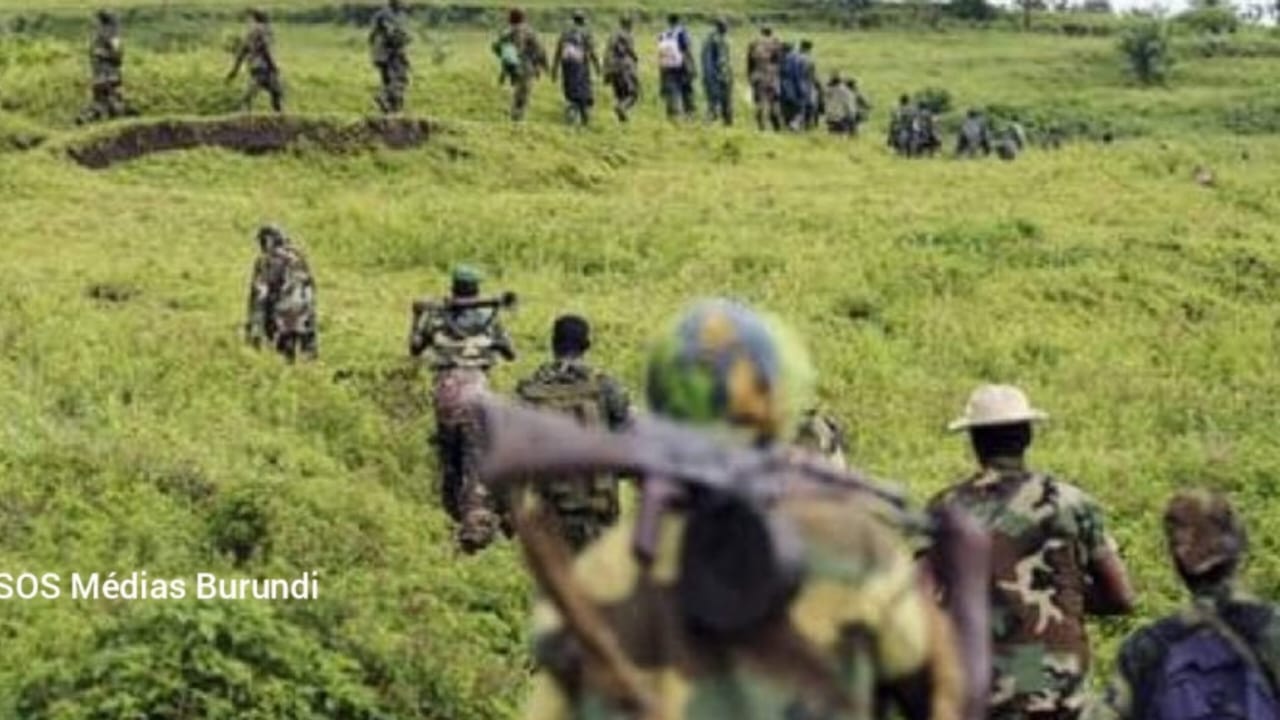
Minembwe, 6 July 2026 — Armed factions Twirwaneho and the M23/AFC-M23, part of the political-military coalition Alliance Fleuve Congo (AFC-M23), have declared control over Point Zéro, a critical military outpost in Itombwe, Mwenga territory, South Kivu. The position, long held by the Armed Forces of the Democratic Republic of the Congo (FARDC), Burundi’s National Defence Force (FDNB), and allied Wazalendo militias, has become the latest flashpoint in months of escalating violence across the highlands.
In a statement attributed to Twirwaneho’s military spokesperson, Fidèle Rugabo, the groups claimed to have launched a coordinated assault on Point Zéro late Saturday, 4 July, culminating in its capture after intense fighting.
« Point Zéro is now under our control, » the communiqué stated, asserting that FARDC, FDNB, and Wazalendo fighters had withdrawn from the site without resistance.
Local sources, speaking on condition of anonymity, reported heavy gunfire and artillery exchanges in surrounding areas, particularly along routes connecting Mikenge, Kalongi, and Rubemba. Residents of Minembwe described the situation as precarious but voiced cautious optimism that the fall of Point Zéro might curb further violence.
« We’ve endured constant fighting since the start of the year. If this position has truly fallen, perhaps it will ease the pressure on our villages, » shared one resident, reflecting the widespread exhaustion among civilians.
Unverified accounts suggest that FARDC and FDNB forces may have abandoned multiple positions—including Point Zéro, Mikenge, Kalongi, Rubemba, and Kakenge—retreating toward Mutambala, Mukera, and adjacent Fizi territory. These claims remain unconfirmed by independent observers.
Why Point Zéro is a pivotal battleground in South Kivu
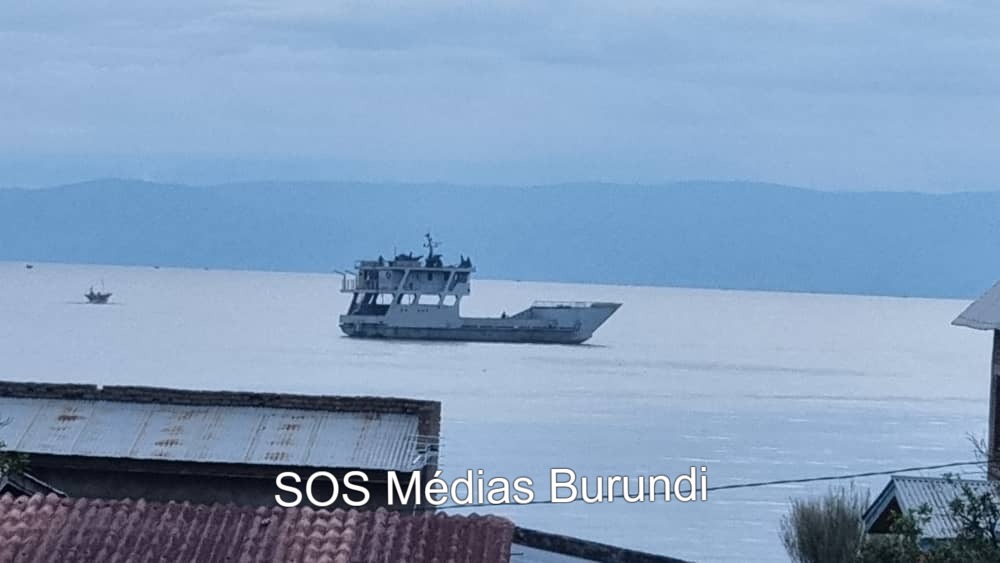
Nestled in the rugged Itombwe massif, Point Zéro serves as a linchpin for control over key supply routes linking Minembwe, Mikenge, Mwenga, and Fizi. Its strategic value has drawn repeated clashes between government-backed forces and armed factions vying for dominance in the highlands.
Since the M23/AFC-M23’s withdrawal from Uvira in January 2026, violence has surged in the region, transforming the highlands into a battleground for FARDC, Burundian troops, Wazalendo militias, and Twirwaneho—allied with the AFC-M23 coalition.
Burundi’s military footprint in eastern DRC
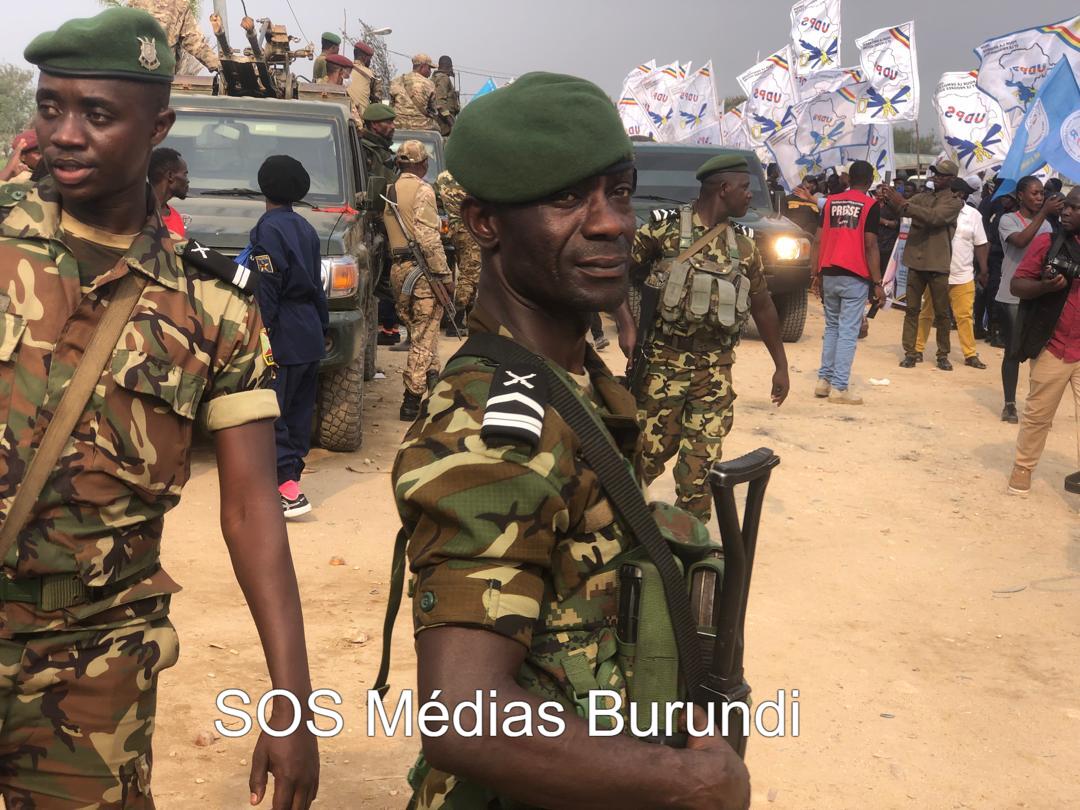
Burundi’s military presence in the Democratic Republic of the Congo is governed by a bilateral security cooperation agreement between Gitega and Kinshasa. Both governments have repeatedly acknowledged the deployment of Burundi’s National Defence Force on Congolese soil.
Official records indicate that over 29,000 Burundian troops were stationed in eastern DRC between August 2022 and December 2025, initially targeting Burundian rebel groups like RED-Tabara. Today, FDNB forces collaborate with FARDC in joint operations against multiple armed factions operating in the area.
Recent months have seen troop movements across Mwenga, Fizi, and Uvira territories, coinciding with a spike in hostilities between government forces and the two armed groups.
The shadow of regional rivalries
The conflict in eastern DRC remains deeply entangled in regional tensions. Kinshasa has repeatedly accused Kigali of backing the M23/AFC-M23, a claim Rwanda denies. Meanwhile, Kigali accuses FARDC of collaborating with the Democratic Forces for the Liberation of Rwanda (FDLR), a militia composed largely of former Hutu extremists linked to the 1994 genocide against Tutsis.
Burundi, too, has accused Rwanda of supporting armed groups hostile to its interests in eastern DRC, while accusing Gitega of enabling FDLR operations. The tit-for-tat accusations underscore the complex web of alliances and hostilities shaping the conflict.
Diplomacy fails to bring lasting peace
This latest seizure occurs against a backdrop of persistent instability, despite recent diplomatic efforts. A 27 June 2026 agreement brokered in Washington between DRC and Rwanda, under U.S. mediation, aimed to de-escalate tensions and outline military disengagement. Yet, fighting has continued unabated, particularly in South Kivu’s highlands.
The region remains one of the most volatile in the Great Lakes, where local rivalries, ethnic tensions, and geopolitical rivalries fuel a protracted and multifaceted conflict. As of this report, no official response has been issued by FARDC, FDNB, or Burundian authorities regarding the armed groups’ claims.