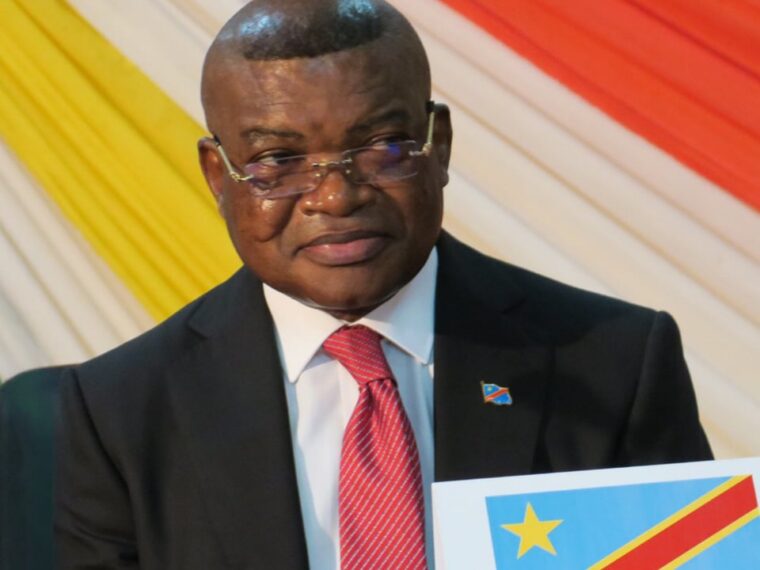
The death of Kalev Mutond, former director-general of the Democratic Republic of Congo’s intelligence services, marks a decisive turning point in the nation’s security framework. His departure sends ripples through the political and intelligence communities, prompting questions about the future direction of Congo’s most powerful security apparatuses.
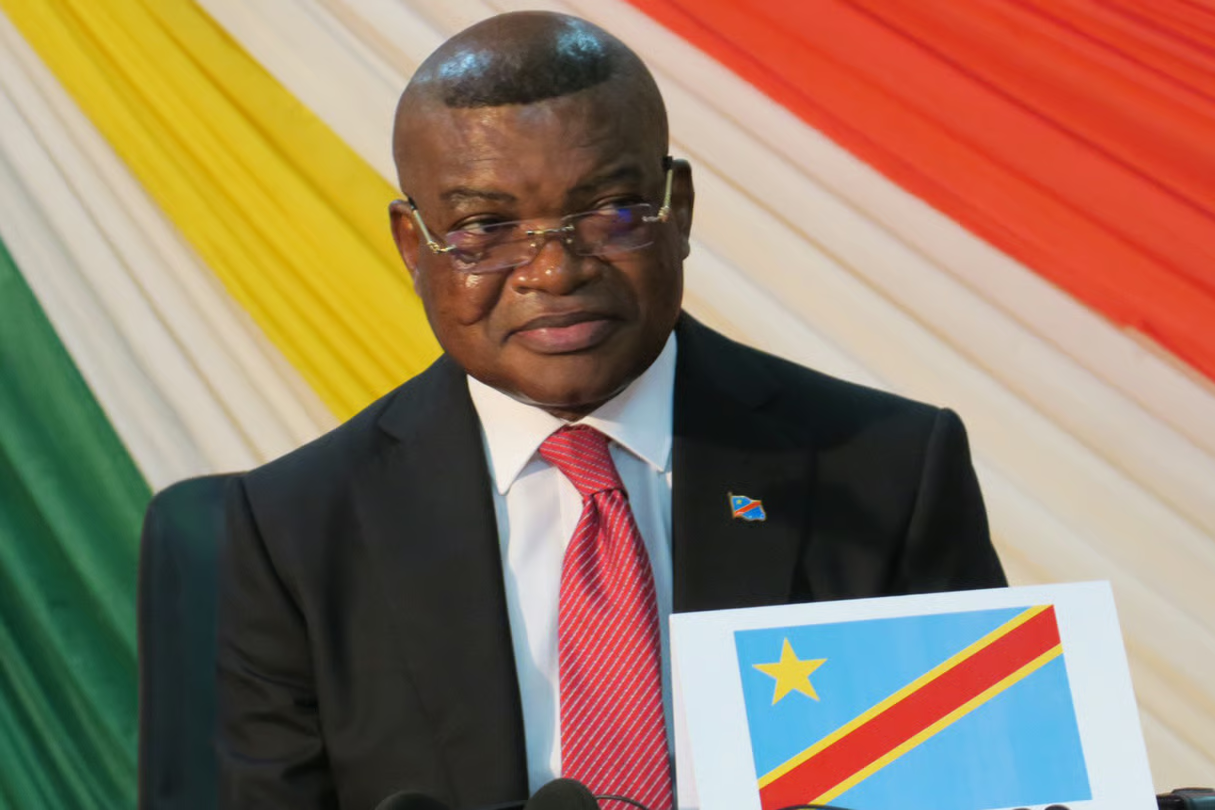
The man behind the transformation
Kalev Mutond’s tenure as the head of Congo’s intelligence services left an indelible mark on the nation’s security landscape. Serving during a critical period in Congolese history, his leadership reshaped the operational priorities and internal dynamics of the ANR (Agence Nationale de Renseignements). Colleagues describe him as a figure who navigated the complex terrain of Congolese politics with unmatched precision.
Legacy of influence and controversy
Mutond’s legacy is a tapestry of achievements and controversy. Under his leadership, the ANR expanded its reach while also facing scrutiny over its methods and transparency. His close ties to former President Joseph Kabila further solidified his influence, positioning him as a key architect of security policy in a nation grappling with persistent instability.
The circumstances surrounding his death remain shrouded in ambiguity, adding to the layers of intrigue that defined his career. As Congo’s intelligence community confronts this unprecedented transition, questions arise about the continuity of policies and the emergence of new leadership.
What lies ahead for Congo’s intelligence sector?
Mutond’s death arrives at a time when DR Congo’s security apparatus faces mounting challenges. With regional tensions escalating and internal political pressures intensifying, the ANR’s next chapter will be pivotal in shaping the nation’s stability. Key considerations include:
- Leadership transition: Identifying a successor capable of maintaining institutional cohesion while navigating political sensitivities
- Policy continuity: Deciding whether to uphold Mutond’s strategic direction or pivot toward reform
- Public trust: Rebuilding confidence in the ANR’s operations amid growing calls for accountability
Nation reacts to the seismic shift
The political and social reactions to Mutond’s passing reflect the deep divisions within Congolese society. While some view his death as an opportunity for renewal, others fear a vacuum of power could undermine the nation’s fragile security equilibrium. Political analysts emphasize the need for measured transitions to prevent further destabilization.
Political ramifications
The absence of such a central figure in Congo’s intelligence sphere inevitably alters the balance of power. Mutond’s influence extended beyond security into the corridors of political decision-making, making his departure a critical juncture for the nation’s future direction.
Public sentiment and expectations
Citizens across DR Congo are expressing mixed sentiments about the implications of this leadership void. Some advocate for sweeping reforms to enhance transparency, while others prioritize stability, even under the guise of strong-handed governance.