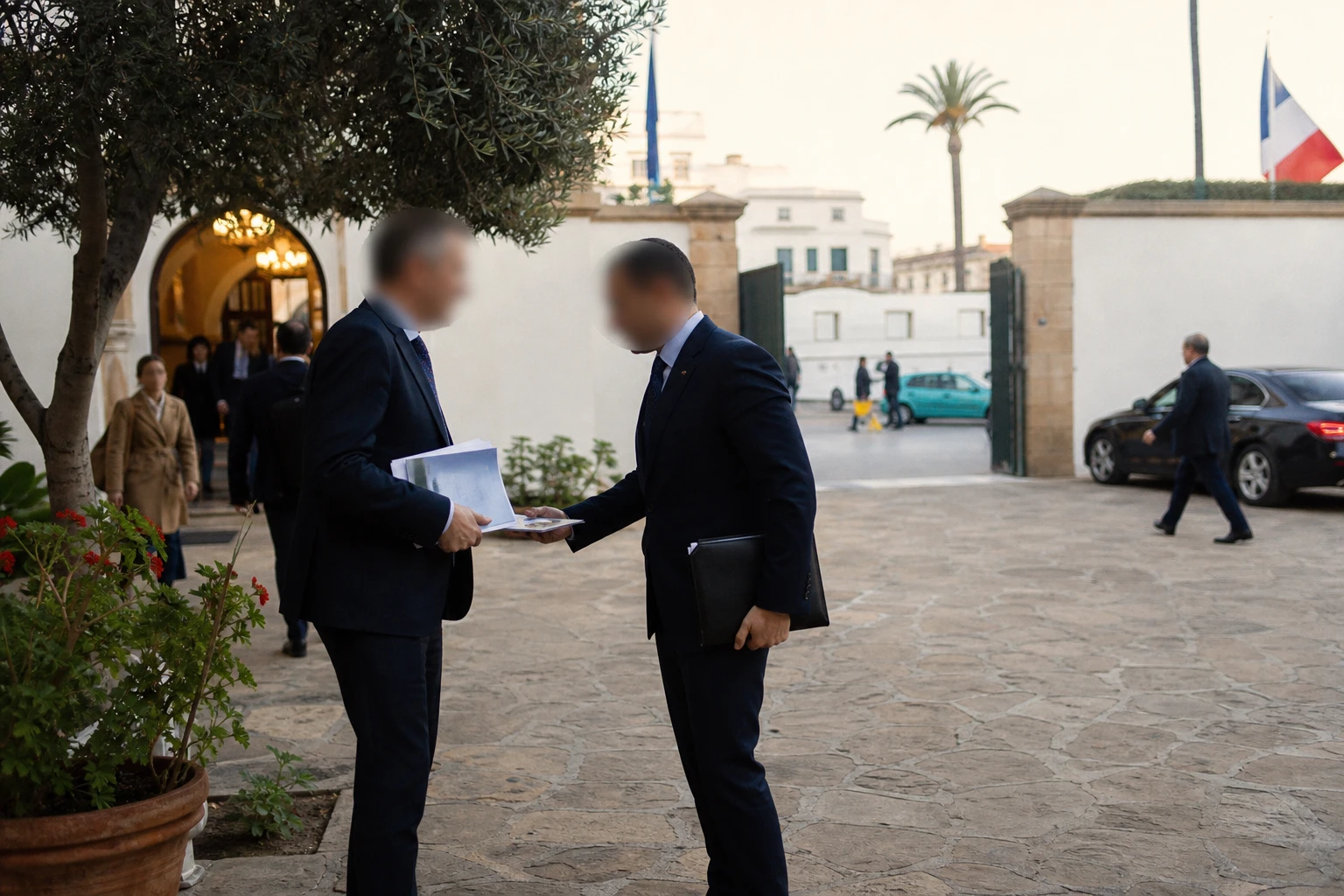
Lecornu’s maiden diplomatic tour: strengthening ties with Qatar and Morocco
Sébastien Lecornu embarks on his first official trip abroad, visiting Doha and Rabat to reinforce France’s strategic partnerships in the Gulf and Maghreb regions.

Strategic priorities on display
A new prime minister’s first international visits often set the tone for their tenure. For Sébastien Lecornu, this week’s journey to the Middle East and North Africa is no exception—it signals France’s evolving diplomatic priorities.
His itinerary begins in Doha, where he pays respects following the passing of Qatar’s former emir, Sheikh Hamad bin Khalifa Al Thani. From there, he heads to Rabat to advance a bold new chapter in Franco-Moroccan relations. Both nations hold deep strategic value for Paris, making this trip a calculated move to strengthen alliances where they matter most.
In Morocco, the stakes are particularly high. Since mid-2024, Paris has thrown its full support behind Rabat’s autonomy plan for Western Sahara—a stance that has reshaped regional dynamics. The move, which angered Algiers, marked a decisive shift toward reinforcing ties with Morocco while leaving Algeria’s leadership isolated.
The Qatar stopover: diplomacy meets protocol
Doha served as more than a courtesy call. With veteran diplomat Jean-Yves Le Drian by his side, Lecornu underscored continuity in France’s Gulf policy. The former emir, who ruled from 1995 to 2013, left a legacy of modernization and regional engagement that Paris was eager to acknowledge.
Beyond tribute, the visit reinforced economic and security cooperation. With thousands of French expatriates in Qatar and billions in defense and aviation contracts at stake, the relationship extends far beyond symbolism. In a volatile Gulf region, maintaining this channel of dialogue remains vital for Paris.
Rabat: sealing a diplomatic breakthrough
The Morocco leg of the trip carries greater ambition. Lecornu’s high-level meetings in Rabat follow a landmark 2024 policy shift, when France recognized Morocco’s sovereignty over Western Sahara under its autonomy plan. The move culminated in a state visit by President Emmanuel Macron in October 2024, where both sides inked over €10 billion in agreements.
For Rabat, the benefits are immediate: strengthened European backing for its Western Sahara stance. For France, the rewards are twofold—reasserting influence in a key market and reclaiming ground lost in recent years. The visit signals a clear intent to move beyond reconciliation and into deeper partnership.
The regional ripple effect
Yet France’s pivot toward Morocco hasn’t gone unnoticed. Algiers responded to the 2024 policy change by recalling its ambassador, exposing the depth of the rift. Paris now walks a tightrope, balancing its new alliance with Rabat while leaving the door ajar for Algiers.
Sahrawi groups, including the Polisario Front, have also criticized France’s stance, arguing it legitimizes occupation. Paris frames its position as a negotiation framework rather than a final decision, but the controversy underscores the sensitivity of the issue.
What to watch next
The success of this diplomatic offensive hinges on two factors. First, the tangible outcomes of Lecornu’s talks in Rabat—economic cooperation, security collaboration, and migration policies will be closely scrutinized. Second, the potential state visit of King Mohammed VI to France could cement a new era of Franco-Moroccan relations, effectively upgrading the partnership from warming ties to a formalized alliance.
Ultimately, Lecornu’s tour is more than a symbolic gesture—it’s a strategic declaration. By prioritizing Qatar and Morocco, France is staking its claim in regions where stability and influence are increasingly contested. The question now is whether Paris can deepen these bonds without permanently severing ties with Algiers.