N’Djamena’s urban disorder: battling poverty to restore order
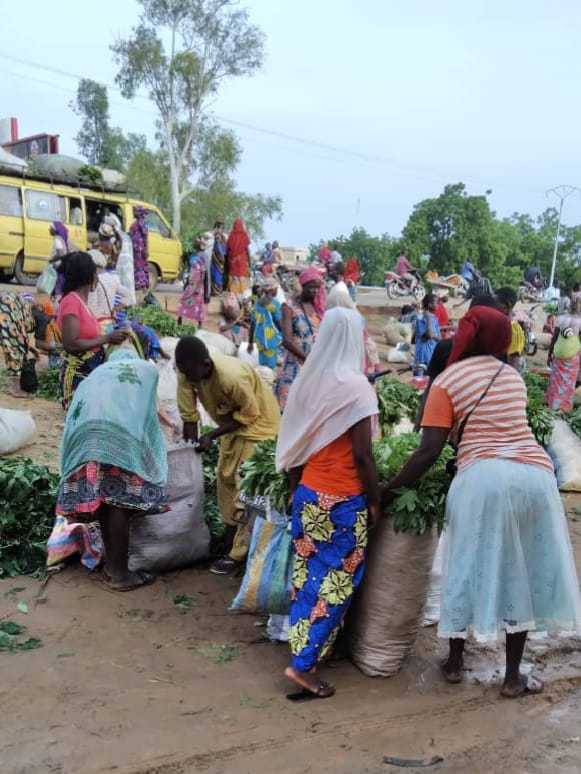
In N’Djamena, the push for stricter urban management has become a daily spectacle. Authorities are enforcing sweeping measures—clearing unauthorized street vendors, cracking down on visible begging, and disciplining security personnel whose conduct falls short of expectations. The goal? To reclaim public spaces and restore a semblance of order in a city struggling to modernize.
The intention is clear: no city thrives in perpetual chaos. A structured urban environment is essential for growth, commerce, and public well-being. Yet beneath the surface of these enforcement campaigns lies a pressing question: Can order truly be restored without addressing the root causes of disorder?
Behind the scenes of these crackdowns, a harsh reality lingers—poverty. In N’Djamena, as in many African capitals, the streets are not just spaces of rule-breaking; they are lifelines. Informal traders, street vendors, beggars, and unemployed youth don’t occupy public spaces out of defiance. For many, these areas are the only means of survival. Without viable alternatives, the cycle of disorder persists, resistant to temporary fixes.
Relying solely on repression—evicting street vendors without economic alternatives or tightening security without social support—merely displaces the problem rather than solving it. Urban disorder cannot be resolved through policing alone; it demands a holistic approach that integrates economic empowerment, formal employment opportunities, and targeted social programs for vulnerable groups.
The pursuit of a “modern” city goes beyond clean streets and orderly sidewalks. It requires creating real opportunities, regulating the informal sector fairly, and ensuring no citizen is forced into survival mode on the margins of society. Zero tolerance for chaos may project an image of control, but without inclusion, that control is superficial and unsustainable. As long as poverty remains entrenched, the streets will continue to serve as a refuge for those with nowhere else to turn.
The real challenge isn’t how to eliminate urban disorder—it’s how to dismantle the conditions that make it inevitable. N’Djamena’s future hinges on this fundamental shift: from suppression to sustainable solutions.