Niger after the failed coup: the fallout, the backlash and what comes next
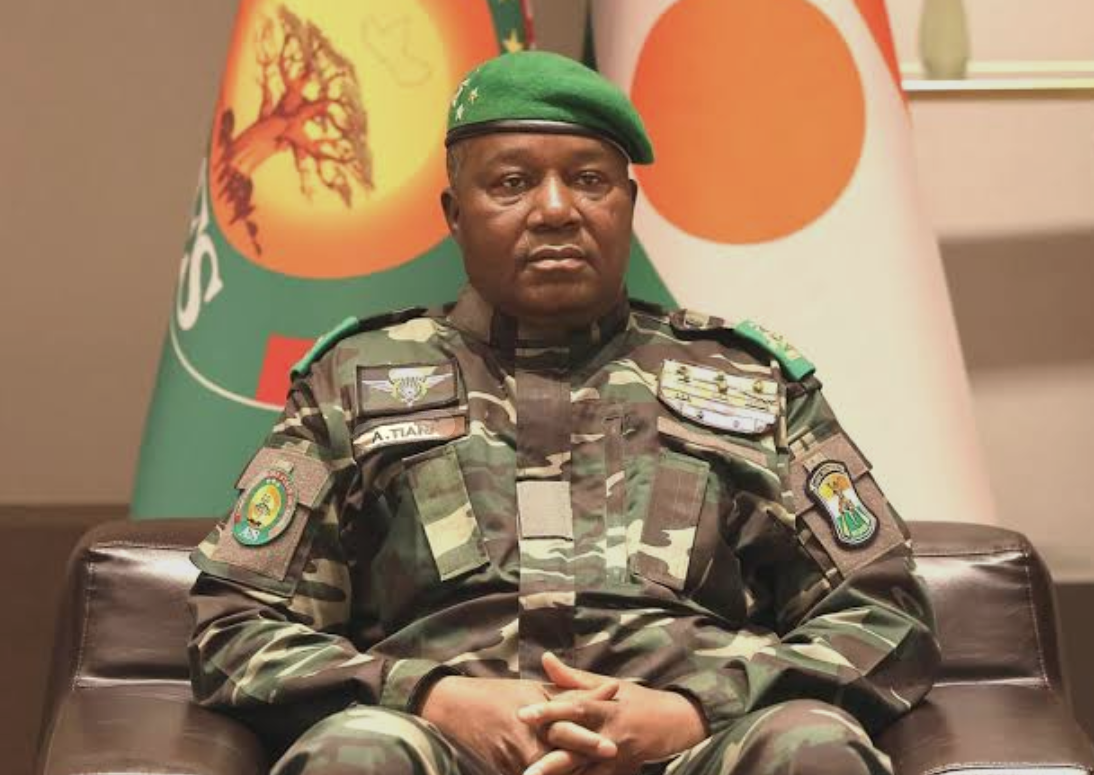
The fallout from Niger’s aborted coup is now reshaping the country’s political landscape in ways few could have predicted. Barely a week after a sweeping shake-up at the top of the military hierarchy, General Abdourahamane Tiani has dismissed four key ministers, a move that has triggered intense public debate about the direction the junta is taking. The attempted putsch during the night of 28 to 29 August has left the regime visibly shaken, and the purge that followed is being widely read as a sign of a power structure consumed by its own survival instincts — with the country’s deepening security crisis left largely unaddressed.
The purge and its immediate fallout
The four sackings, announced by presidential decree, hit portfolios that matter enormously to the functioning of the state: Agriculture, Agrarian Reform, Energy and Communications. By replacing the figures who held these posts, the junta is clearly trying to tighten its grip on the levers of economic stability and information control. But the manner of the dismissals — sudden, unexplained and sweeping — has fuelled speculation and anxiety both inside and outside government circles.
The backlash and public reaction
Within Niger, reactions have been swift and divided. Some see the reshuffle as a necessary move to restore discipline after the failed coup. Others view it as further evidence that the junta is lashing out blindly, targeting loyalists and rivals alike in a climate of pervasive suspicion. The public debate has intensified on social media and in private conversations, with many questioning whether yet another round of ministerial musical chairs can deliver anything resembling stability.
What comes next for the junta
The big question now is whether this purge will be the last, or whether it marks the beginning of a longer, more damaging cycle. The attempted coup exposed fractures within the military elite that had been building for months. The CNSP’s response — decapitating the military command, arresting officers and now sacking ministers — suggests a leadership that feels besieged from within. Until those underlying tensions are addressed, further purges remain a real possibility.
The price paid by ordinary Nigeriens
Amid the political turbulence, the human and security toll continues to mount. The original justification for the 2023 coup — improving security against armed groups — has not materialised. Instead, attacks by militants linked to Al-Qaeda and the Islamic State have increased in border areas, claiming civilian and military lives. The rupture of traditional military alliances and the departure of partner forces have left swathes of territory exposed. Meanwhile, economic sanctions and insecurity have paralysed local commerce, pushing millions into extreme vulnerability.
An uncertain road ahead
Each new ministerial reshuffle delays rather than solves Niger’s structural problems. Replacing individuals without changing the method of governance only postpones the reckoning. The persistent militarisation of state institutions and the witch-hunts within government point to a lack of any clear political vision. As the junta governs through fear, mistrust and permanent purge, it isolates itself further. Neither press censorship nor the rapid replacement of energy or communications ministers can hide the fact that the promised stability has turned into institutional and security chaos — and ordinary Nigeriens remain its primary victims.