Benin’s Cotonou-Niamey corridor sparks regional debate as logistics dominance ambitions face pushback
After the dust settles: a logistics gamble that divides West Africa
The $30 million push to transform the 729 km Cotonou-Niamey corridor is no longer just a national project—it has ignited a continent-wide conversation. Critics warn of over-investment in a single route while neighboring corridors fight for relevance. Meanwhile, supporters argue that Benin’s bet on becoming West Africa’s logistics backbone is the only way to future-proof regional trade against supply chain shocks. As the debate intensifies, one question looms: is this corridor the key to stability or another example of uneven development?
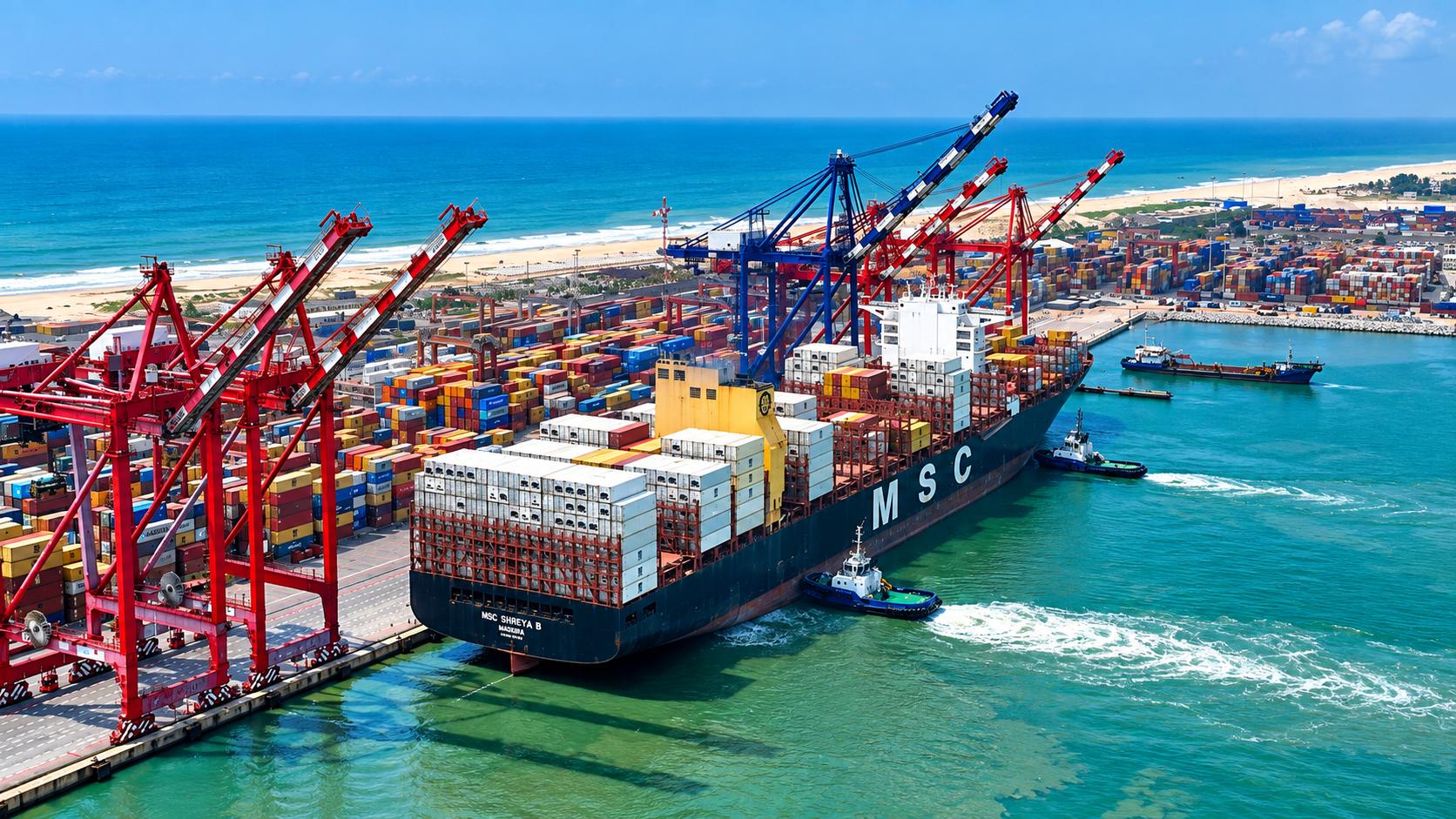
Port of Cotonou: The gateway that’s rewriting Niger’s economic future
At the heart of this transformation lies the Port of Cotonou, already the primary lifeline for Niger’s landlocked economy. With European Union and Belgian cooperation funding flowing into road upgrades and customs overhauls, the port’s role is expanding beyond traditional boundaries. The Cotoni project, the cornerstone of this initiative, aims to slash transit times, reduce bottlenecks, and bring much-needed predictability to a supply chain long plagued by delays and corruption. But the stakes couldn’t be higher: a single failed checkpoint or a poorly timed strike could unravel years of progress in an instant.
Breaking down the Cotoni project’s four pillars
The Cotoni initiative isn’t just about laying asphalt. It’s a multi-layered strategy designed to address the systemic failures that have stifled trade between Benin and Niger for decades. The four operational pillars guiding the transformation are:
- Sustainable governance: Establishing long-term funding mechanisms for road maintenance and infrastructure upgrades to prevent the “build it and forget it” trap.
- Enhanced safety: Deploying security measures along the corridor to deter banditry and streamline transit for truckers navigating between Benin and Niger.
- Trade facilitation: Aligning local value chains—particularly in agriculture—to ensure that goods move efficiently from farm to market.
- Customs modernization: Eliminating redundant inspections and bottlenecks at border crossings to cut through red tape that has long hindered cross-border commerce.
From Cotonou to Lagos: Is a regional logistics network taking shape?
The Cotoni project doesn’t exist in a vacuum. It’s part of a broader push to modernize West Africa’s trade infrastructure, with Benin positioning itself as the central hub in a new logistics network. The upcoming Abidjan-Lagos highway, slated for partial completion by 2030, is expected to compound the corridor’s value, creating a high-speed transit route from the Atlantic coast deep into the Sahel. Yet, skepticism persists. Will this infrastructure alleviate pressure on existing routes, or will it merely shift bottlenecks further inland?
The domino effect of regional trade friction
For Benin’s neighbors, the Cotoni project is a signal—one that some interpret as a threat to their own trade dominance. The port’s expanding capacity risks diverting cargo away from rival ports like Lomé or Tema, potentially reshaping the regional pecking order. Meanwhile, Nigeria’s economic juggernaut looms large, with its vast internal market and burgeoning industrial sector posing both competition and opportunity. The question now is how Benin can leverage its corridor without triggering a retaliatory trade war or leaving smaller economies behind.
The TLC forum: A platform for consensus or a stage for division?
As the Cotonou Transport & Logistics Conference (TLC) approaches—a high-profile event scheduled for November 12–14—stakeholders are converging to debate the corridor’s future. With over 2,000 regional freight experts expected to attend, the forum will serve as a barometer for the project’s reception. Will it emerge as a model for regional cooperation, or will dissenting voices drown out the optimism? The event’s transparent approach—offering visitors a behind-the-scenes look at the port’s operations—may help sway public opinion. But in a region where trust in institutions is fragile, even the most well-intentioned reforms face an uphill battle.
What comes next: The road to acceptance or a logistical experiment?
The Cotoni project is at a crossroads. On one hand, early indicators suggest that transit times are improving, and customs processes are becoming more streamlined. On the other, the long-term viability of the corridor hinges on factors beyond Benin’s control—regional stability, global trade policies, and the willingness of neighboring countries to play along. For now, the debate rages on: Is this the dawn of a new logistics era for West Africa, or a high-stakes gamble with uncertain payoffs? One thing is certain—the outcome will shape the economic landscape of the Sahel for years to come.