Aftermath of the thwarted drone strike on Mecca: reactions, risks, and what lies ahead
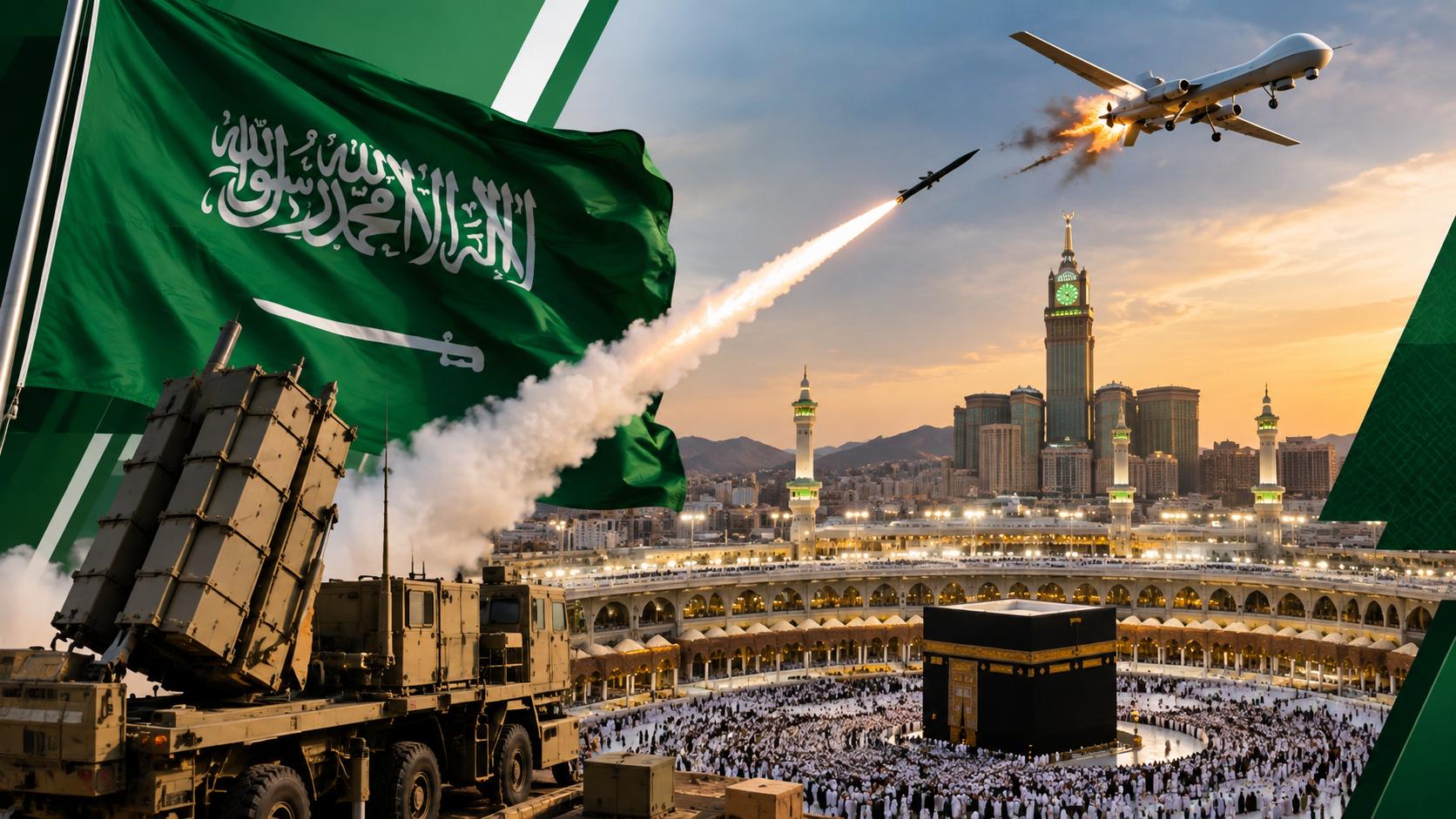
A thwarted attack that reignites regional tensions
Riyadh-led military coalition officials announced on Wednesday, September 16, that Saudi air defenses had destroyed an armed drone attributed to Yemen’s Houthi rebels. The aircraft was intercepted south of Mecca, and according to the coalition command, its intended target was to destabilize the security of the holy city and its residents. The incident has revived regional tensions in an already fragile security environment.
How Saudi air defenses intercepted the drone south of Mecca
Saudi air defense forces sprang into action in the skies south of Mecca on Tuesday, September 15. According to the Riyadh-led coalition, Royal Air Defense Forces detected and neutralized an armed drone before it could enter the strictly protected airspace surrounding Islam’s holiest city.
The operation resulted in no casualties or material damage, according to the official statement. However, the location of the attempted incursion gives the event a particularly heavy symbolic and political weight, as Mecca is home to the Grand Mosque and hosts a permanent dense population of pilgrims and residents.
Riyadh condemns a direct threat to worshippers
Coalition spokesman General Turki Al-Maliki was quick to respond, condemning the attempted attack. He directly accused Yemen’s Houthi rebels and their allies of seeking to “disrupt the security and stability” of the Kingdom and of deliberately endangering the lives of residents and worshippers gathered at the Grand Mosque.
For the Saudi command, targeting a place of worship of such importance represents yet another red line crossed. The coalition reaffirmed its determination to take all necessary measures to protect Saudi territory, civilians, and holy religious sites.
A familiar episode in a long-running regional conflict
This event is part of the ongoing confrontations that have pitted the Saudi-led international coalition against Houthi insurgents in Yemen for years. While drone and ballistic missile attacks on oil infrastructure, airports, and border areas have been frequent, trajectories heading toward the Mecca region always trigger diplomatic and security reactions of particular intensity.
Despite mediation efforts and fragile truces negotiated in the past under United Nations auspices, these recurring attacks demonstrate the Houthis’ persistent military capabilities and the difficulty of stabilizing the Kingdom’s southern border in the long term.
What next for regional security?
This latest alert brings back to the forefront the question of the vulnerability of strategic and religious infrastructure in the Arabian Peninsula to asymmetric attacks. The effectiveness demonstrated by Saudi air defense during this interception is tactically reassuring, but it also underscores the urgency of finding a lasting political solution to the Yemeni conflict.
As international chancelleries closely monitor the situation, this incident serves as a reminder that the risk of escalation remains latent, capable at any moment of undermining peace efforts and regional stability.