Niger crisis deepens as 500 worshippers vanish after Friday prayers: public outcry grows
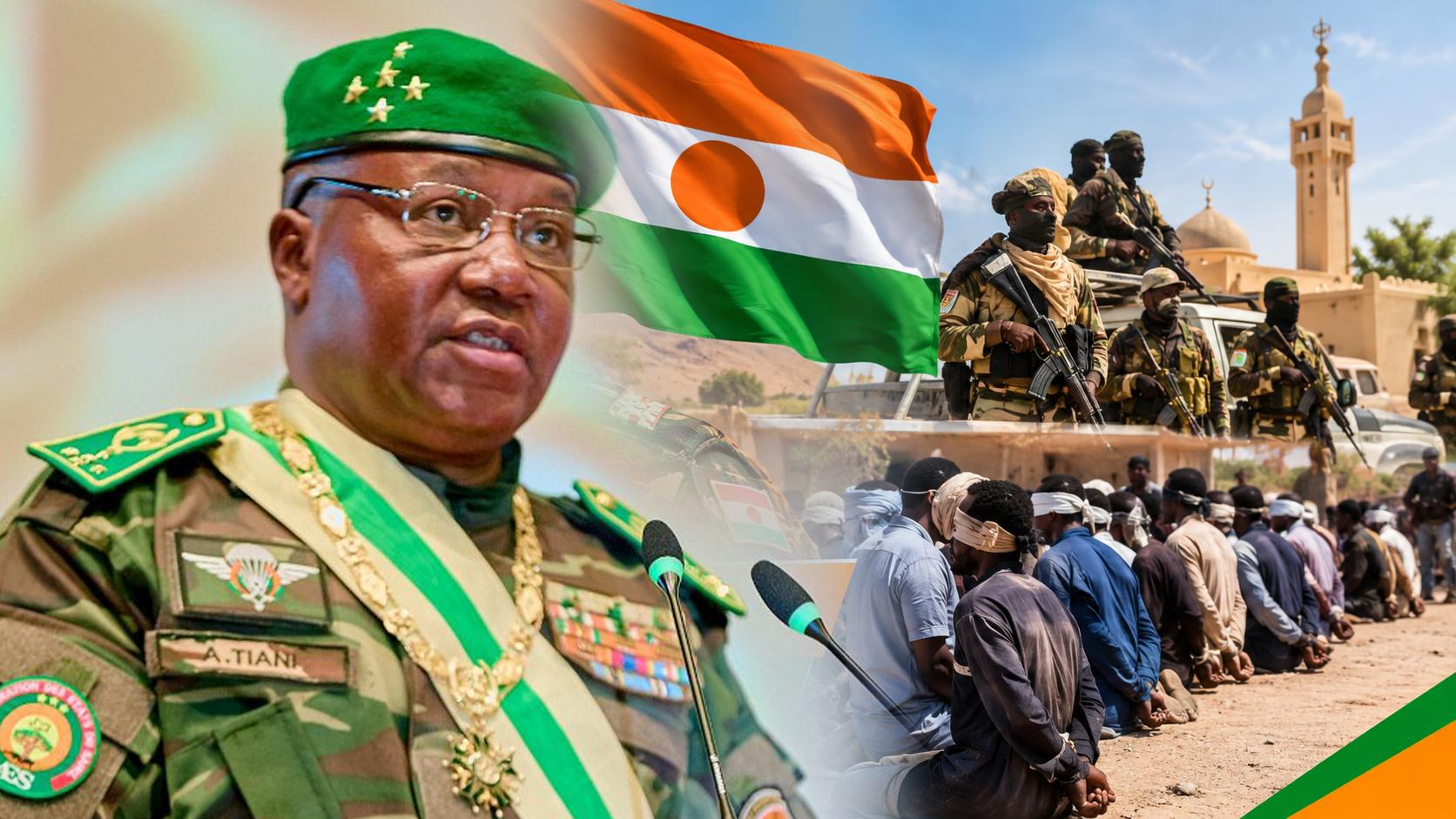
The Niger crisis has reached a new low. On Friday, August 21, 2026, gunmen stormed multiple mosques across the country at prayer time, herding roughly 500 faithful into the wilderness. Days later, their fate remains unknown. This unprecedented mass abduction exposes the alarming failure of the military-led administration under General Abdourahamane Tiani, whose repeated security pledges have yielded no tangible results.
From reverence to terror: how a holy day turned deadly
It was just past 1 p.m. when what should have been a moment of spiritual reflection turned into a nightmare. As worshippers concluded their prayers, heavily armed assailants cordoned off the mosques, locking the exits and trapping hundreds—elders, adults, and young boys—inside. Under the barrel of assault rifles, the terrified crowd was forced into dense forestland, leaving grieving families in a state of shock and despair. No group has claimed responsibility, and no ransom demands have surfaced, deepening the agony of uncertainty.
Broken promises: the myth of restored security
The CNSP justified its 2023 coup by vowing to restore peace and security after years of terrorist violence. Yet three years later, the reality tells a different story. The expulsion of international partners and the embrace of anti-Western rhetoric have not brought the promised stability. Instead, the military’s stretched resources and limited operational capacity have allowed armed factions to consolidate control over vast regions. The gap between lofty national broadcasts and the harsh reality of rural insecurity has never been wider.
An absent state: the collapse of governance in the countryside
This abduction isn’t an isolated incident—it’s the culmination of a slow-motion state failure. By removing allied forces without a credible replacement plan, the junta created a dangerous vacuum. Militant groups and criminal gangs swiftly filled the void, exploiting the absence of civilian administration and military presence. Across large swaths of the country, communities live under a dual burden: constant insurgent violence and the silence of a government preoccupied with consolidating power in Niamey rather than protecting its people.
Niamey’s hollow response fuels public anger
The military administration’s reaction to the crisis has done little to reassure a traumatized nation. While official statements usually highlight foreign interference or inflated tactical wins, this time, silence has prevailed. No clear rescue or negotiation strategy has been shared with desperate families. Each day of inaction chips further away at the CNSP’s credibility. By failing to safeguard worshippers even within the sanctity of their mosques, the regime has revealed its structural weaknesses and fueled simmering public resentment.
What comes next for a nation on the edge?
This mass abduction marks a dangerous escalation. By targeting religious gatherings, armed groups have demonstrated their boldness and the state’s inability to respond. While the immediate priority remains finding the 500 missing individuals, the deeper question looms large: how long can Niger endure the widening gap between the junta’s political ambitions and its inability to protect its citizens? The crisis is no longer just about security—it’s about survival.