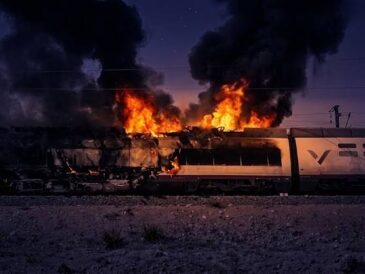
The deadliest high-speed collision in Spain’s history leaves dozens dead and hundreds injured
A catastrophic collision between two high-speed trains near Urda in Toledo province has left at least 46 people dead and 179 injured, sending shockwaves across Spain. Rescue teams rushed to the scene as authorities launched urgent investigations into the causes of the disaster. The toll may rise as rescue operations continue.
Devastating impact: how the collision unfolded
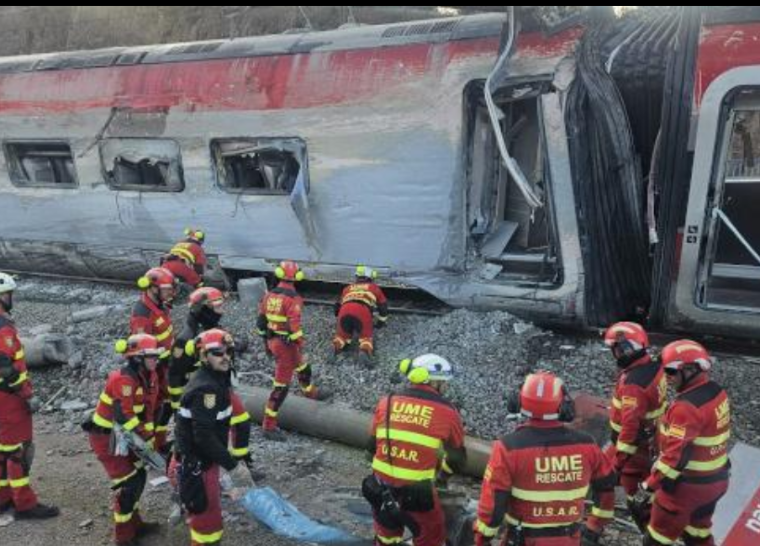
The accident occurred on a high-speed rail link connecting Madrid to Andalusia, a critical route for national travel. A Renfe-operated high-speed train crashed into a stationary Iryo train, triggering a violent impact that derailed multiple carriages. Some wagons were ejected from the tracks onto a nearby embankment, severely complicating rescue efforts and trapping passengers inside damaged vehicles.
The sheer number of passengers on board both trains amplified the tragedy. Evacuations proved extremely difficult as rescuers worked tirelessly to reach those still trapped in the wreckage. Medical teams immediately prioritized the most critical cases, while authorities warned the official death toll and injury count remained provisional until finalized.
Chaos on the ground: rescue efforts and aftermath
Emergency services, including firefighters, medical personnel, and civil protection teams, were deployed within minutes of the collision. Injured passengers were swiftly transported to nearby hospitals, with the most serious cases rushed into emergency care. In the hours following the crash, the focus shifted to stabilizing victims, extricating those still trapped, and initiating the grim process of identifying the deceased.
The accident also triggered severe disruptions to rail traffic, with all services suspended on the affected route. Travelers heading to or from Madrid were left stranded, adding to the chaos and uncertainty as families waited for word on loved ones.
What caused the collision? Investigators dig for answers
With the human toll now tragically clear, the spotlight has turned to the technical and operational failures that may have led to the disaster. Early reports point to potential issues in rail traffic management, including possible miscommunication between control centers and train drivers. Some sources suggest a failure in signaling systems, though these remain unconfirmed hypotheses.
The investigation will rigorously examine several key areas:
- Train control systems and their operational status
- Communication logs between drivers and rail control centers
- Recent maintenance records for the affected infrastructure
- Human factors, including train driver procedures and response protocols
Experts will attempt to reconstruct the final moments before impact, determining whether technical glitches, human error, or a combination of factors triggered the crash. The ultimate goal is to uncover preventable measures that could avert future catastrophes.
Renewed scrutiny on Spain’s rail safety protocols
This tragedy arrives amid growing public unease over recent rail accidents in Spain. While each incident requires separate investigation, the collision near Urda may reignite long-standing concerns over rail infrastructure maintenance, safety equipment reliability, and traffic management procedures.
For authorities, the dual mandate is clear: uncover the truth behind this disaster and provide closure to the victims’ families. The findings of the inquiry will shape future safety regulations and determine whether systemic reforms are necessary to restore public confidence in Spain’s rail network.
A nation in mourning: families await answers
Beyond the stark statistics, the collision has shattered lives, left grieving families, and inflicted deep emotional scars. The coming hours will bring critical updates on the human cost, as well as preliminary insights into the crash’s causes. Authorities face the challenge of balancing transparent communication with the sensitivity required in such a traumatic event.
One certainty remains: before blame can be assigned, the immediate priority is the care of the injured, the comfort of affected families, and the unwavering pursuit of truth. As Spain grapples with this latest tragedy, the nation waits for answers—and for justice.