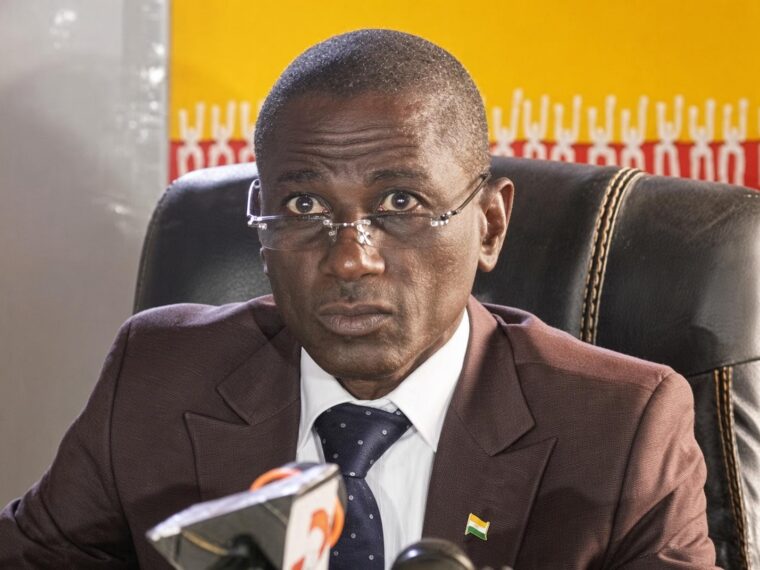
The clash between Niger’s judiciary and outspoken legal figures has reached a critical juncture. Earlier this month, lawyer Abdourahamane Lirwana stood before the Niamey High Court, already under pre-trial detention, to face charges that could reshape the boundaries of online expression in the country. Prosecutors stunned courtroom observers by demanding a five-year prison sentence alongside a five-million-CFA fine, marking a dramatic escalation in a case that has divided legal professionals and civil society.
The digital dissent that sparked a legal avalanche
At the heart of this high-stakes legal battle are social media posts published by the defendant. Prosecutors allege that Me Lirwana’s online content constitutes “dissemination of data likely to disturb public order” — a charge that falls under Niger’s stringent cybercrime legislation. While the exact nature of these posts remains undisclosed, their potential impact has triggered a judicial reaction that many observers describe as disproportionate.
A courtroom battle where fairness was the first casualty
The proceedings unfolded amid allegations of judicial bias that cast a long shadow over the entire case. Just one day before the trial commenced, Lirwana’s defense team filed an urgent motion to transfer the case to another jurisdiction, arguing that the Niamey court could not guarantee an impartial hearing. The State Court swiftly dismissed the request, forcing the trial to proceed in the capital where tensions between legal professionals and authorities have been particularly acute.
The defense’s bold gamble: silence as a form of protest
Refusing to participate in what they characterize as a predetermined judicial process, Lirwana’s legal team adopted an unprecedented strategy: complete silence. Following their advice, the defendant refused to respond to any questions from the judge or prosecutor throughout the proceedings. This calculated move sent a powerful message about the perceived legitimacy of the judicial process while denying the prosecution any satisfaction in extracting testimony from the accused.
What comes next: a verdict that could redefine legal boundaries
With the court now deliberating, the legal community and civil society organizations are holding their breath. The imminent verdict carries implications that extend far beyond Abdourahamane Lirwana’s personal fate. If confirmed, the five-year sentence would establish a precedent that could chill digital dissent across Niger, raising urgent questions about the balance between public order and fundamental freedoms in an increasingly connected society.
Key takeaways from a judicial moment that could echo across West Africa
- Digital expression under scrutiny: This case highlights how online communications have become the new battleground for legal and political contests in Niger.
- Judicial independence in question: The defense’s failed attempt to transfer the case has intensified concerns about the judiciary’s ability to remain impartial in politically sensitive matters.
- A watershed moment for legal ethics: The defense’s refusal to participate marks an unprecedented challenge to judicial processes they view as fundamentally flawed.
- Regional implications: Legal observers warn that a harsh verdict could embolden similar prosecutions beyond Niger’s borders, potentially affecting digital rights across West Africa.