Niger’s cabinet shake-up of 15 September 2026: reaction, resentment and an unclear road ahead
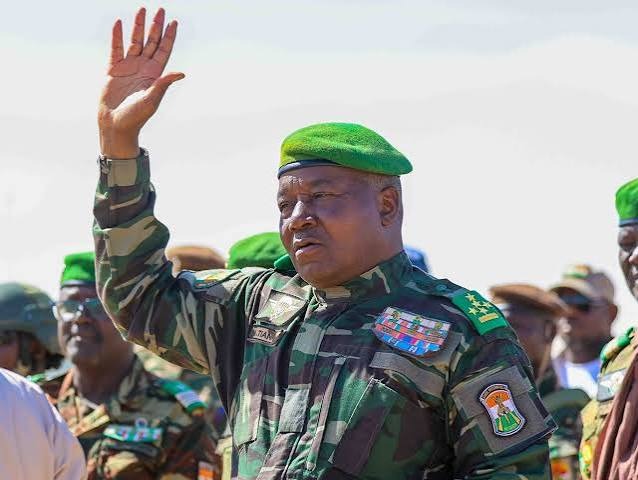
The decree signed on 15 September 2026 by General Abdourahamane Tiani has provoked a reaction the authorities were plainly not ready for. Presented without much conviction as a simple “technical reorganisation”, this first major cabinet shake-up is being read across the country as an operation of political survival — and the debate it has opened is no longer about who holds which portfolio, but about what the men in power are bracing themselves for next.
Fallout from a decree that convinced almost nobody
At the centre of the exercise sits the Conseil national pour la sauvegarde de la patrie, exposed on every front and searching for a way to close ranks. Distributing portfolios, paying off supporters and tightening its hold on the state apparatus: that, far more than any programme of reform, is what the 15 September measure was designed to deliver, at a moment when discontent is spreading well beyond the capital.
The August mutiny that set the reshuffle in motion
None of this looks accidental. The new line-up follows directly from last August’s mutiny at air base 101 in Niamey, an episode that shook the regime to its foundations. After purging and hurriedly reorganising the military command and the presidential guard, the Tiani government has now moved on to the political half of its own self-defence.
By appointing Colonel Bilaly Elhadj Gambobo to Agriculture and Livestock, the junta is not promising a revolution on the nation’s dinner tables. It is placing one more officer to keep watch over a strategic sector while pushing aside officers who had become inconvenient. The outcome is absolute military control over the country’s resources, at the expense of any civilian and transparent form of management.
Serving the regime, serving oneself: how the cake was cut
The arrival of Abdourahamane Oumarou, leader of the UNPP and one of the loudest organisers of the sovereignist movement, is the most striking illustration of that drift. Nobody appointed him for a record as a manager; he was chosen for his ability to shout louder than anyone else. A loyalist from the very first hour, since the July 2023 coup, he collects the Ministry of Youth and Refoundation as his reward.
While young Nigeriens sink further into unemployment and despair, the CNSP keeps handing posts to its propagandists. The calculation is cold: buy the silence of party activists and use these street-level figures to steer opinion and smother criticism on social media.
Academic names drafted in as human shields
To disguise the horse-trading, a few academic figures were slipped into the team, among them Professor Mahamadou Saidou at Higher Education and Oumarou Maman at Humanitarian Action. Nobody should be fooled by the window dressing. How is Professor Saidou supposed to calm the universities with no financial means at his disposal? How will Oumarou Maman help people displaced by war when state coffers are empty and international assistance has been cut off? These technocrats are there to act as shields and to carry the blame when the machinery collapses under the weight of hardship.
What comes next for a system running on empty
All of this amounts to neither a strategy nor a plan for Niger’s future. It is the improvised patchwork of a regime at bay, one that would rather keep feeding its loyal supporters than confront the cost of living, a collapsing economy and the expectations of a population that has waited a very long time.
Changing the faces around the table will not hide the failure of a system that lost its way long ago. The question left hanging after 15 September is a simple one: how much longer can rewards and rhetoric hold together a government that no longer has the means to deliver anything at all?