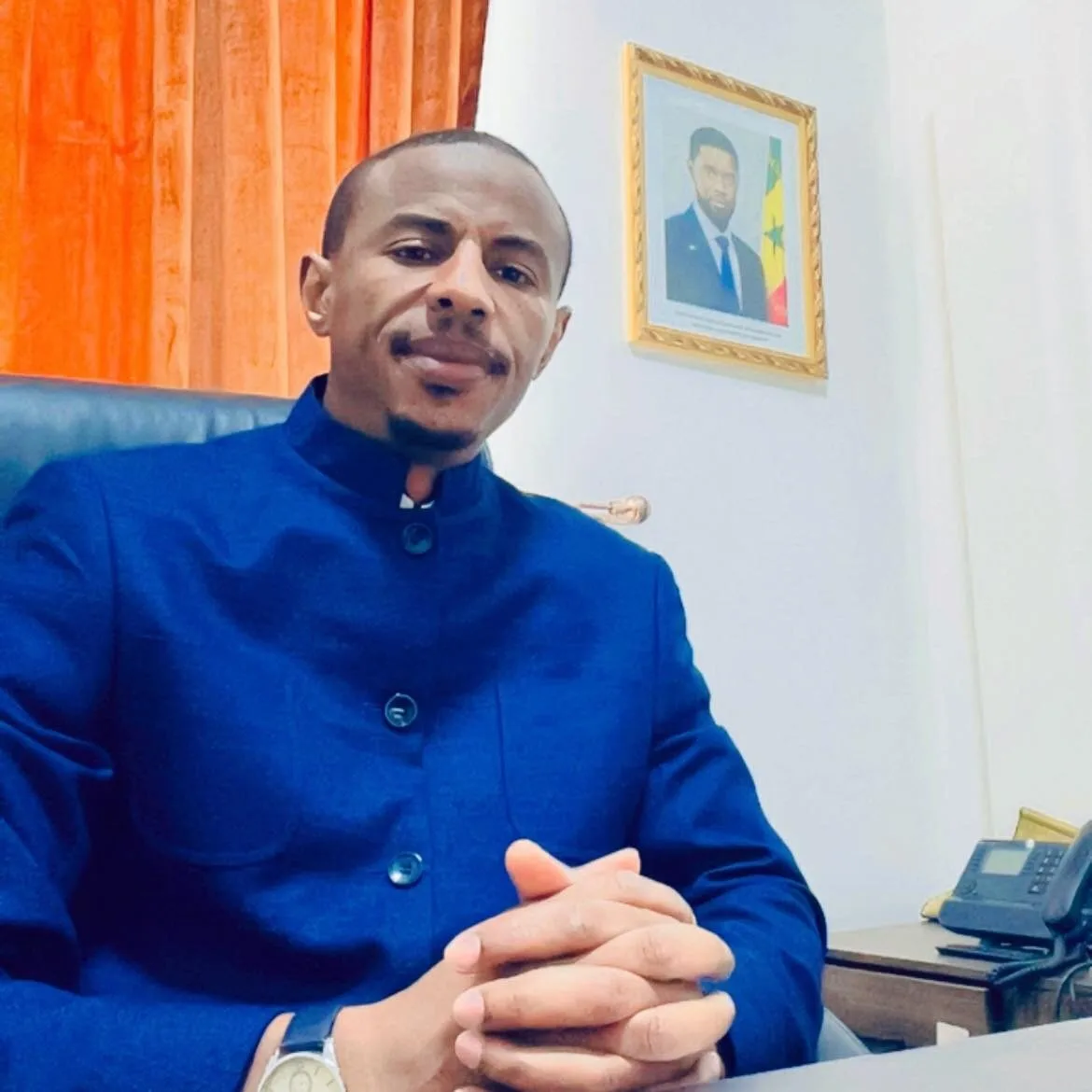
As the South African justice system prepares to rule on the fate of Kémi Séba—arrested in mid-April while attempting to enter Zimbabwe clandestinely—the writer and journalist Venance Konan questions whether the controversial activist, with his 1.5 million social media followers, truly embodies the spirit of modern panafricanism. This moment invites a deeper reflection on the movement’s evolution and its current contradictions.
The arrest of Kémi Séba, a Beninese activist with Nigerien diplomatic status, alongside his 18-year-old son and François Van der Merwe—a South African white supremacist nostalgic for apartheid—raises urgent questions about the true motivations behind modern panafricanist figures. While Séba heads the NGO “Urgences panafricanistes,” his reputation stems from fiery anti-French rhetoric, opposition to the franc CFA, and controversial statements that led to the loss of his French citizenship.
According to reports, Séba was attempting to enter Zimbabwe illegally, possibly en route to Europe. He faces charges in Benin for “apology for state security crimes and incitement to rebellion” after posting a video supporting soldiers involved in last December’s failed coup. An international arrest warrant has been issued against him.
Russian propaganda and support for Sahel dictatorships
Kémi Séba, Franklin Nyamsi, and Nathalie Yamb represent the most vocal voices of panafricanism in Francophone Africa. Yet their rhetoric often aligns with pro-Russian propaganda and support for the military juntas of the Alliance of Sahel States (AES)—Assimi Goïta in Mali, Ibrahim Traoré in Burkina Faso, and Abdourahamane Tiani in Niger. Does this new panafricanism equate to rejecting France only to embrace Russian dominance and authoritarian rule?
from anticolonial struggle to fractured nationalism
Panafricanism emerged in the early 20th century among Black intellectuals in the Americas and the Caribbean, later fueling anticolonial movements across Africa. Figures like Kwame Nkrumah of Ghana, Sekou Touré of Guinea, and Patrice Lumumba of Congo became icons of this struggle. The Federation of Black African Students in France (FEANF), founded in 1950, played a pivotal role in advocating for decolonization and continental unity. However, after independence swept through Africa in the 1960s, nationalist fragmentation took hold. Attempts at unity, such as the transformation of the Organization of African Unity (OAU) into the African Union (AU) under Libya’s Muammar Gaddafi, ultimately failed. The AU’s New Partnership for Africa’s Development (NEPAD) has also faded from prominence, leaving panafricanism as an ideal without tangible progress.
where are the true panafricanists?
Today, panafricanism is often invoked as a rhetorical tool rather than a lived reality. In Côte d’Ivoire, former president Laurent Gbagbo founded the Party of African Peoples-Côte d’Ivoire (PPA-CI), claiming a panafricanist identity. In Senegal, the ruling party is called the African Patriots of Senegal for Work, Ethics, and Fraternity (PASTEF). Yet in practice, African nations either persecute fellow Africans—such as in South Africa—or engage in political standoffs, as seen between Sahel states and their neighbors in the Economic Community of West African States (ECOWAS).
Where are the genuine panafricanists? Only a handful remain in the spotlight—Kémi Séba, Franklin Nyamsi, and Nathalie Yamb. All three have faced sanctions or lost citizenships due to their anti-Western, particularly anti-French, stances. They portray themselves as persecuted champions of African liberation. But where is the panafricanist spirit when they openly align with Russian interests or defend ruthless dictatorships that suppress freedoms and silence dissent?
According to leaked conversations, Séba has accused Nyamsi and Yamb of opportunism, suggesting they are now in the service of Faure Gnassingbé, the Togolese president. Séba himself has reportedly expressed regret over losing his French citizenship. In truth, this brand of panafricanism is hollow—a distorted echo of a once-noble ideal. Yet as global power dynamics shift and predators vie for influence, Africa faces a stark choice: unite swiftly or risk further fragmentation. The survival of the continent may well depend on a renewed, authentic panafricanism—one that transcends rhetoric and delivers real unity.