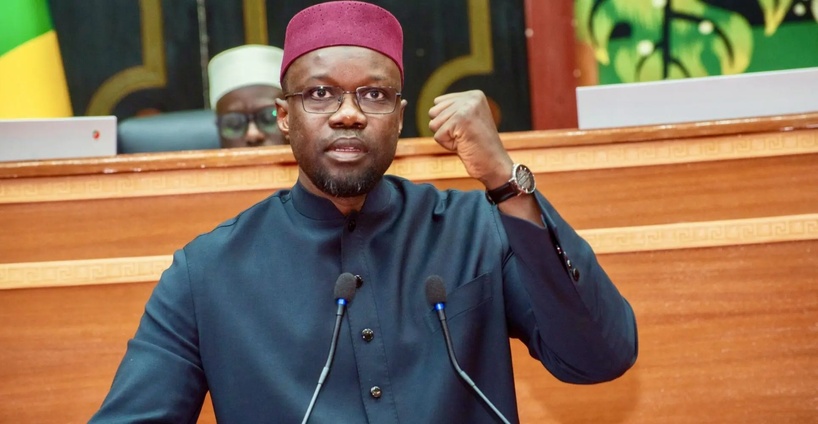
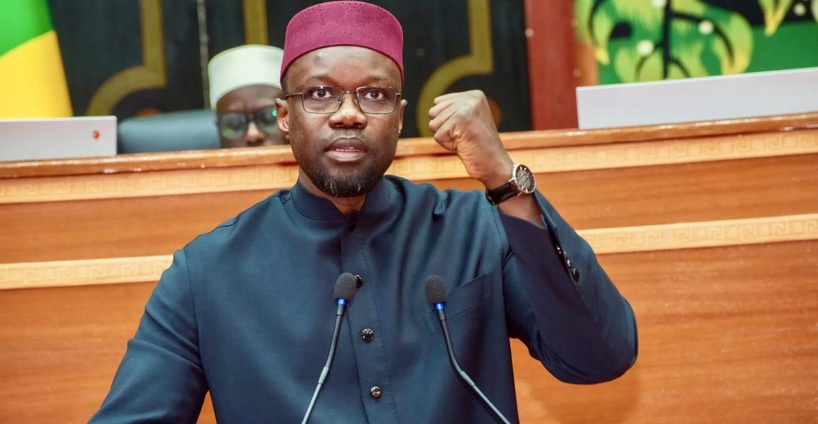
On Friday, at 10:00 GMT, Senegal’s Prime Minister Ousmane Sonko appeared before the National Assembly for a crucial session dedicated to current affairs and government accountability. This significant parliamentary engagement provided an opportunity to scrutinize the administration’s performance, delve into pressing macroeconomic concerns, and shed light on the prevailing political atmosphere.
This high-stakes encounter unfolded amidst a delicate political backdrop, notably shaped by ongoing discussions surrounding recent amendments to articles L.29 and L.30 of the Electoral Code. These legislative changes, impacting eligibility criteria and the review of civic rights, have ignited public discourse and remain a central point of contention. Following President Diomaye Faye’s adoption and promulgation of this law, opposition factions have consistently alleged that the parliamentary majority engineered a “tailor-made law” designed to ensure Sonko’s eligibility in 2029, despite the Prime Minister’s consistent declarations of his existing eligibility for all Senegalese elections.
Marking his fifth such parliamentary accountability exercise, the Prime Minister’s agenda also prominently featured issues directly affecting the daily lives of Senegalese citizens. Accompanied by his entire cabinet, Mr. Sonko was expected to address tangible concerns, particularly the escalating cost of living. Discussions focused on the specific measures implemented by the state to alleviate the prices of essential commodities and energy.
Furthermore, economic and financial matters were high on the agenda. This segment likely included updates on ongoing discussions with the International Monetary Fund (IMF), an assessment of the national economic recovery plan’s progress, and strategic preparations for the upcoming national budget.
Key sectoral priorities were also slated for discussion, encompassing family security grants, the progress of the current agricultural campaign, and the governmental support initiatives planned for the upcoming Tabaski celebration.
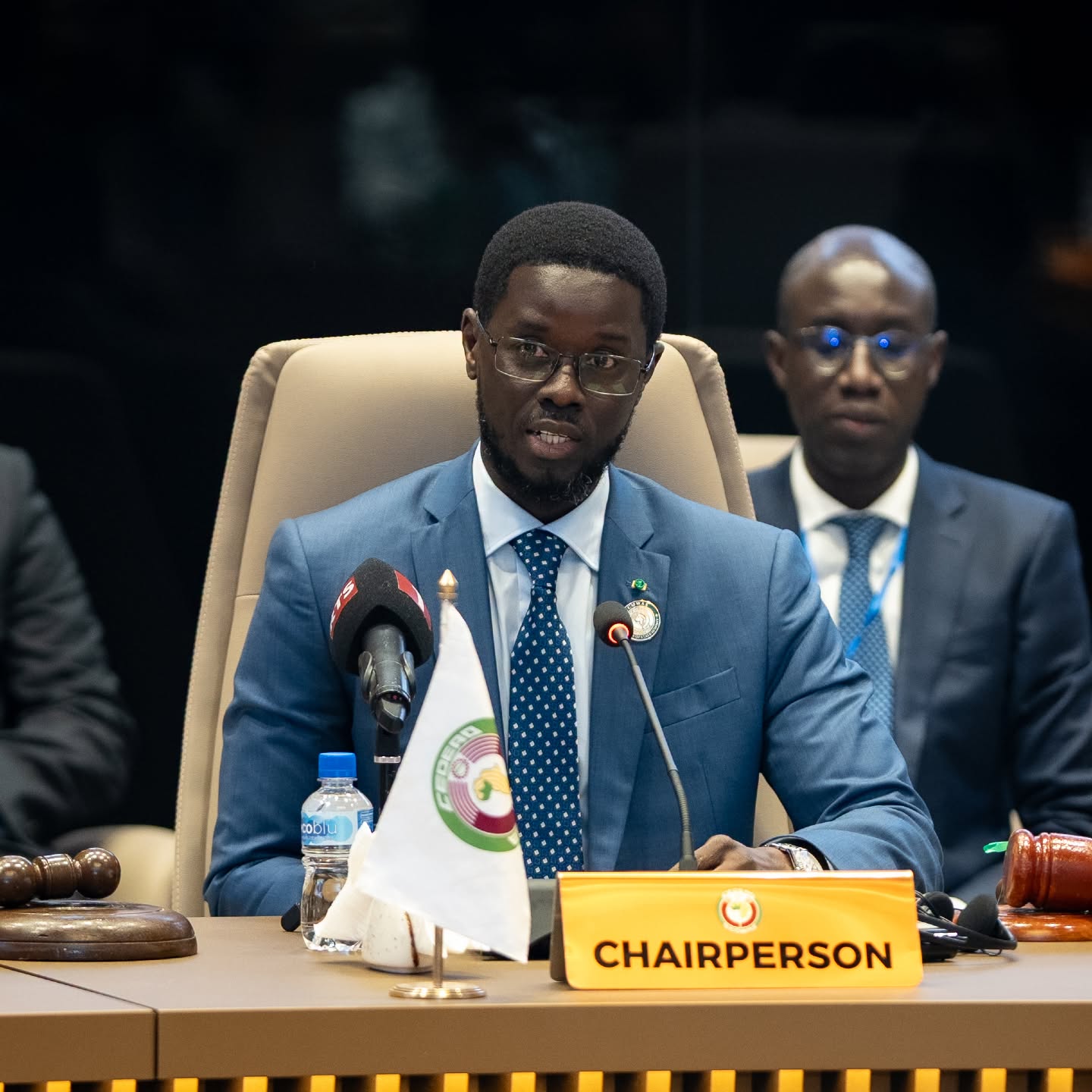
The dynamic between Prime Minister Sonko and President Diomaye Faye was another central theme of the parliamentary exchange, particularly within the political framework that Sonko has famously described as a “gentle cohabitation.”
This high-stakes encounter unfolded amidst a delicate political backdrop, notably shaped by ongoing discussions surrounding recent amendments to articles L.29 and L.30 of the Electoral Code. These legislative changes, impacting eligibility criteria and the review of civic rights, have ignited public discourse and remain a central point of contention. Following President Diomaye Faye’s adoption and promulgation of this law, opposition factions have consistently alleged that the parliamentary majority engineered a “tailor-made law” designed to ensure Sonko’s eligibility in 2029, despite the Prime Minister’s consistent declarations of his existing eligibility for all Senegalese elections.
Marking his fifth such parliamentary accountability exercise, the Prime Minister’s agenda also prominently featured issues directly affecting the daily lives of Senegalese citizens. Accompanied by his entire cabinet, Mr. Sonko was expected to address tangible concerns, particularly the escalating cost of living. Discussions focused on the specific measures implemented by the state to alleviate the prices of essential commodities and energy.
Furthermore, economic and financial matters were high on the agenda. This segment likely included updates on ongoing discussions with the International Monetary Fund (IMF), an assessment of the national economic recovery plan’s progress, and strategic preparations for the upcoming national budget.
Key sectoral priorities were also slated for discussion, encompassing family security grants, the progress of the current agricultural campaign, and the governmental support initiatives planned for the upcoming Tabaski celebration.
The dynamic between Prime Minister Sonko and President Diomaye Faye was another central theme of the parliamentary exchange, particularly within the political framework that Sonko has famously described as a “gentle cohabitation.”
Listen to this article2 min listen
Section feedCopy the feed link into your favourite RSS reader