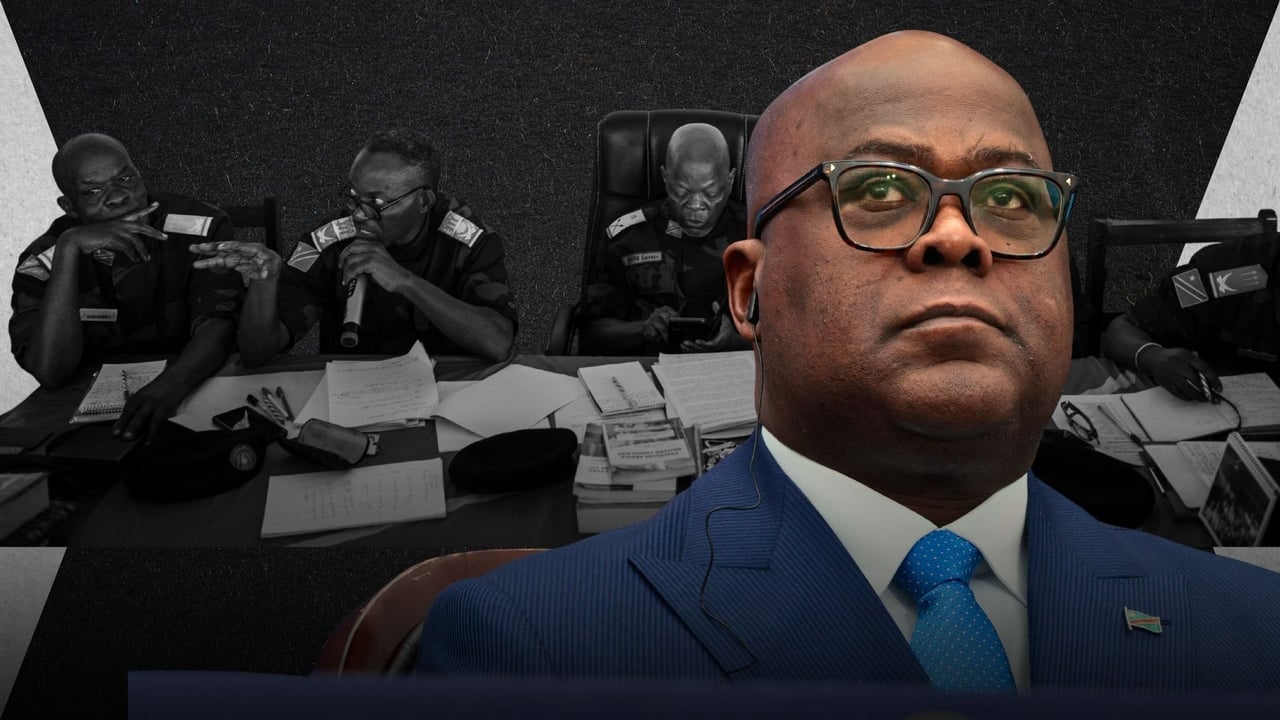
The Democratic Republic of Congo is once again grappling with the contentious issue of capital punishment, a subject that continues to spark intense debate across legal, ethical, and societal spheres. The reintroduction of this severe sanction has reignited discussions about justice, deterrence, and human rights within the country’s evolving legal framework.
Legal experts and policymakers are divided on the matter. Some argue that the death penalty serves as a powerful deterrent against heinous crimes, particularly those involving violence or corruption. Others, however, emphasize its irrevocability and the risk of wrongful convictions, pointing to flaws in the justice system that could lead to irreversible miscarriages of justice.
Historical Context and Legal Reforms
Capital punishment was officially abolished in the Democratic Republic of Congo in 2003, marking a shift toward aligning the nation’s laws with international human rights standards. The move was hailed by advocates as a progressive step toward a more humane justice system. However, recent legislative developments have raised questions about whether the country is reconsidering this stance.
Proponents of the death penalty often cite the need for stronger measures to combat rising crime rates and corruption, particularly in urban centers like Kinshasa. Critics, however, warn that reinstating such a punishment could undermine the country’s efforts to build a fair and transparent judicial system, potentially setting back years of progress.
Public Opinion and Political Pressures
The debate has extended beyond legal circles, with public opinion playing a significant role in shaping the discourse. Many citizens, frustrated by persistent insecurity and corruption, view the death penalty as a necessary tool to restore order and accountability. Meanwhile, human rights organizations and activists continue to advocate for abolition, emphasizing the importance of protecting fundamental rights and ensuring due process.
Political leaders are caught in the middle of this polarizing issue. Some have expressed support for revisiting the death penalty, while others remain cautious, highlighting the need for broader societal consensus before any legal changes are made. The tension between public demand for justice and the principles of human rights remains a defining challenge for the Democratic Republic of Congo’s leadership.
Challenges to Implementation
Even if the death penalty were to be reinstated, its practical application would face significant hurdles. The country’s judicial system, still recovering from decades of conflict and instability, struggles with inefficiencies, corruption, and limited resources. Ensuring fair trials and avoiding wrongful executions would require substantial reforms, raising doubts about the feasibility of such a policy in the near future.
For now, the debate rages on, with no clear resolution in sight. As the nation weighs the moral, legal, and practical implications of capital punishment, the outcome could have far-reaching consequences for its justice system and international standing.