As American voters head to the polls for the critical midterm elections, Donald Trump has authorized fresh military strikes against Iranian targets in the Strait of Hormuz. The operation, launched just days before the vote, risks deepening political divisions and fueling voter discontent over economic pressures.
Last-minute military action fuels election uncertainty
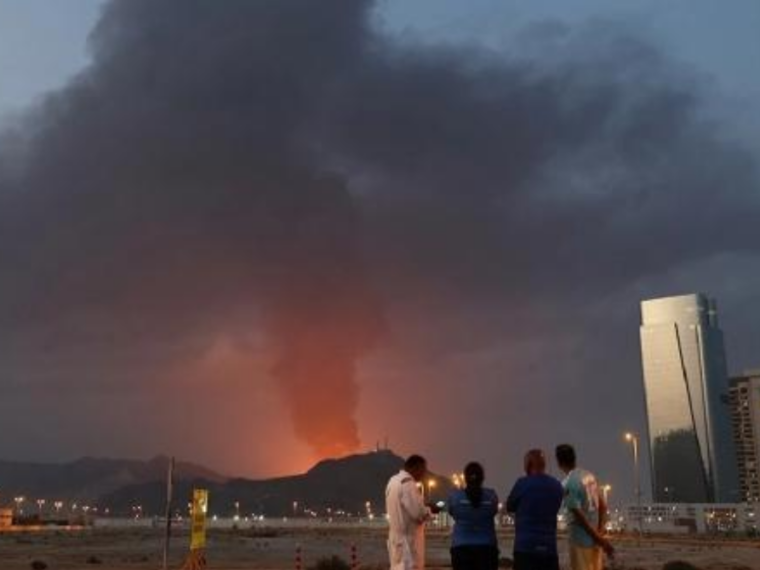
With ballots set to open in just hours, Washington confirmed air strikes on Qeshm Island on November 2, targeting Iranian military positions. The administration framed the operation as a defensive response to ongoing threats, yet the timing raises immediate questions about its strategic purpose.
Only days earlier, Trump had publicly dismissed the prospect of conflict escalation before the vote. The sudden shift—amidst reported optimism about potential diplomatic breakthroughs—has handed opponents fresh ammunition to challenge his foreign policy credibility.
The Strait of Hormuz: where geopolitics meets voter wallets
The strategic waterway, a chokepoint for global oil transit, has become a flashpoint in the Iran conflict. Any disruption here sends ripples through energy markets, driving up gasoline prices—a sensitive issue for American households already grappling with inflation.
Polling data from late summer revealed only 31% of Americans supported the war effort, while 63% opposed it. Voters increasingly view military spending as a distraction from domestic priorities like healthcare and economic stability.
Energy markets brace for impact
Each escalation raises the specter of supply shocks. The Strait of Hormuz handles nearly 20% of the world’s daily oil supply, meaning even limited conflict risks triggering price spikes. For Trump’s electoral base, already squeezed by rising costs, this could translate to more than just campaign rhetoric—it could directly influence voting behavior.
Republican divisions: a gamble that may backfire
While some voters applaud military aggression, others within the GOP fear prolonged conflict could drain resources and erode public support. Internal debates have reportedly pressured the White House to delay operations until after the elections, but escalating tensions on the ground have overridden those considerations.
A Republican defeat could give Democrats new tools to scrutinize military spending, probe presidential decisions, and challenge Trump’s foreign policy approach. The political stakes extend beyond November—the midterms could reshape America’s global posture for years to come.
Elections 2024: will voters reward force or punish consequences?
The Qeshm strikes won’t single-handedly decide the midterms, but they intensify the broader debate over Trump’s leadership. Americans face a stark choice: endorse a commander-in-chief willing to take bold military action, or reject a strategy that prioritizes confrontation over economic relief.
As counting begins, the question lingers: did Trump’s Hormuz gamble shore up his base—or did it cross a line that cost Republicans dearly?