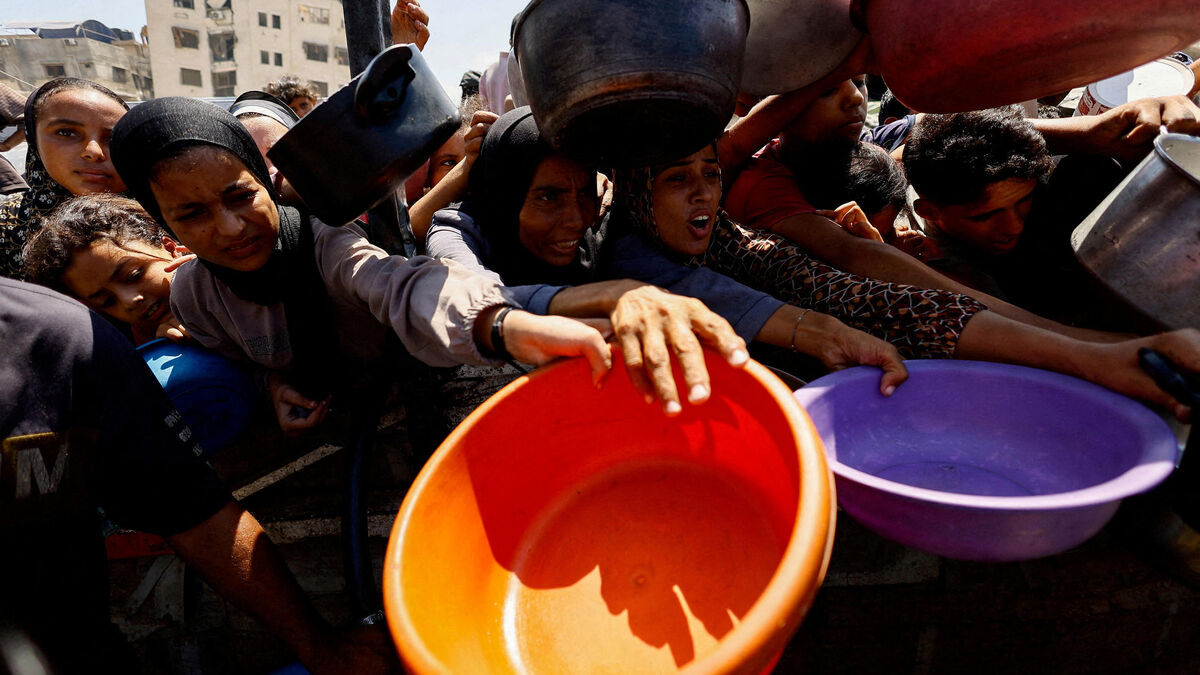
Millions of additional people worldwide could soon be facing starvation or the extreme risk of famine. This dire warning comes from two United Nations agencies focused on food and agriculture, highlighting a crisis exacerbated by a significant decline in international funding.
A joint report by the Food and Agriculture Organization (FAO) and the World Food Programme (WFP) indicates that acute food insecurity is intensifying across 16 critical hotspots globally. The situation is reaching a breaking point in several territories where the threat of mass hunger is no longer a distant possibility but an immediate danger.
Countries at the highest risk of catastrophic famine
According to the UN findings, nations such as Haïti, Mali, Palestine, Soudan du Sud, Soudan, and Yémen are at the top of the danger list. In these regions, populations are currently confronting the imminent threat of a catastrophic food crisis that could claim countless lives without intervention.
Alarming trends in Birmanie, Nigeria, and beyond
The report also categorizes several other nations as being in a “highly concerning” state. This list includes Afghanistan, the République démocratique du Congo, Birmanie, Nigeria, Somalie, and Syrie. Furthermore, the UN identifies Burkina Faso, Tchad, and Kenya as critical zones, along with the precarious situation of Rohingya refugees currently seeking safety in Bangladesh.
The FAO and WFP, both headquartered in Rome, issued a joint statement explaining that “armed conflicts, economic instability, extreme weather patterns, and a critical lack of financial resources” are worsening already fragile conditions.
Humanitarian assistance pushed to the breaking point
The report sounds a loud alarm regarding the “dangerously insufficient” funding for humanitarian efforts. Of the $29 billion required to support these vulnerable populations, only $10.5 billion has been secured so far. This massive shortfall has pushed food aid for refugees to the brink of collapse.
The WFP has already been forced to scale back its support for refugees and displaced persons due to these budget cuts. In several countries, school feeding programs have been suspended, leaving children without essential nutrition. Simultaneously, the FAO warns that efforts to protect agricultural livelihoods are failing, stressing the urgent need for funds to provide seeds and veterinary services to farmers.
Cindy McCain, the Executive Director of the WFP, cautioned that the world is facing a “completely preventable food disaster” that threatens to trigger widespread famine. She emphasized that failing to act now will only lead to further global instability. Echoing this sentiment, FAO Director-General Qu Dongyu reminded the international community that preventing famine is not just a moral obligation but a “wise investment” in long-term peace and security.