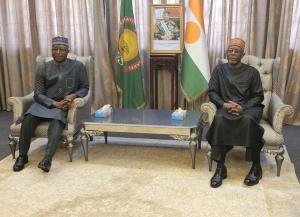
Dr Jean Baptiste Nikiema officially begins role as WHO Representative in Niger
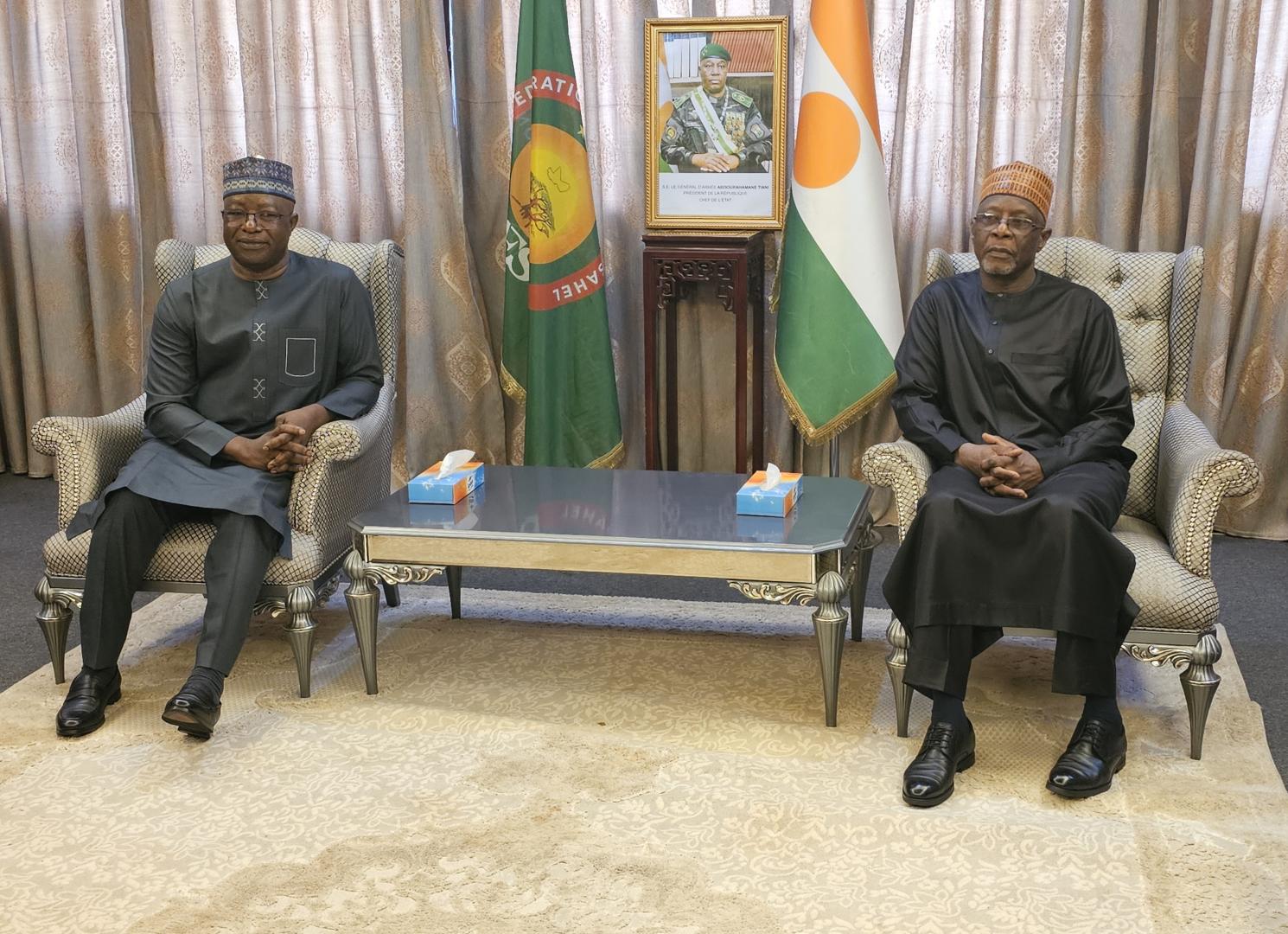
Niamey, November 12, 2025 — Dr Jean Baptiste Nikiema has formally assumed his duties as the new Resident Representative of the World Health Organization (WHO) in Niger. The handover ceremony took place at the office of the Nigerien Minister of Foreign Affairs, International Cooperation and Nigeriens Abroad, His Excellency Bakary Yaou Sangaré. The event was attended by senior WHO staff in Niger and members of the Minister’s cabinet, highlighting the strong partnership between the WHO and Niger.
Following the presentation of his credentials and a warm welcome, Dr Nikiema was granted an audience with the Minister, during which critical health priorities for Niger, Africa, and the global community were discussed. The Minister emphasized the WHO’s role as a technical advisor and secretariat for member states, stressing that enhanced collaboration is essential to strengthening Niger’s health system and improving the well-being of its population.
Key cooperation areas identified for future action
The discussions covered several vital health sectors where the WHO and Niger are poised to collaborate closely:
- Expanding access to primary healthcare services
- Strengthening the national health system
- Improving maternal and child health outcomes
- Promoting health through better management of health determinants
- Enhancing disease surveillance and response
- Strengthening emergency health preparedness and response
Dr Nikiema praised Niger’s leadership in advancing public health, particularly in reducing childhood mortality through vaccination, lowering maternal and perinatal mortality rates, eliminating onchocerciasis (river blindness), and responding effectively to disease outbreaks. The meeting also addressed the financial challenges facing WHO operations, with Dr Nikiema expressing appreciation for the Government of Niger’s support through the Minister of Health. He commended efforts to mobilize local resources, digitize health services, and expand telemedicine initiatives.
A distinguished health leader with decades of experience
Dr Nikiema brings more than thirty years of experience in public health and health diplomacy to his new role. His expertise spans multiple domains, including:
- Development of new therapeutic approaches (preclinical and clinical research in molecular biology, phytochemistry, pharmacognosy, pharmacology, and medicinal plants)
- Health policy formulation
- Universal health coverage strategies
- Health system resilience
- Emergency health management
His professional journey includes leadership positions such as Director General of Pharmacy, Medicines, and Laboratories in Burkina Faso, Head of a university department, President of the Board of the Muraz Centre, and Regional Advisor for Medicines and Health Products at the WHO Regional Office for Africa. He also served as Deputy Representative of the WHO in the Democratic Republic of the Congo, where he played a key role in managing health crises related to epidemics, population displacement, and natural disasters.
Major achievements in health leadership
Dr Nikiema’s contributions include the establishment of the African Medicines Agency, fostering local production of medicines and health products, strengthening pharmaceutical regulatory systems, and coordinating pooled procurement for small African island states—efforts that have delivered significant cost savings.
Beyond his administrative roles, he has mentored over fifty doctoral students in pharmacy and medicine and supervised ten master’s students in public health. As author or co-author of more than fifty scientific publications, his work has advanced knowledge in health policy, pharmacology, and health system resilience.
A vision for Niger’s health sovereignty
Fluent in French and English, Dr Nikiema is recognized for his strategic leadership, risk management capabilities, and resource mobilization skills. His priorities in Niger include supporting the country’s health sovereignty, aligning interventions with national health priorities, improving operational efficiency, and strengthening partnerships to secure additional funding—all while respecting Niger’s strategic choices and national sovereignty in health matters.